
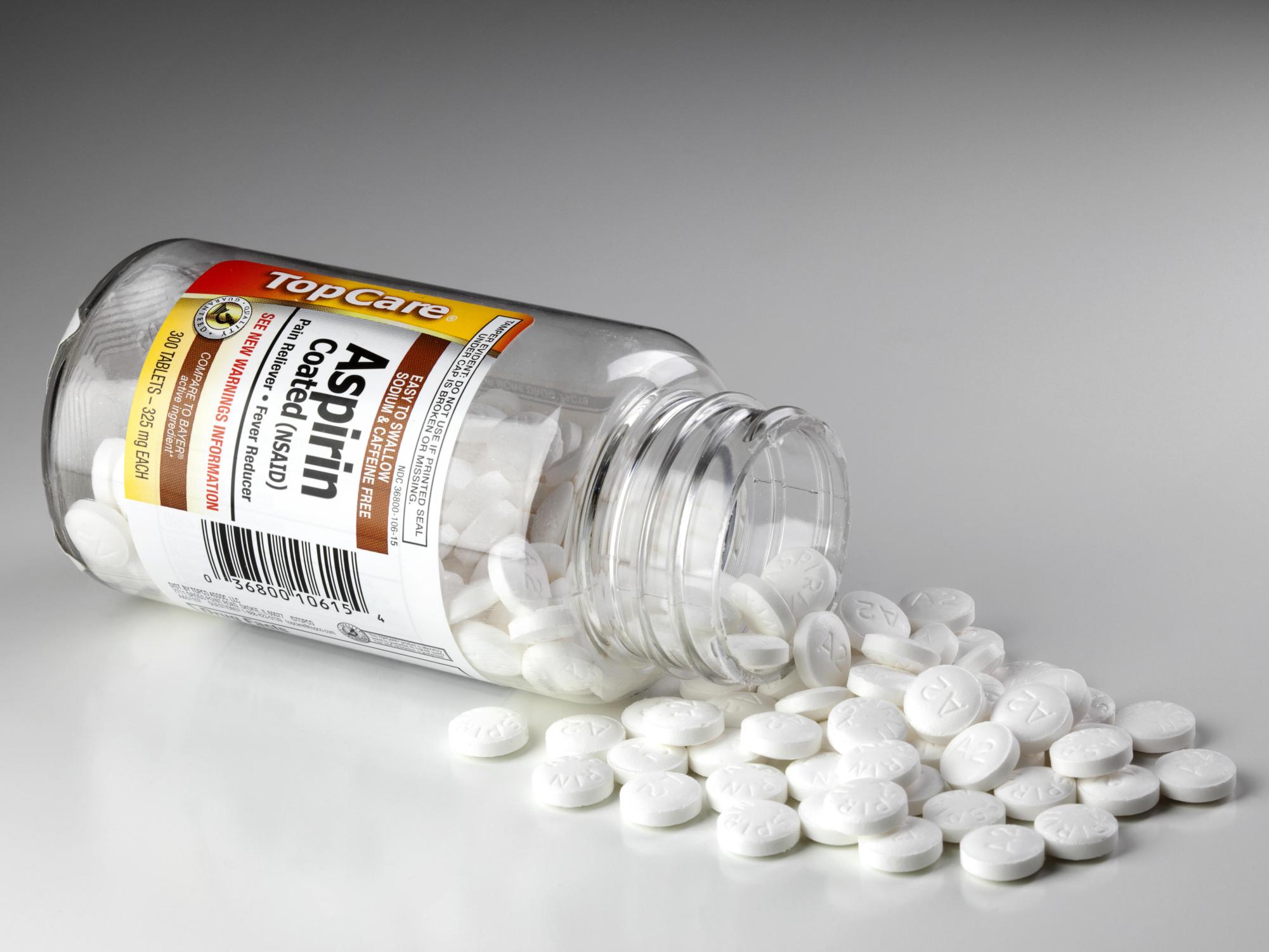
A recent study has overcome scientific obstacles: acetylsalicylic acid, more commonly known as aspirin, has been tested to reduce the risk of colorectal cancer by half. While the connection may seem positive, the research remains inconclusive and will still require more time to be adequately established in the medical literature. This area of investigation is an active one, with ongoing studies being conducted.
Aspirin is a common over-the-counter medication used to treat fever, pain, and inflammation, providing temporary relief for mild to moderate pain. With this in mind, it’s also used to prevent the production of blood clots and swelling, potentially reducing the risk of heart attacks. Aspirin has shown a connection with cancer, with its effects being primarily linked to its ability to inhibit prostaglandin synthesis, playing a vital role in cancer development.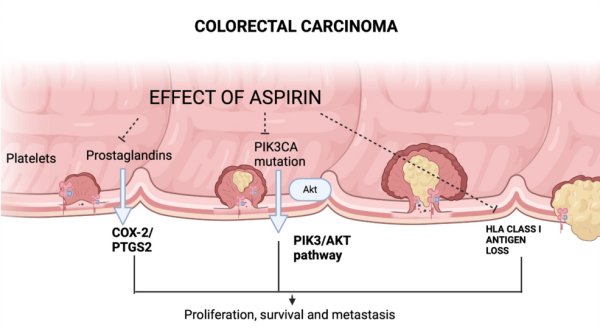
Colorectal cancer is a growth of cells located in the digestive tract; these cells can come back as noncancerous, benign masses called polyps. These factors can depend on the size, location of the polyps, and the extent to which the cancer has spread. These might be linked to a typical Western diet, amongst other factors that could be possible.
Aspirin affects colorectal cancer by targeting specific enzymes, the Cyclooxygenase enzymes, COX-1 and COX-2. These specific enzymes accelerate the formation of prostaglandins, thromboxane, and leukotrienes. Prostaglandins are hormones that affect pain, inflammation, and uterine contractions. Thromboxane is a substance that can lead to the blocking of blood vessels by forming blood clots inside the vascular system. Levaglandins are covalent proteins that cannot change. Aspirin’s ability to inhibit certain enzymes, especially COX-2, provides a strong biochemical foundation for its anti-colorectal cancer chemotherapy-preventing and therapeutic benefits.
Beyond prevention, aspirin may also improve outcomes for individuals already diagnosed with colorectal cancer. Studies suggest it can reduce the risk of recurrence and metastasis, and potentially improve survival rates, especially in tumors that express COX-2. These enzymes are involved in the production of prostaglandins, which can promote inflammation and cell growth, which contributes to tumor growth and progression.
Now, as you read this article, I’m hoping that you aren’t thinking of taking aspirin every day. This is to examine the medical discovery of aspirin being linked to cancer, but aspirin use is not without risks. Potential adverse side effects include gastrointestinal bleeding and ulcers. However, the decision to use aspirin for colorectal cancer prevention or treatment should be made by consulting with a healthcare professional, weighing the individual’s risk factors and potential benefits.
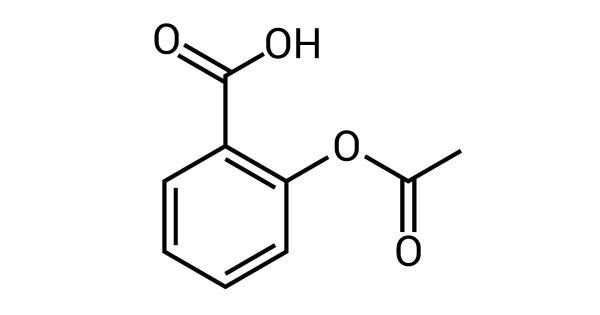
Regular, low-dose aspirin use has been associated with a significant reduction in colorectal cancer, particularly in individuals with specific genetic susceptibilities. This protective effect appears to be cumulative, meaning that a longer duration of use may offer a greater benefit.
Another way aspirin can help the human body fight the recurrence of cancer is by starving tumors and limiting the time it takes for them to metastasize, or spread. This helps inhibit angiogenesis, the process by which new blood vessels form.
According to the University of Cambridge, scientists discovered how aspirin could impact cancer by stimulating the immune system. Another study, published on March 5, 2025, states that aspirin prevents cancer by limiting the production of blood platelet TXA₂. While numerous health benefits are expected in the future, the current results are insufficient but are likely to improve with further research.
Aspirin has been shown to play a promising role in both preventing and potentially treating colorectal cancer by modulating inflammatory pathways, although its use requires careful consideration of individual health.