
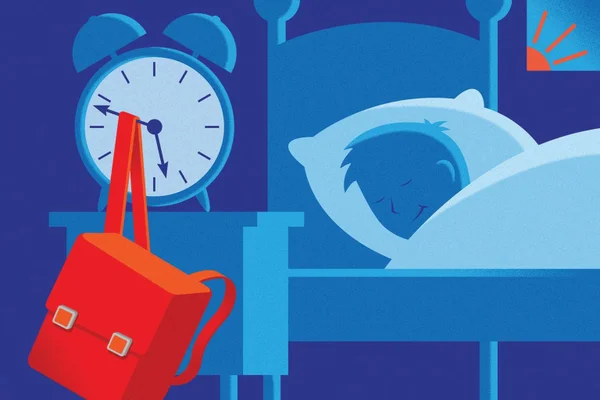
The human body operates on sleep, defined by Merriam-Webster as “the natural, easily reversible periodic state of many living things that is marked by the absence of wakefulness and by the loss of consciousness of one’s surroundings, is accompanied by a typical body posture of lying down,” pauses brain activity with the unpatterned occurrence of dreaming. According to most public online sources, sleep plays a vital role in good health and well-being throughout your life.
These aspects and the needs of human life are greatly essential, especially for the still-developing human body. As teenagers, a crucial part of how our quotidian performance is based on the structure of our sleep, even if it does not seem like it. So many of us lie awake at night, hours after claiming the lie of “I’m heading to bed,” only to result in doom scrolls on devices, binge watching television shows, cramming last-minute studying materials for exams, or obsessing over social media controversies involving famous people whom they don’t know.
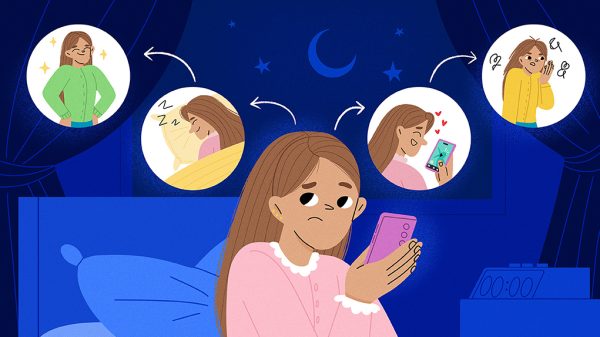
To fight the brutal battle of consciousness loss early in the morning or later throughout the day, teenagers have normalized high caffeine intake. While for the majority this isn’t necessarily harmful if people remain cautious about how much they consume and still monitor their sleep schedule, too much of it can be damaging, with even permanent issues, such as raising their caffeine tolerance to the point where it no longer works. The problem is how much this has been systematized; the illusion and lie that teenagers or even adults have been fed is the belief that less sleep equals more productivity. Truth be told, the effects of sleep are the exact opposite of their initial goal.
For students, especially those who uphold high academic standards, sleep is a biological necessity that directly supports physical growth, immune function, and daily energy. A proper amount of rest can allow the body to repair wounds, manage hormones, and refresh the brain. In academic life, sleep strengthens the mind as well, helping improve concentration, focus, and advanced critical thinking skills. Overall, for the physical body, sleep is the main repair system that allows our body to reset after a day of stress or high pressure.

Of course, sleep is beneficial not only for the human body but also for the mental health of children. NSF study showed that nearly seven out of ten teens who are dissatisfied with their sleep also reported elevated depressive symptoms. Adequate sleep is indispensable for building emotional resilience and stability, which can greatly assist in overcoming some of the mental challenges they may experience during adolescence.
According to an article written by Chaamy Yapa from the Healthy Cunty organization, “Sleep is used to rejuvenate the body and support overall health, including cognitive function and immune strength. It is one of the most important things we can do to maintain our well-being. Many vital biological processes occur throughout a full night’s sleep.” It is one of the biggest reasons our bodies can function throughout the day; a feat that caffeine and the false myth that less sleep equals more productivity cannot meet.
Beginning a healthier sleep schedule is simple in steps, but difficult to execute. The best way to start is to manage your time better while studying. If entertainment is your barrier, remove anything that distracts you from the bedroom. Additionally, it’s important to sleep with a calm mind; sleep is vital, and your resting point, and stress will only hinder your recovery.