
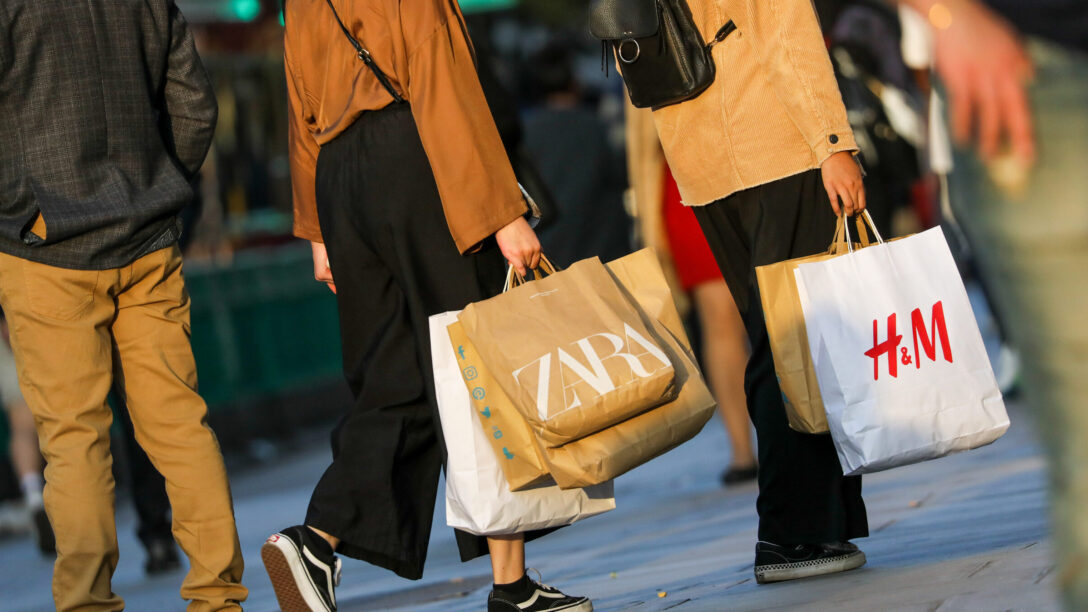
Trendy clothes are cheaper and easier to buy than ever before. Stores like Shein, H&M, and Zara release hundreds of new styles every week at very low prices. This business model is called “fast fashion.” Fast fashion focuses on quickly making large amounts of clothing to match the latest trends. While these low prices may seem appealing, fast fashion has serious effects on the environment and on workers around the world. One major problem with fast fashion is the damage it causes to the environment. Clothing  factories use huge amounts of water, energy, and chemicals to produce clothes quickly.
According to the United Nations Environment Program, the fashion industry accounts for around 10% of global carbon emissions, more than international flights and shipping combined. Factories also release harmful chemicals into rivers and oceans, polluting water sources that many communities depend on. Fast fashion also creates massive amounts of waste. Many people buy cheap clothes, wear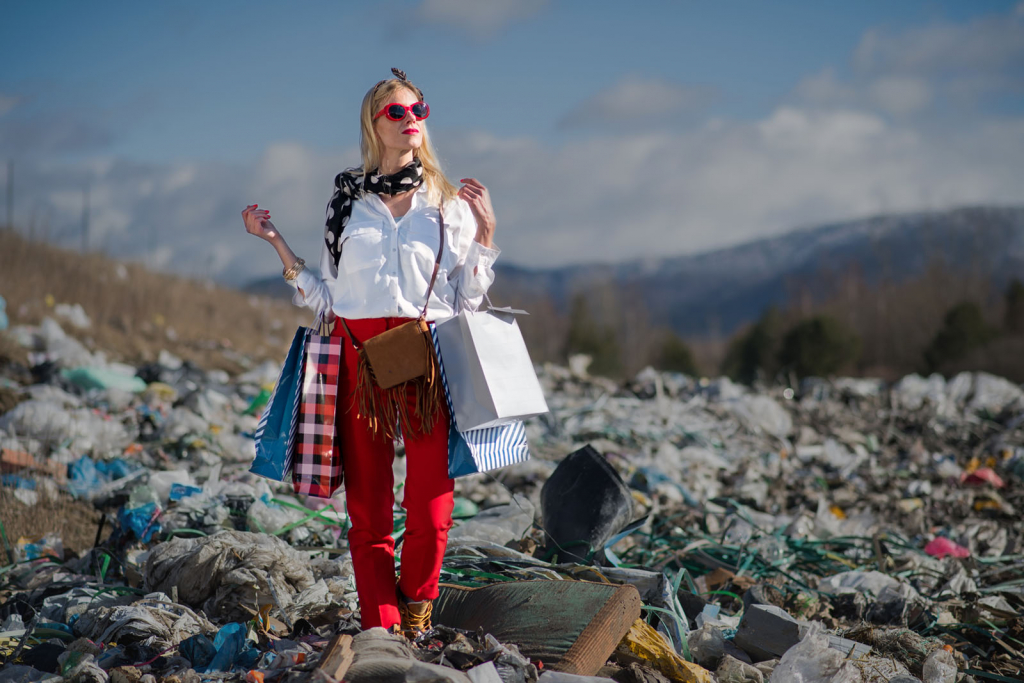
They only do it a few times and then throw them away. Since trends change so quickly, clothing is often treated as disposable instead of something made to last. Millions of tons of clothing end up
in landfills every year. Synthetic materials such as polyester can take hundreds of years to break down, and they release tiny plastic fibers called microplastics into the environment. These plastics can harm animals and even enter human food and water supplies.
Another serious issue is how workers are treated in fast fashion factories. Many clothing companies produce their items in countries where labor is cheap. Workers are often paid very low wages and may work long hours in unsafe conditions. In some factories, workers are expected to meet impossible production goals with little time to rest. Child labor has also been connected to parts of the fashion supply chain in some countries.
One tragic example of unsafe working conditions happened in 2013 with the Rana Plaza Collapse in Bangladesh. The factory building collapsed while thousands of workers were inside making clothes for major brands. More than 1,100 people died, and many others were injured. This disaster shocked the world and drew attention to the dangers garment workers face. Although some improvements have been made in science since then, many workers still struggle
with poor conditions today.
Fast fashion also affects consumers directly. Social media influencers and online advertisements constantly encourage people to buy more clothes to stay trendy. This creates pressure, especially among teenagers, to keep up with changing styles. As a result, many people spend money on clothes they do not really need. Fast fashion promotes a culture of
overconsumption instead of encouraging people to value quality and sustainability. However, there are ways consumers can help reduce the negative effects of fast fashion.
People can buy fewer clothes, shop at thrift stores, repair old clothing, or support brands that focus on ethical and sustainable production. Some companies are beginning to use recycled materials and improve factory conditions. Even small choices, like wearing clothes longer or avoiding impulse purchases, can make a difference.
Fast fashion may offer cheap and trendy clothing, but the true cost is much higher than the price tag. The industry harms the environment, creates unsafe working conditions, and encourages wasteful habits. By becoming more aware of where clothing comes from and how it is made, consumers can make smarter choices and help create a more responsible fashion industry.