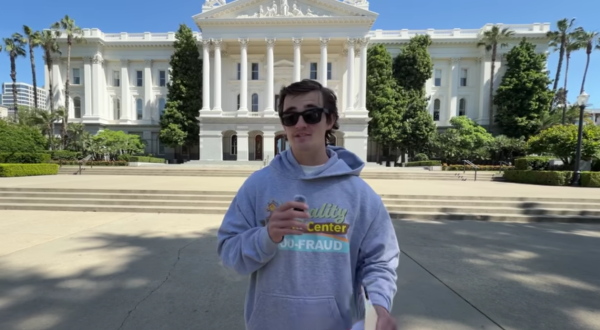
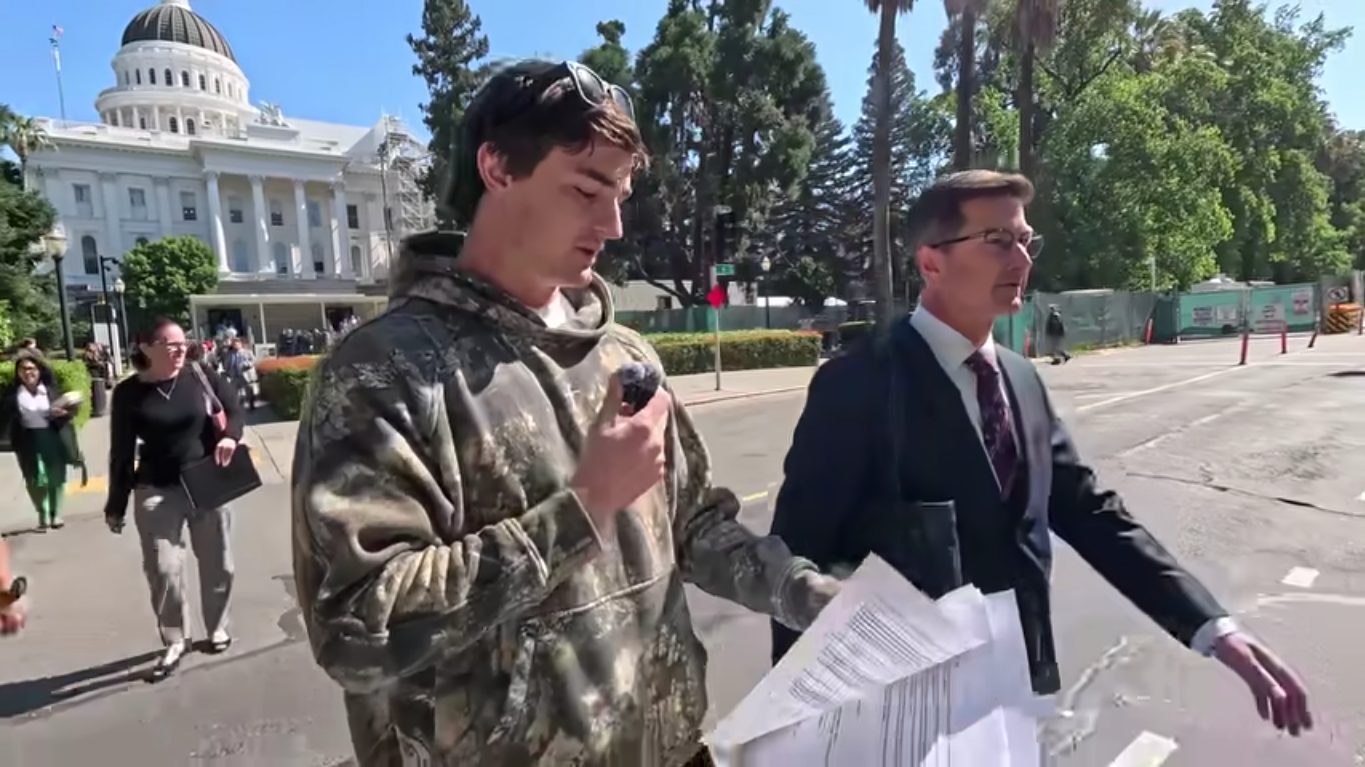
Across America, debates about free speech, journalism, and government accountability have become more serious than ever. In California, those debates have grown beyond traditional news stations and newspapers. Today, independent reporters and social media investigators are reaching millions of people by covering stories they believe are ignored. Many creators use platforms such as YouTube and TikTok to investigate fraud, question political leaders, and bring attention to issues that larger media organizations may overlook. However, some critics now argue that these investigators should face stricter legal limitations. One example is the controversial proposal often referred to online as the “Stop Nick Shirley Act.”
Nick Shirley is known for producing investigative-style videos that focus on interviews, public interactions, and controversial social issues. Supporters view his work as an example of independent journalism that gives ordinary people access to stories not covered by mainstream media. Critics, however, argue that certain investigative creators sometimes go too far while recording people in public or confronting individuals involved in controversial situations. Because of this debate, proposals connected to restricting these activities have gained attention online and in political discussions.
While supporters of these regulations claim they are necessary for public safety and privacy, there is also growing concern that laws targeting investigators could accidentally criminalize legitimate journalism. Investigative reporting had always played an important role in American society. Journalists expose corruption, reveal fraud, and hold powerful institutions accountable. Without the freedom to investigate, many important truths would never reach the public. The First Amendment protects freedom of speech and freedom of the press because America recognizes that open discussion and public criticism are necessary in a democracy.
Independent journalism has become especially important in the digital age. Social media has enabled smaller creators to report on issues without relying on large corporations or television networks. Some of the biggest political and social conversations in recent years have started online through independent reporting. Restricting these voices too heavily could create fear among journalists, content creators, and even students interested in political reporting. If investigators worry about being punished simply for documenting public events or asking difficult questions, fewer people may be willing to speak out about important issues.
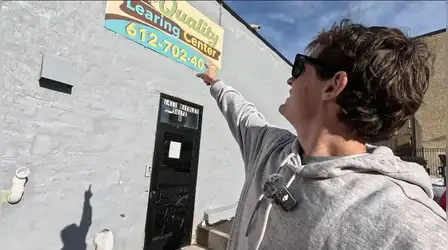 As a student journalist myself, I believe it is extremely important to share information about politics and public issues without unnecessary restrictions. Journalism should not exist only for major media companies. Students, independent reporters, and everyday citizens should also have the opportunity to investigate stories and inform the public. The ability to question authority and discuss controversial topics openly is one of the foundations of free speech. While ethical journalism and respect for privacy are important, laws should be carefully drafted so they do not silence legitimate investigations or discourage people from seeking the truth.
Of course, there should still be limits when someone truly harasses or threatens others. Public safety and personal privacy matter. However, there is a major difference between criminal harassment and lawful separation; the two could damage free expression and create confusion about what journalists are legally allowed to do. History has shown that once governments begin restricting speech and investigation, it becomes easier for important information to remain hidden from the public.
In the end, protecting investigative journalism means protecting the public’s right to know. Whether reporting comes from a major news station or an independent creator with a camera, truth should never become something people are afraid to pursue. As students, journalists, and citizens, people should continue to defend free speech and support responsible investigative reporting. A society that values truth must also value the freedom to investigate and share it.