The Beginning: How Malls Came To Be
After World War II, suburbs became increasingly prevalent across the United States. Cities took up more land, leading most citizens to buy cars rather than rely on public transportation. In turn, the demand for cars led to the expansion of cities and suburbs. This vicious cycle eventually died down when environmental factors came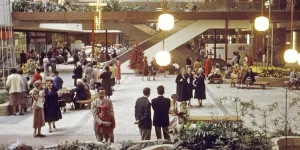 into play. As a result, several establishments were exploring ways to expand their business locations to attract more customers continually. Eventually, the concept of ‘The Mall’ was created. The idea was to consolidate a multitude of franchises into a single, large brick-and-mortar store, allowing thousands of people to visit daily. This would attract the most foot traffic to stores without requiring the construction of a single building for each one. Comfort later took effect to entice consumers to stay longer and lounge in between shopping sprees. This comfort came in the form of benches, luxury chairs, food courts, and more. The owners of these malls continually evolved their buildings to meet shoppers’ needs better.
Golden Age: When Malls Ruled American Culture
The evolution of ‘The Mall’ hit its peak from the late 1980s to the early 2000s. In the 80s, they became a  staple in the United States, serving as a hotspot for all ages to pass the time, extending beyond the current selection of stores. The advancements expanded beyond comfort and necessity, ultimately delving into entertainment values and wow factors. The Mall of America is a good example of this. They implemented events, live entertainment, amusement park elements, and the most prominent storefronts in America. The 2000s continued the development of elaborate marketplaces to better cater to individuals’ needs and wants, even for things they didn’t know they wanted. This prime period lasted until the 2008 recession struck. The financial crisis was due to risky loans, which displaced citizens from their homes and jobs, rising interest rates, and declining property values. This meant that the mall’s shoppers and employees decreased significantly, leaving the once-central spot almost entirely deserted.
The Fall: Online Shopping Takeover
The aftermath of the recession left malls in a state of abandonment. Although many still shop in them today, they are less intricate and have begun to regress in the rapid progression they once had. Malls are being replaced by parking lots or housing infrastructure to undo what the 2008 recession did to the housing market, aside from the vast population increase. Recently, the local Corona Mall on Sixth Street has shut down and is currently being demolished to make way for a ‘new and improved’ shopping center. They’re disbanding from all major brands and focusing on local vendors. This development contradicts the original concepts of malls from the 1950s. Other malls that are not being destroyed are severely underpopulated; many individuals report that their local malls are completely deserted or mostly shut down. This reversion could ultimately lead to the destruction of all malls and major condensed shopping centers. This downfall is also related to the rise in online shopping and fast fashion. People order their wants and needs online, eliminating the need to go out and explore what was once the prime of malls.