Shutdown Puts Student Aid and School Services at Risk
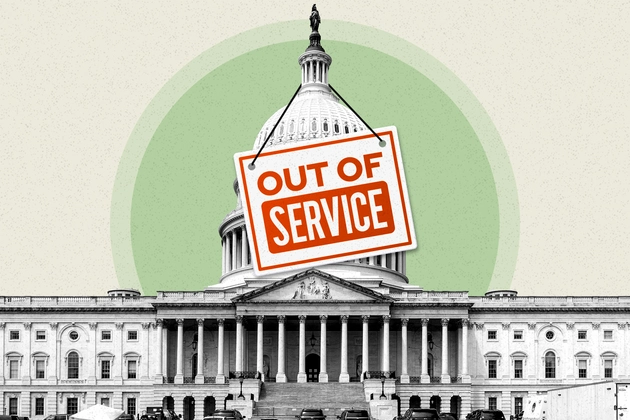
The current federal government shutdown in the U.S., which began on October 1, 2025, is creating worry for children, families, and school districts. The National Conference of State Legislatures (NCSL) reports that while required programs continue under backup plans, the shutdown has already halted several optional funding programs. Many other responsibilities are deferred while the necessary education programs, such as grant disbursements, continue to operate. The longer the government shutdown lasts, the greater the risk to local education systems.
Financial Aid is still running, but Under Pressure
Federal student aid programs such as Pell Grants and Direct Federal Loans remain available. They aren’t being affected by the shutdown, according to a memo from the California Community Colleges Chancellor’s Office. However, linked benefits like CalFresh for students may be delayed, and assistance offices may have less space, according to the same memo and other sources. This indicates that student aid’s support systems remain vulnerable to disruptions in staffing and administrative operations.
On October 1, the U.S. The Department of Education’s Federal Student Aid office released guidelines outlining operations during the funding delay and encouraging borrowers to keep making payments and to contract with their service providers. This advice emphasizes that administrative support and processing services may experience delays, even if direct Aid may still be provided.
K-12 Schools Feel the Strain
The consequences are more immediate for many K-12 school systems that are dependent on federal assistance. According to the Associated Press, operations like after-school meals and construction projects have been reduced or delayed in districts like Arizona’s Chinle Unified School District, which received about half of its funding from Federal Impact Aid Programs.
While many K-12 programs are forward-funded and may continue temporarily, new funding has been paused, and specific programs face abrupt stops, according to a comprehensive PDF briefing from School State Finance. For California districts, this means even free school programs and enrichment grant programs could be paused if the shutdown continues.
Food Assistance Becomes More Difficult
Programs such as food assistance are also under pressure outside the classroom. According to the California memo, student benefit programs such as CalFresh/SNAP may experience delays until November if funding does not resume. Generally,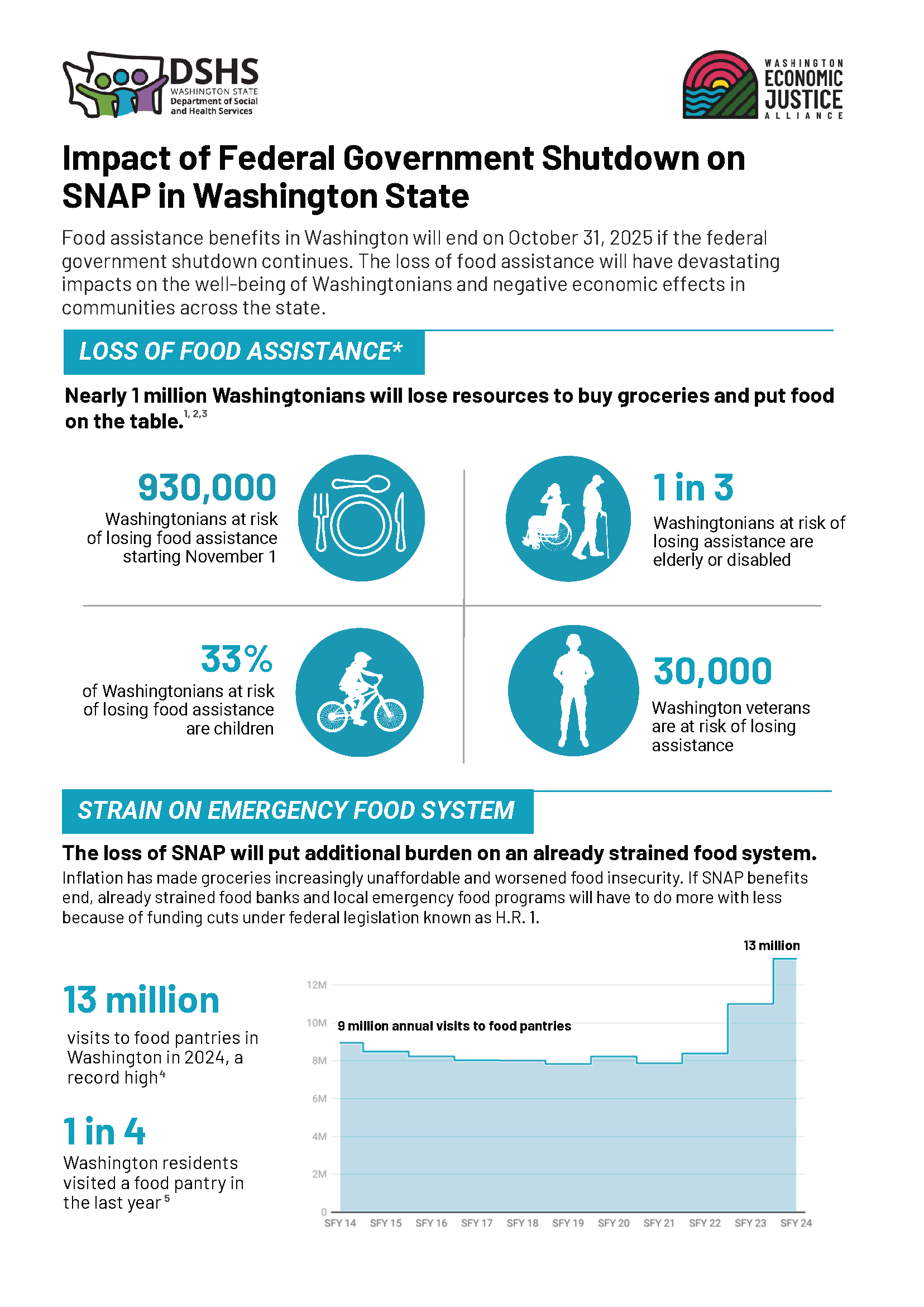 the NCSL page notes that because SNAP benefits and other social safety net programs are primarily funded by discretionary appropriations, they are susceptible to budget cuts.
Why This Shutdown Matters for Students
Although this political event may not affect your area, the shutdown could delay financial aid decisions, reduce school funding, and create uncertainty for food programs that many students rely on. These effects are real; they affect college decisions, family-school experiences, and the ability to meet basic needs.
What Families Should Do Now
Consult your school’s financial assistance office for any updates. Grants and loans may be processed more slowly. If your family qualifies for SNAP or CalFresh, look for assistance from a local food bank. Check whether your district has any backup plans in case federal funding is delayed.
Bottom Line
This closure affects much more than just Washington’s government buildings. It affects the lives of families, teachers, and students. The sooner funding is restored, the fewer interruptions schools and students will experience.