
Across the United States in early 2025, increased ICE enforcement has reshaped daily life for many immigrant families. Fear of deportation is changing how people move through their communities, affecting everything from school attendance to local business activity. ICE enforcement is disrupting daily life in our community, affecting families, schools, and local businesses. We must understand that these impacts of the immigration policy affect each of our beloved Hispanic/Latin people, who are at risk of being deported.
Families Daily Activities Disruption
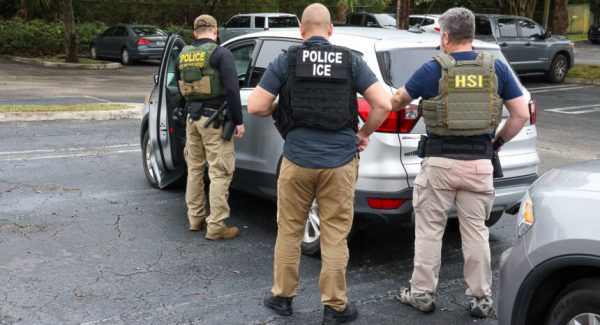 One of the most significant effects of ICE enforcement is the disruption of families’ daily activities. Many parents are now avoiding work because they fear traveling far from home may expose them to unmarked ICE vehicles. This causes parents to miss shifts, lose income, and face financial crises. Some families had decided to stop driving or to stay at home to avoid being exposed to ICE. Parents have also been avoiding their “household duties,” such as grocery shopping and taking their kids to appointments, and these decisions have already impacted their children’s lives. Their children’s attendance has started to suffer when rumors about ICE sightings spread. Parents have always protected their children since birth, because they have unconditional love and care for them. Parents start to feel these anxious feelings when they hear any ICE rumors, and those feelings make them decide to keep their children safe at home, even if they will affect their child’s academic progress.
Local Businesses Falling
Another effect of ICE enforcement is the disruption of local businesses. Local businesses have a strong dependence on community collaboration. When families choose to limit their public activities, such as going out to eat or shopping, vendors see fewer customers. It’s heartbreaking for our local businesses to start having sales decline, and companies struggle to keep up with operating costs. Without businesses operating, suppliers and employees are also being deeply affected. Workplaces face challenges from employees changing shifts or seeking routes to stay safe. An effect of this is that employers are dealing with staffing shortages, slower productivity, and increased workplace stress. According to KFF, it states that “Mass deportations also could negatively impact the U.S. economy and workforce, given the role immigrants play, particularly in certain industries, including health care.” With all of these ICE deportations, it’s hard for local businesses to keep on growing.
Fear has begun to overwhelm many families, changing how they live their daily lives. Families have been avoiding public places where they once felt comfortable going or gathering. These avoidance behaviors are reducing neighbors from connecting and building relationships. Fear has become common to the point that it’s affecting mental health. Chronic stress is increasing, and it’s among children who worry about family separation. They have seen or heard about families being separated on social media. The American Immigration Council states that “When students are too afraid to go to school or are too distracted by the threat of family separation to focus, their education suffers.” Every video from social media connected with deportation has been creating anxiety, which, unfortunately, is leading to poor academic performance.
 Even with these challenges, communities are finding ways to support one another. Churches and nonprofits at the beginning of the year have been providing “know your rights” training and handouts for people to carry in their wallets or purses. The school has offered children a stable and reassuring environment for students affected by these deportations. All of these efforts by the community can build through any challenging times.
ICE enforcement impacts more than immigration status, it reshapes family routines, school attendance, and the health of local businesses. These challenges remind us how deeply policy affects people’s lives. Supporting immigrant families is not just an act of kindness but a commitment to the strength of our whole community.