2025 has been the year of Artificial Intelligence, with apps like ChatGPT, Perplexity, and others gaining significant popularity. People are increasingly using AI for everything from writing emails to giving medical advice, and the advancements are coming rapidly. AI is getting so good that many people are asking whether it will take over some  jobs. This would make more sense, so companies wouldn’t have to pay more employees than they have, but what would happen to employment rates because of this?
Safe jobs
Although AI is becoming very advanced, specific jobs require genuine empathy and emotion that only humans can provide. AI struggles with traits such as emotional intelligence, creativity, ethics, judgment, and adaptability. This will 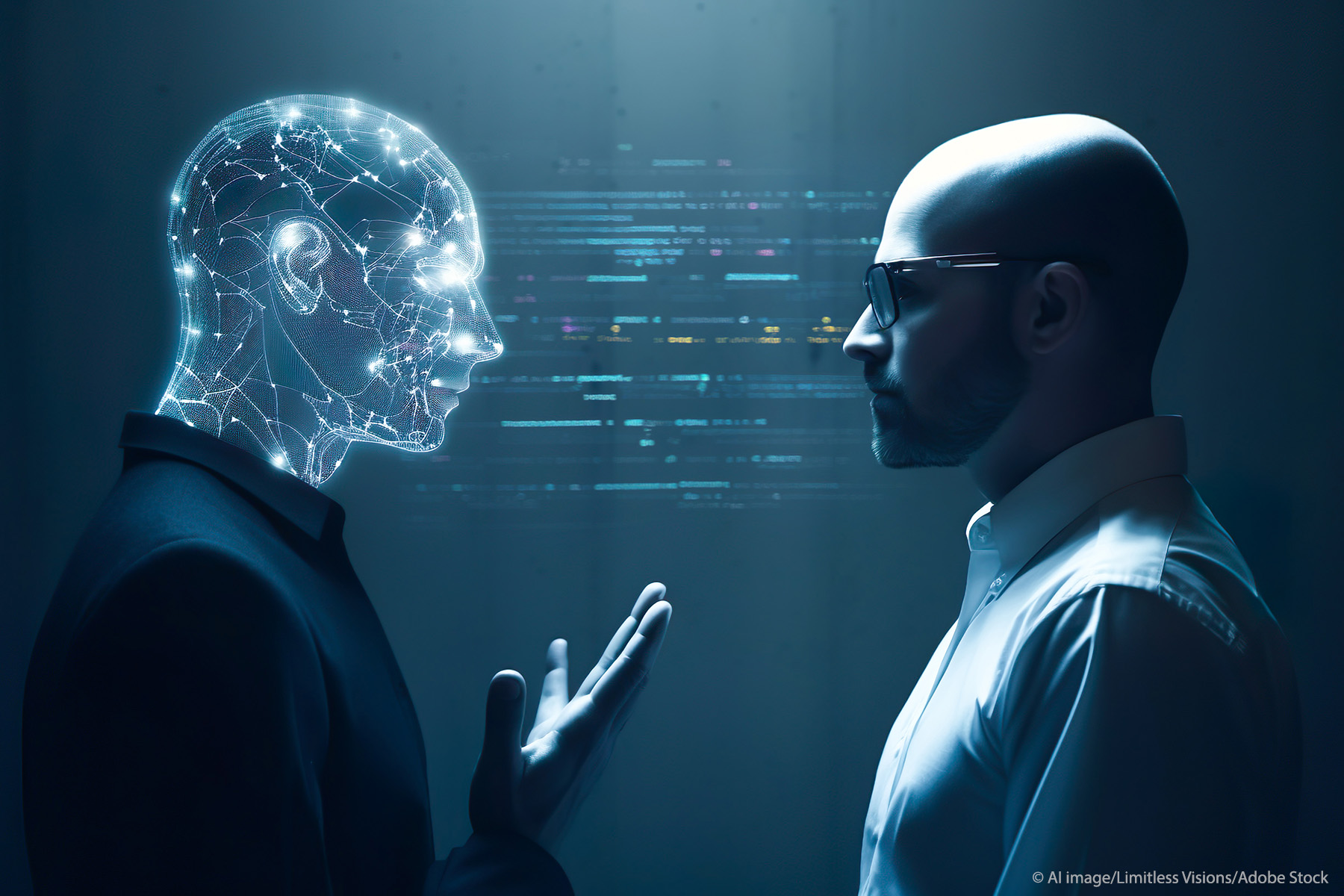 keep jobs like healthcare professionals, educators, social workers, writers, and psychologists safe. Specifically, jobs like nurses, doctors, therapists, teachers, counselors, and child welfare caseworkers rely on human judgment and understanding. Jobs like customer service, manufacturing, and office work are likely to be automated because they don’t require personality.
Employment Concerns?
AI has already taken over jobs like Data Entry and reception systems; it is only a matter of time until other jobs start to go. According to the Department of Economic and Social Affairs, “Economists predict that AI could displace millions of workers, raising concerns about future employment rates.” The human population is expected to increase by 18% by 2050, which raises concerns about what our workforce and unemployment rate will look like. People with higher education are less likely to be impacted by the new ways AI is helping out our society, not just because these jobs are highly ranked, but because they require complex decision-making. People with higher education are less likely to be replaced because higher education leads to higher-ranked jobs that require human responsibility. Although AI is capable of taking over many areas, humans are more reliable and can take responsibility if something goes wrong. For example, if a medical AI system misdiagnoses a patient, a doctor can be held accountable; an algorithm cannot.
Responsibility Aspect
To go more in depth on why specific jobs will not be replaced, responsibility and the handling of intense emotions are the main contributors. This is especially true in the medical field, given the significant responsibility medical care professionals have. Some people in the medical field have literal lives in their hands daily. If an AI system made a diagnostic error, no one could be held legally responsible.
AI Combatting Emotional Intelligence
The emotional aspect of health care arises when people pass away, and doctors often have to break the news to family  members. AI is not programmed to handle emotions this way, and even if it were, humans would always be more genuine than a robot. Sometimes, another person can do more by showing compassion, empathy, and emotion.
Safety and Social Work
Social workers also have a significant responsibility, especially in ensuring that children have a safe place to live. It is imperative that people retain this job and not delegate it to artificial intelligence, given the emotional aspect of this role. Intuition is also a compelling thing that all humans have. Whether it is a bad feeling or simply noticing minor irregularities, humans are more reliable at getting children to a safe environment. Gavin de Becker, security specialist and author of The Gift of Fear, backs up this claim by saying, “Intuition is always right in at least two important ways; it is always in response to something, it always has your best interest at heart.”
Concluding Thoughts
AI will continue to reshape the workforce, but it cannot replace the human qualities essential to many professions. Jobs that rely on empathy and responsibility will remain important no matter how advanced artificial intelligence becomes.