How many parents believe their teens on social media are thoroughly protected by their privacy settings? How can their safety be assured by just these settings alone?
In 2025, 97% of U.S teens reported that they spent time on the internet daily, according to those aged 13 to 17 who were surveyed by the Pew Research Center.
The Increase and the Initiative
Dependence on social media is common among a wide range of age groups. With teenagers having the highest overall usage rate in 2023, the vast majority of surveyed teens used YouTube, TikTok, Snapchat, and Instagram.
In light of its expanding popularity and younger audiences, apps like Instagram took the initiative throughout 2025 to strengthen overall engagement. Noticeable layout changes were made, and posting features were modified. Steps were evidently being taken to also tighten privacy and security settings for users aged 13 to 17, by adding Teen Accounts.
The “Promise” 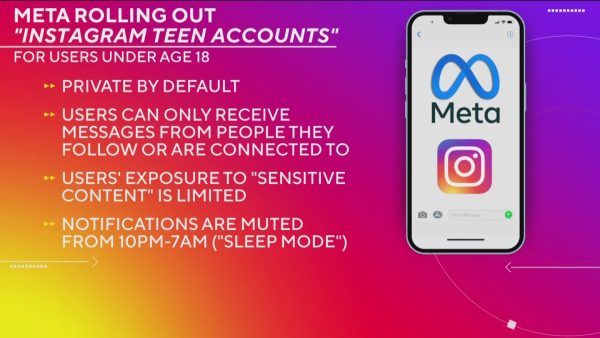
Meta promised greater parental controls and the automatic filtering of all content that users under 18 can view, protecting them from posts and communities that contain inappropriate or dangerous content. Essentially, Meta ensured a “Peace of Mind” for parents curious about their teenagers’ online activity.
But Arturo Béjar, a designer for social media safety features, denied the efficiency of Meta’s benefits. The now ex-worker for Meta (a company that also owns Facebook and Messenger), tested the benefits and found that two-thirds of the safety tools were ineffective. Furthermore, in Béjar’s sharply written report on “Teen Accounts’ Broken Promises”, he declared that 30 out of the 47 safety features were either no longer available or “substantially ineffective”.
 On November 7, 2023, he had also testified as a witness against his former employee in court and referred to the Bad Experiences and Encounters Framework, or “BEEF”. The “BEEF” survey results, covering 237,000 users, revealed that in July of 2021, 19.2% of underaged users on the platform had been exposed to inappropriate content in the previous week. And reported that when he attempted to raise concerns with higher-ups, including Zuckerberg and Adam Mosseri, two CEOs of Instagram, he was dismissed.
Béjar argued conclusively that Meta was giving parents a “deceptive sense of safety” for their children and that they deserve to know of the severity of harm that their kids are experiencing while online.
Problems Arise from the Promise
Meta’s safety tools provided by Teen Accounts were intended to prevent dangerous conversations with strangers, as people who did not already follow the teen account could not message them directly. But this restriction was tested in early 2025 and proved false. Béjar even found that teens can easily access adult accounts, and that once they were followed, messaging became much easier.
He claimed that teens were even rewarded for messaging discreetly, through the “Disappearing Messages” feature, also known as Vanish Mode, that displays animated emojis across the screen once it is enabled. And a feature like this made users more “vulnerable to predation” and directly unsafe.
Furthermore, in Béjar’s “Teen Accounts’ Broken Promises”, his research suggested flaws in almost all areas of Meta’s features designed for youth safety. With 54% of the features no longer available, 25% offering protections with limitations, and only 21% of those features working as advertised. That’s only 5 safety features.
He found no evidence that Meta took action to address these issues on their platforms. So, how secure really is the app, especially for underage users, if these things are the case?
Does TikTok Offer Anything better? 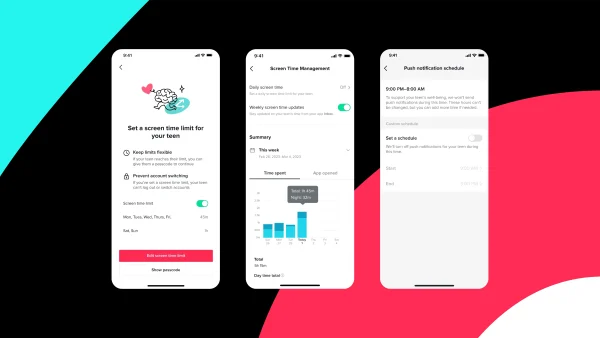
TikTok launched a 2020 Family Pairing feature that allowed parents to monitor their kids’ activity as well, ensuring they have a safe and positive online experience.
Through these features, the parent can monitor everything from posts to account interactions and even block them. The owner of a teen account can request to unblock specific accounts, but this can only be granted with parental permission.
Stephen Balkam, the Founder and Ceo of the Family Online Safety Institute, quoted on the matter, “The blocking feature is a critical one,” “I think it’s a very empowering thing for teens to have their own tools to block and to report, as well as for parents to have the ability to do so as well.”
The Other Side
While these features do exist, journalist Edward Herbert wrote about the damages to mental health that teens still face because of the app’s lack of restrictions, like its addictive “influencer culture”, exposure to dangerous topics like body images, harm, and unrealistic lifestyles. Aside from this, the endless content almost always leads to “doomscrolling”. The most commonly discussed issue on TikTok is the ineffective age verification, which directly puts all users at higher risk of harmful exposure.
Is Snapchat Safer? 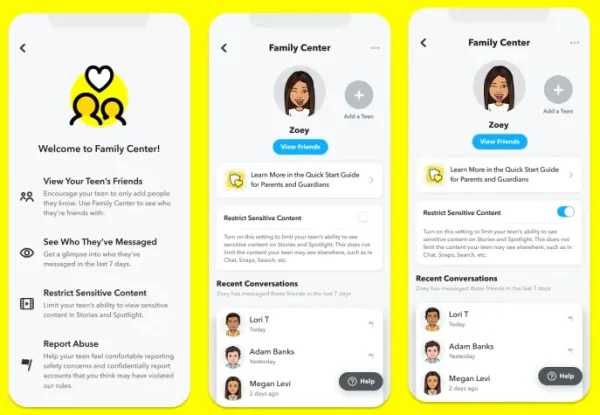
Snapchat also has default settings for users aged 13 to 17, which journalist Richie Koch emphasizes already make the majority of the app secure, but its privacy policies still collect tons of data. Locations, “Metadata”, contacts, discover views, and AI interactions are all tracked, and he claims the app uses this data to improve engagement. Engagement is increased by its addictive features, such as the temporary chat and the discover tab, which promote crazes and trends, including “unrealistic standards”.
 YouTube, on the other hand, is handling restrictions differently, protecting young users by implementing restricted mode for mature content, dedicating “YouTube Kids” to even younger audiences (under 13), and blocking unwanted content through Google’s Family Link feature. And while this YouTube Kids Digital Parent Safety Guide acknowledges that “there is currently no way to make the content on YouTube Kids 100% safe or appropriate,” it also states that YouTube has made significant improvements to content filters. In final assurance, the very “robust parental controls” that do exist help make YouTube Kids a generally safe place for children to browse.
What Comes Next: Is There a Solution?
While it is undoubtedly a serious concern when flawed security settings are identified, especially on popular social media platforms that claim to be safe, what can be done becomes inevitable.
But parents can always approach their children to explain the potential dangers of the apps they are using. Because large platforms tend to slip through the cracks, it is crucial to take advantage of available security settings and to browse the web carefully.
Negative experiences while on social media can still be easily prevented. Unknown interactions can be blocked, ignored, and even discussed with a trusted adult when necessary. Positive routines can be created to regulate screen time so that negative habits do not arise.