Introduction
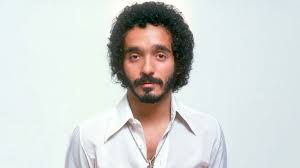
On February 21, 2026, the salsa legend Willie Colon passed away at the age of 75 in New York. His family had announced his death on Facebook, but didn’t provide the details of the cause of his death, nor did they give any public information about his final words. Willie Colon wasn’t just a legendary music artist; he was also a bandleader, composer, arranger, and trombonist. He changed people’s view on music and what it could be, and though he lived a long life, his death has been tragic for his family, friends, and fans. In honor of his memory and his existence, this article will be dedicated to his accomplishments and achievements, and how he became one of the most influential music artists.
 The history of Willie Colon
Willie Colon was born in the South Bronx on April 28, 1950, and was raised by his grandmother, who encouraged and supported his dream of becoming the world’s biggest performer and composer, and who signed him up for tutoring. Colon showed outstanding talent and ability on the trombone, and as he reached his teens, he began working professionally in music. When he turned sixteen, he signed a recording contract. At the age of seventeen, he released his first album for a new upstart indie record label called Fania Records. The music was a mix of rock, R&B, and jazz, combined with mambos and cha-cha-cha. It was nothing of the sort that anyone had done or thought of doing before, and because of that, people were wary at first when they heard this new piece of music. And yet, it became popular among young Nuyoricans who were looking for something to hang their identity on. Two years later, after the Nuyoricans had confronted Colon, he recruited vocalist Ruben Blades to join his band. This time, the music addressed social issues the two musicians were experiencing, leading up to their album “Siembra,” released in 1978 and instantly a hit. Even to this day, it is considered one of the best watermarks of Salsa, and this is where Colon’s entire life and future changed for him.
Willie’s cultural impact
Willie Colon wasn’t just a guy who played the instrument and sang alluring music; he was also the leader of the Latino community in New York and beyond. Back in the 60s and 70s, he used his music to tell people to embrace their cultures and identity, while digging deeper into what was happening on the streets. He embraced the ‘bad boy’ image, but did it show the world that every person has a voice deep within them that deserves to be heard, and their identity is important. By mixing traditional tropical sounds with New York jazz and grit, he helped create a sense of identity not only for his people but for everyone who listened to his music. He even got involved in politics and activism, proving that artists have the power to speak up for themselves and their people, and to push for change that deserves recognition. Because of this, Willie Colon was a well-respected man and changed the way people viewed things.

Why he matters today
Even though the salsa explosion peaked years ago, Colon’s influence is still all over the music we listen to today. People can still hear his tough style and bold brass arrangements combined in a modern technique. Many of today’s biggest stars look up to him because he was a music artist who wasn’t afraid to offend those who would react in anger or pity. Instead, he focused on the people he knew needed to hear his words and experimented with different sounds that encouraged others to do the same. In 2021, Colon had come to a motor home accident that almost took his life, and it was a huge wake-up call for the music industry that reminded everyone how fragile we human beings are and how, in the snap of a finger, our lives could be taken away just like that. It was a lesson we should learn: appreciate our legends while they are still alive. He matters even now after his death because he represents resilience, survival, and love, and became a symbol of pride for the Latino community.
Conclusion
In conclusion, Willie Colon wasn’t just a musician or salsa legend; he was a man who had been through thick and thin, never backed down from what he believed, supported it, and instead embraced it for others, changing the way the world hears Latin music. Even though he has passed away, his legacy will be set in stone and will never be pushed down or away. Whether you were or are a long-time fan or just discovering his music now, it’s clear he will always be one of the most important figures in music history who has ever lived.