
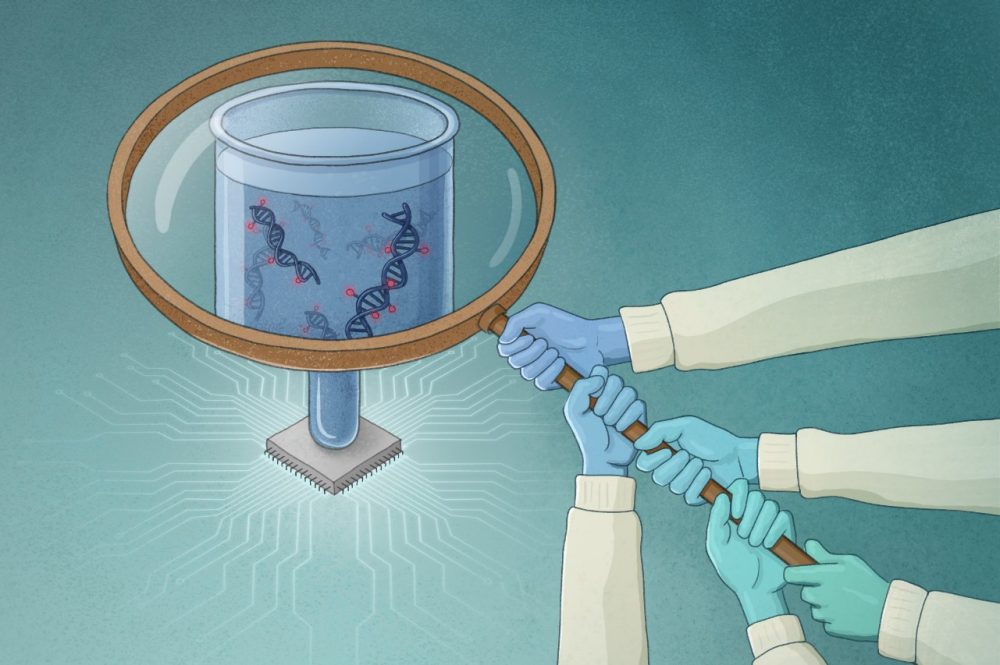
On February 17, 2026, scientists at St. Jude Children’s Research Hospital, in collaboration with multiple organizations, developed an Artificial Intelligence (AI) model that accurately identified brain tumors using a liquid biopsy, achieving a 92% success rate. It can additionally notice the difference between relapse among secondary tumors and track changes in the aggressiveness of the cancer.
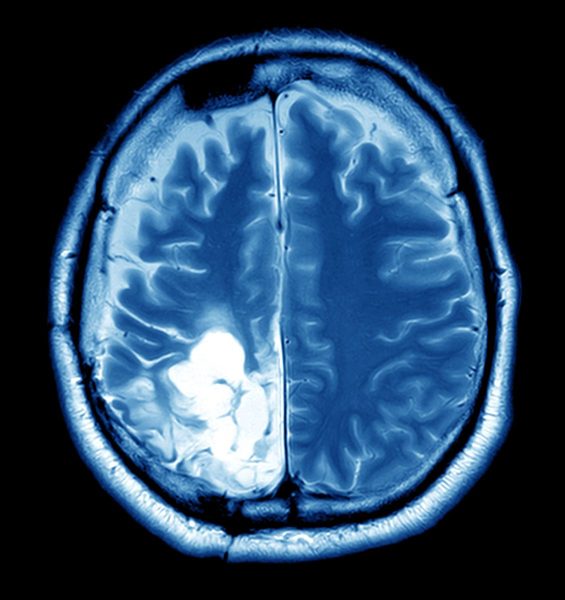
A common medical procedure for identifying cancer would often require a surgical incision for the proper extraction of a tumor’s DNA sample. This process has a few disadvantages, such as its invasiveness and requiring patients to prepare and recover; in most cases, the cancer has already grown. The surgical biopsy also takes longer to perform, as it requires anesthesia and time for the surgeons to extract material. Meanwhile, a liquid biopsy is usually short, as short as a blood draw.
A less invasive procedure is the liquid biopsy, in which cancerous materials in the body are tested using cerebrospinal fluid, including testing tumor DNA fragments (ctDNA) through noninvasive means.
The new AI model, “M-PACT,” created by scientist Kyle Smith, PhD, and his team, works in combination with liquid biopsy, as the process for rendering results is generally faster than a regular biopsy.
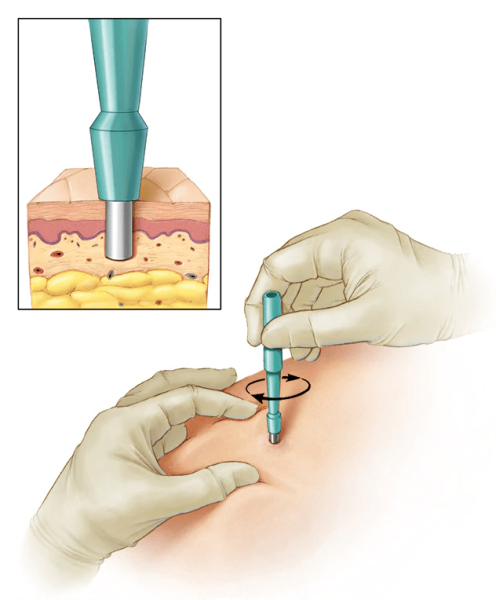
A regular medical procedure for identifying cancer would often require a surgical incision for the proper extraction of a tumor’s DNA sample; most of the time, the cancer had already grown.
Identifying brain tumors via liquid biopsy is safer than traditional methods. Requiring only a small amount of blood or other bodily fluids, the liquid biopsy provides a noninvasive approach to studying the origin of the tumor DNA and helps detect cancer before it grows too large.
This significantly reduces the number of painful procedures, because a regular surgical biopsy requires an incision to extract tissue for testing.
The benchmark study used the AI-driven model M-PACT, a secure deep neural network that accurately distinguishes tumors from samples with less than 1 nanogram of cfDNA, to analyze medical data, as reported in a Nature Cancer article.
Additionally, M-PACT can identify tumors that were previously missed during surgery, acting as a method of insurance, like a second sweep through the system to identify and help professionals get rid of harmful materials.
AI in the medical field is not a young topic; it has been a concept for years. Now, it is finally making an impact large enough to save lives. However, it is crucial to address the concerns.
Unawareness of medical procedures or programming errors can make it difficult to store patient-provided genetic information safely, according to an article in the National Library of Medicine.
It is possible to receive a false diagnosis during a liquid biopsy. M-PACT is 92% accurate; the AI model can make mistakes, though highly unlikely.
This use of AI in the real world has a positive impact on society and on patients willing to undergo medical procedures.
In conclusion, Artificial Intelligence is an effective means of safely treating early-stage cancer patients using a modern biopsy technique.