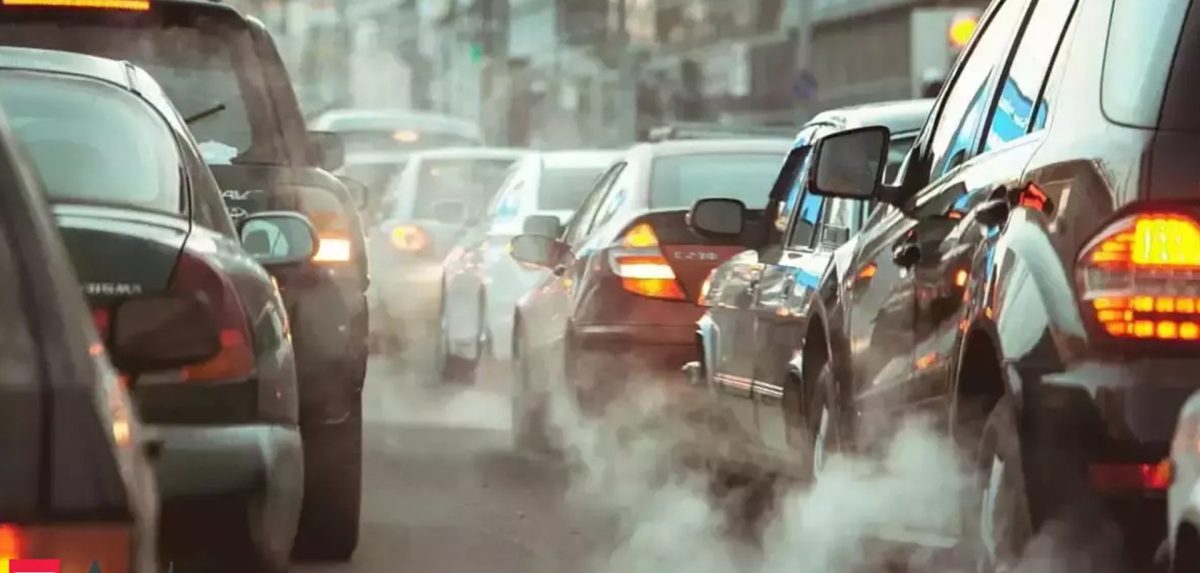
After years of conflict surrounding climate policies, the current administration ultimately repealed a past acknowledgment of climate change as a health concern – these findings served as the cornerstone of emission-limiting regulations on the automotive industry.
In his announcement of the action on February 12th, President Donald Trump referred to the acknowledgment as “the so-called endangerment finding, a disastrous Obama-era policy that severely damaged the American auto industry and massively drove up prices for American consumers. Prices went up incredibly for a worse product.”
He further stated that this action will bring down prices “tumbling down dramatically” for consumers and give more options for buying vehicles.
In continuation, Trump declared this as the single largest deregulatory action in U.S. history. It follows the political environment that emerged amid efforts to mitigate climate change, such as the landmark Inflation Reduction Act of 2022 and the Bipartisan Infrastructure Law of 2021.
These environmentally friendly policies, however much they may have slowed the current administration’s efforts, have not stopped it from advancing its own objective of removing these regulations.
Ultimately, this decision has sparked fierce debate over the science of climate change and the administration’s intentions, and may determine how the U.S. will approach vehicle regulations in the future.

Context
The endangerment finding in question was signed on December 7th, 2009, following a Supreme Court decision in Massachusetts v. EPA that classified greenhouse gases as pollutants subject to regulation.
It specifically says it “finds that the current and projected concentrations of the six key well-mixed greenhouse gases… in the atmosphere threaten the public health and welfare of current and future generations.”
Well-mixed greenhouse gases are several compounds, including carbon dioxide and methane, that trap the Sun’s heat in the atmosphere, a phenomenon known as the Greenhouse Effect.
In addition, it was found that a contributing factor in the production of hazardous gases was new motor vehicles and their engines.
It’s also said that while the findings didn’t directly yield regulations on their own, they formed the basis for new emission standards that would follow.
Since then, efforts have been made to counter them. Such instances include Trump’s executive order aimed at countering “overreaching, ideologically driven state policies” or a heavily criticized report from the Department of Energy, A Critical Review of Impacts of Greenhouse Gas Emissions on the U.S. Climate, which has since been discredited and declared unlawful because of its specially selected collaborators.
Public Response
This action by the administration has since been heavily criticized and disputed regarding the extent of its effects and the way they lean.
Former president Barack Obama, in his post on X, was among those to condemn it, saying that “Without (the endangerment finding), we’ll be less safe, less healthy and less able to fight climate change – all so the fossil fuel industry can make even more money.”
In slight contrast, climate change economist Graeme Maxton on the BBC found it to be “a step in the wrong direction, it’s not a great leap in the wrong direction.”
He explained that it sends the wrong signal by denying the existence of climate change and enabling more widespread emissions, but also that the US is a relatively small contributor to global emissions and that the effects of the finding on automobile designs won’t disappear as quickly. He also tied this to climate regulations still in place in other countries with a prominent automotive industry, such as those in Europe, and to the idea that American cars not adhering to those standards will be less popular.
On the opposite side, EPA administrator Lee Zeldin stated how the finding was “the source of 16 years of consumer choice restrictions and trillions of dollars in hidden costs for Americans…” and that the Administration in removing it will be “delivering consumer choice to Americans and advancing the American Dream.”
In a more extreme confrontation of this, the EPA has since been sued by environmental group Earthjustice in response to the repeal, which has been described as “illegal” and “unscientific”. This confrontation, on the part of the plaintiffs, represents a common recognition that the repeal would cause greater harm to the health of the general public.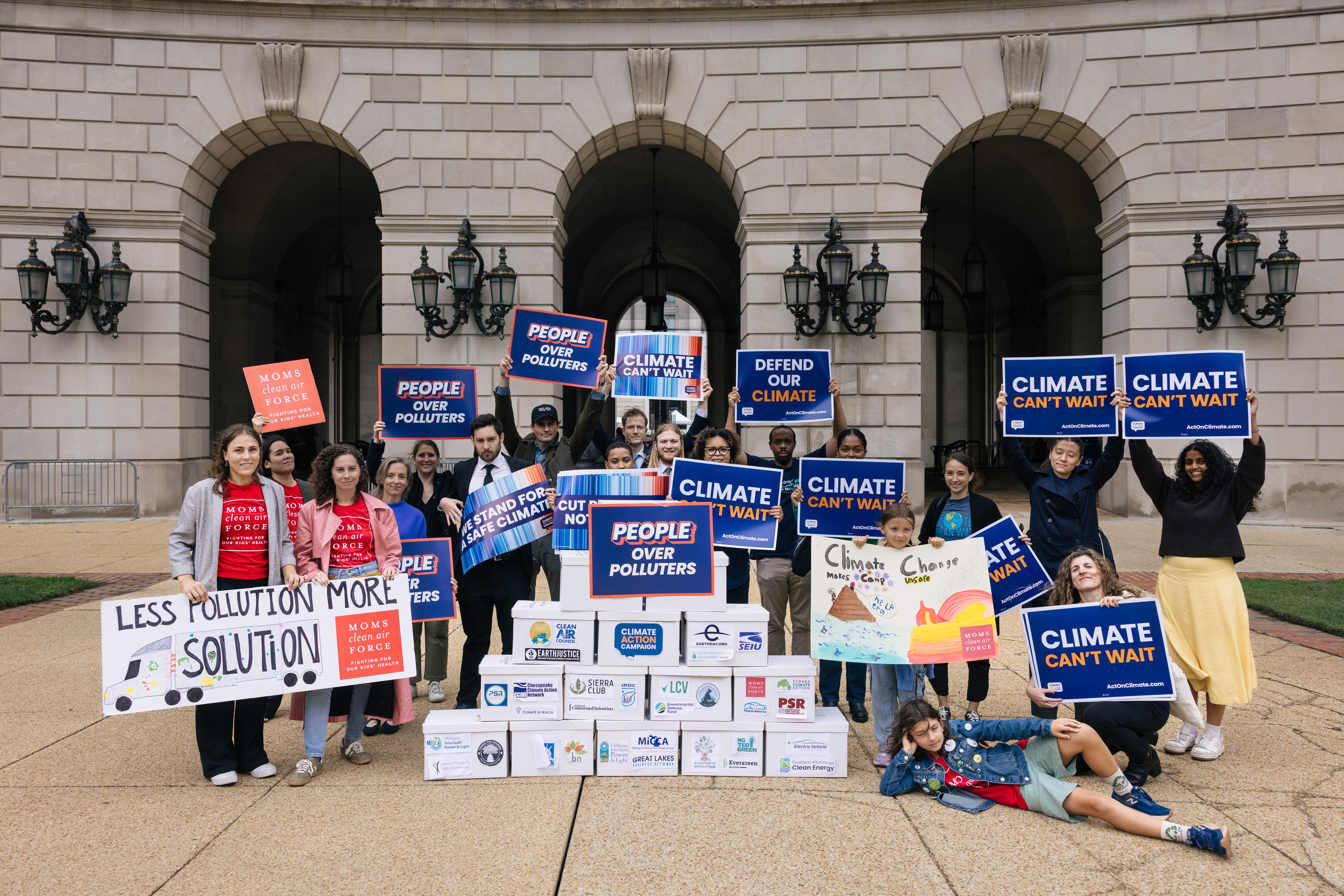
Closing
While the effects have yet to become prevalent in the weeks following the finding’s termination, it’s to be expected that further pushback against it will continue, if not grow over time.
Assuming that Maxton’s input is an accurate representation of the reality to come, this removal of the finding may only be the first small step of more to come, whether it’s a setback or an improvement for the American people and other people worldwide.