

Rising Conflict and the Global Oil Market
The recent conflict in the region, which involved Iran, has raised concerns in the global energy market. Oil prices have risen following military attacks on shipping routes in the Middle East that carry energy products for export. When there are issues with oil exports, the global market responds quickly, as oil is a vital product in the global economy. 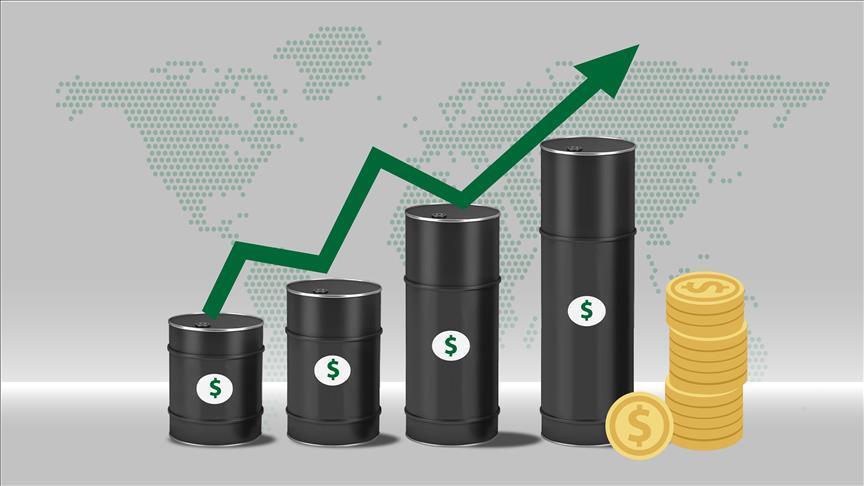
One of the main reasons this conflict affects the global economy is the Strait of Hormuz, a narrow waterway between Iran and Oman used for shipping. The Strait of Hormuz receives about 20 million oil barrels per day, which is equivalent to 20% of the world’s petroleum consumption, according to the U.S. Energy Information Administration. The Strait of Hormuz’s significance to the global economy is why oil prices increase in the event of a threat in the region.
Why Gas Prices in the United States Could Rise
When the price of oil increases globally, the price of gasoline in the United States tends to increase. This is because gasoline is a product of crude oil. When the price of crude oil increases, the price of gasoline at gas stations is likely to increase. Gasoline prices in the United States have already begun to rise, according to CBS News. This is in response to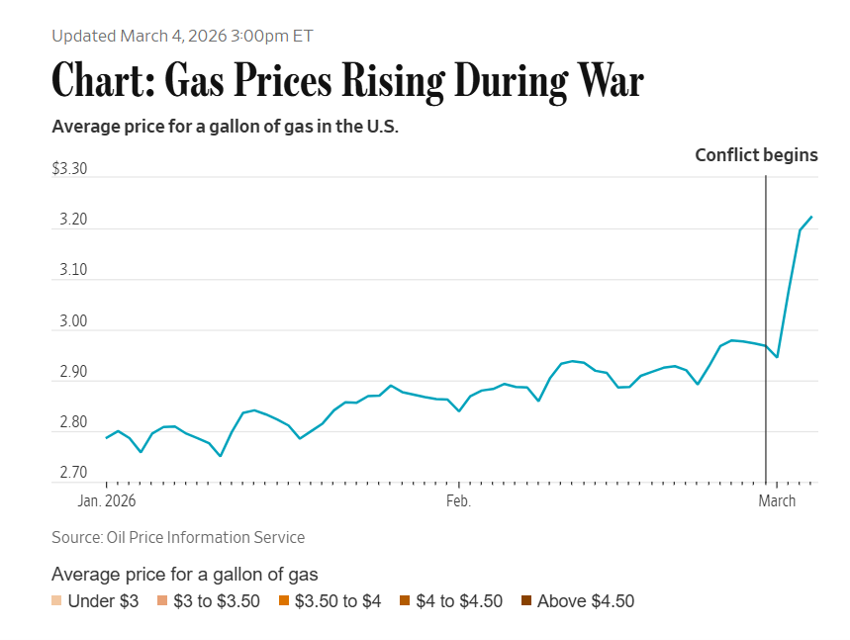 fears of disruptions to the global crude oil supply due to tensions in the Middle East.
Higher gas prices can impact the lives of several families. People use vehicles for commuting to school, work, etc. The United States Energy Information Administration reports that crude oil accounts for the majority of gasoline prices; thus, global oil prices influence gasoline prices.
The Ripple Effect on the Economy
However, oil price increases have effects beyond just individuals when driving cars. Companies that require transportation and shipping will also be impacted by individuals driving cars. Companies that provide trucking services and deliver products across the country will have to pay more for oil if oil prices continue to rise.
According to Business Insider, economists say oil price increases may lead to inflation because they affect the cost of. This means that as companies pay more to transport products around the world, they may end up passing this cost on to consumers.
Airlines may also be affected by increases in oil prices. Airlines require jet fuel to operate, and increases in oil prices affect their operations. According to the New York Post, experts say airline tickets may become more expensive due to rising oil prices caused by the conflict.
Why Global Events Matter Locally
While the conflict in relation to Iran is occurring thousands of miles away, the repercussions can be felt in communities across the United States. This is because oil is traded globally.
By understanding how global events affect the economy, one can appreciate the interconnectedness of the world in which people live. Politics, energy, and trade are just a few factors that affect the prices and economic conditions people face in their daily lives.