How Allegations Spark Controversy
The UFW, an organization co-founded by Cesar Chavez, is now at the center of a lot of controversy due to the recently surfacing allegations against Chavez. These allegations have resulted in severe criticism of Chavez, whose image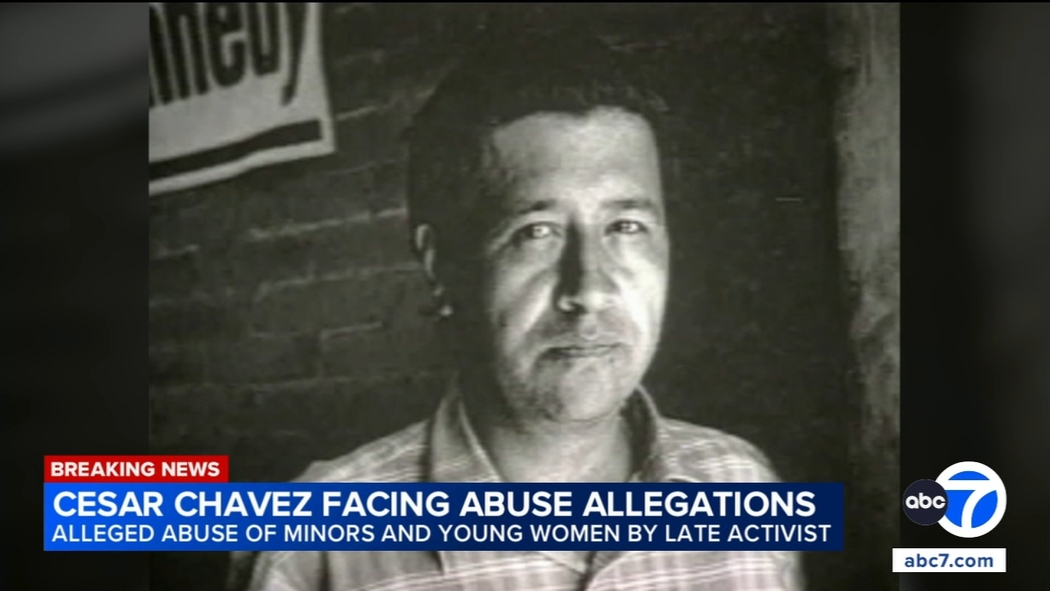 had remained untarnished until now. Cesar Chavez had always been perceived as an advocate for farm workers’ rights. However, with these recent developments, many now feel differently about him and his legacy. According to Reuters, the allegations are related to cases of abuse of young girls and minors, and the UFW union recognizes the incompatibility of these allegations with its mission.
Public and Political Response
The reaction to the news of the scandal was swift and happened throughout the entire United States. Chávez-related events were canceled, and those affiliated with Chávez have started distancing themselves. According to ABC News, Chavez’s organization said it would no longer participate in Cesar Chavez Day festivals in light of these allegations, and some cities have also canceled Chavez Day-related events as a result.
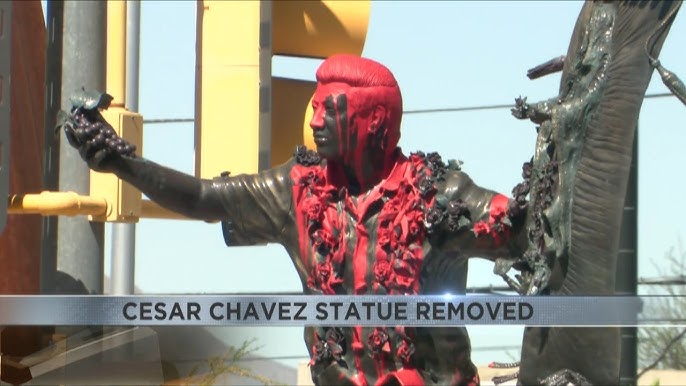
There is also a government reaction to the issue. The Associated Press reports that many cities and educational institutions across the U.S. have begun removing Chavez’s name from various places in their communities.
Impact on Communities and Schools
An immediate response to the Chavez scandal arose in the United States. The effect is most evident in California, where the figure of Chavez was widely adored. Many schools, streets, and buildings are named after Chavez, making this scandal highly relevant to those who use those places. Some educational institutions have already expressed concern about commemorating this controversial individual.
The Associated Press also reports that at least 100 institutions in the United States are named after Chavez and are currently under scrutiny due to allegations against him.
The problem is rooted in respecting Chavez’s legacy, a person, despite all the controversies surrounding his reputation.
A Larger Debate About Historical Figures
However, beyond the immediate issue, the case has sparked further discussion about how society should properly honor significant historical figures. Some individuals believe that Chavez’s positive role in securing workers’ rights deserves recognition, but others hold that his honor is no longer justified, given the gravity of the claims.
Reuters reports that the UFW acknowledged the challenge of striking a balance between Chavez’s history and the accusations, stressing that they stand for victims and the cause Chavez established.
Looking Ahead
As the case proceeds, there will be an ongoing debate over the best course of action. Some jurisdictions might strip the name from Chavez, whereas other jurisdictions might decide to retain Chavez’s memory but portray him in a less idealistic way.
All things considered, one can argue that such cases reflect how modern revelations can alter society’s perception of its heroes. From an educational standpoint, it emphasizes the need for students to comprehend both the contributions and the shortcomings of prominent historical figures.