
Walk through the halls of any high school, and you’ll likely hear an echo from the past: friends singing a Michael Jackson song, a student blasting Fleetwood Mac through their headphones, or someone on TikTok watching an ’80s classic turned viral. In 2025, more teens are listening to older music than ever before. The trend raises questions about why today’s teens are drawn to older sounds.
Streaming Opens the Vault
Streaming services have made every song in history just a click away. “Nearly 70% of Gen Z have recently discovered a song released over a decade ago for the first time,” said Dolby Newsroom. For example, Pretty Little Baby by Connie Francis went viral in April of this year. “Since early April, the song’s weekly streams have increased more than 20,000%”, said TikTok.

Marcela Mendoza (9) says TikTok plays a big role, even if it’s not intentional. “I feel like TikTok does, because usually it’s a sound that’s been overplayed or used repeatedly.”
With TikTok among the world’s most downloaded apps, its influence on music charts is undeniable. According to DAC, “TikTok reported over 1 billion monthly active users in Q2 2024, with music being a central feature in 90% of the most-viewed videos.”
Why Teens Crave Nostalgia
Now that we understand the data, why do teens gravitate towards this music in the first place? One of these reasons is nostalgia, even though they weren’t alive during the initial release of these songs. Many teens see older music as more authentic, with real instruments and meaningful lyrics, while criticizing modern music as shallow or scandalous. “Lyrics are often seen as both meaningless and vulgar,” wrote Stefanie Chen of The Spectator.
Santiago High School’s choir director, Mrs. Randeen, highlights the importance of lyrics. “With Generation Z in particular, I’ve noticed that lyrical content holds special significance, shaping the way they connect with and value the music they listen to,” she said.
Student Voices
Not everyone enjoys the heavily edited pop songs of today, so dipping into the music of past decades feels comforting. “I prefer older music because it feels more authentic. I think it has a deeper meaning than a lot of songs compared to music today,” said Jada McDonald (9). She enjoys songs like What You Won’t Do for Love by Bobby Caldwell, which last year reached #1 on the TikTok Billboard Top 50 “thanks to a TikTok food trend set to its horn riff.” Jada still listens to modern R&B artists like Daniel Caesar and Frank Ocean, but says songs like Ariana Grande’s Yes, And? feel overly edited and less authentic.
Renee Dunn (12) shared a similar but broader perspective. “I’ve been listening to older music for as long as I can remember. My mom and grandparents introduced me to a wide range of music from the 1900s to the 2000s. From there, I expanded my music taste so much that I listen to all genres of music from many time periods,” said Dunn. While Renee thinks today’s music will still bring nostalgia to the future, she notices that it is created differently from the sounds of the past. “Modern music is made for TikTok clips,” said Dunn. “It isn’t made for self-expression that can be felt in music from older time periods. So while yes, today’s music will have a special place in our generation’s hearts, it is not comparable to the timelessness of older music.”
Musicians on Timeless Influence
Students aren’t the only ones noticing these differences. Musicians themselves often say the music of their youth continues to shape their style. For TJ Jackson, 47, that meant the music of the ’80s and ’90s. “The ’80s and ’90s are my favorite time periods for music because they started a whole new creative wave that brought along new genres and new sounds. It’s what I grew up on, and I always incorporate it in my music even today.”
Classic Music’s Lasting Power
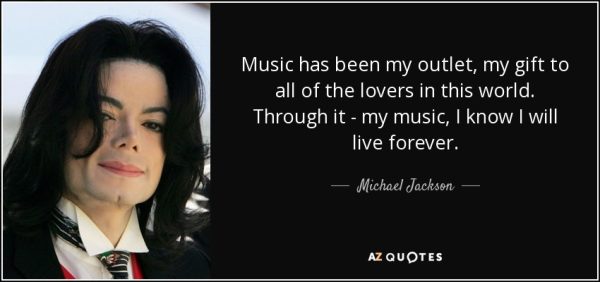
So why do classic tracks still matter to teens who weren’t even alive when they were released? TJ Jackson says it’s because great art is immortal. Classic songs created by world-renowned artists such as Michael Jackson and the Beatles have withstood the test of time. “An amazing piece of art will live on and outlast the author or creator…That’s why Leonardo da Vinci’s art pieces will live on for hundreds of years…Great music doesn’t expire,” says TJ Jackson.
Bridging Past and Present
Even so, teens don’t see older and modern music as rivals. Instead, they view them as integral parts of an evolving story. As Jada put it, “Each time period has something to offer. We use classic tracks to grow off, and modern music shows how culture is evolving.”
Renee also sees a deeper meaning in why older tracks remain popular. “Older music often relates to themes that might not be relevant today, but remembering the struggles, values, and moments that shaped the past says something about who you are. Music bridges us to those experiences.”
That may be the answer: teens aren’t chasing nostalgia, but building bridges between the past and the present. Thanks to technology, teens can explore every era of music—and why shouldn’t they? Teens aren’t stuck in the past; they’re simply creating a present soundtrack with echoes from earlier years. Whether through vinyl, TikTok clips, or streaming playlists, the past and present aren’t competing—they’re harmonizing.