“When the flush of a newborn sun fell first on Eden’s green and gold,
Our father Adam sat under the Tree and scratched with a stick in the mold;
And the first rude sketch that the world had seen was joy to his mighty heart,
Till the Devil whispered behind the leaves: ‘It’s pretty, but is it Art?’” -Rudyard Kipling.
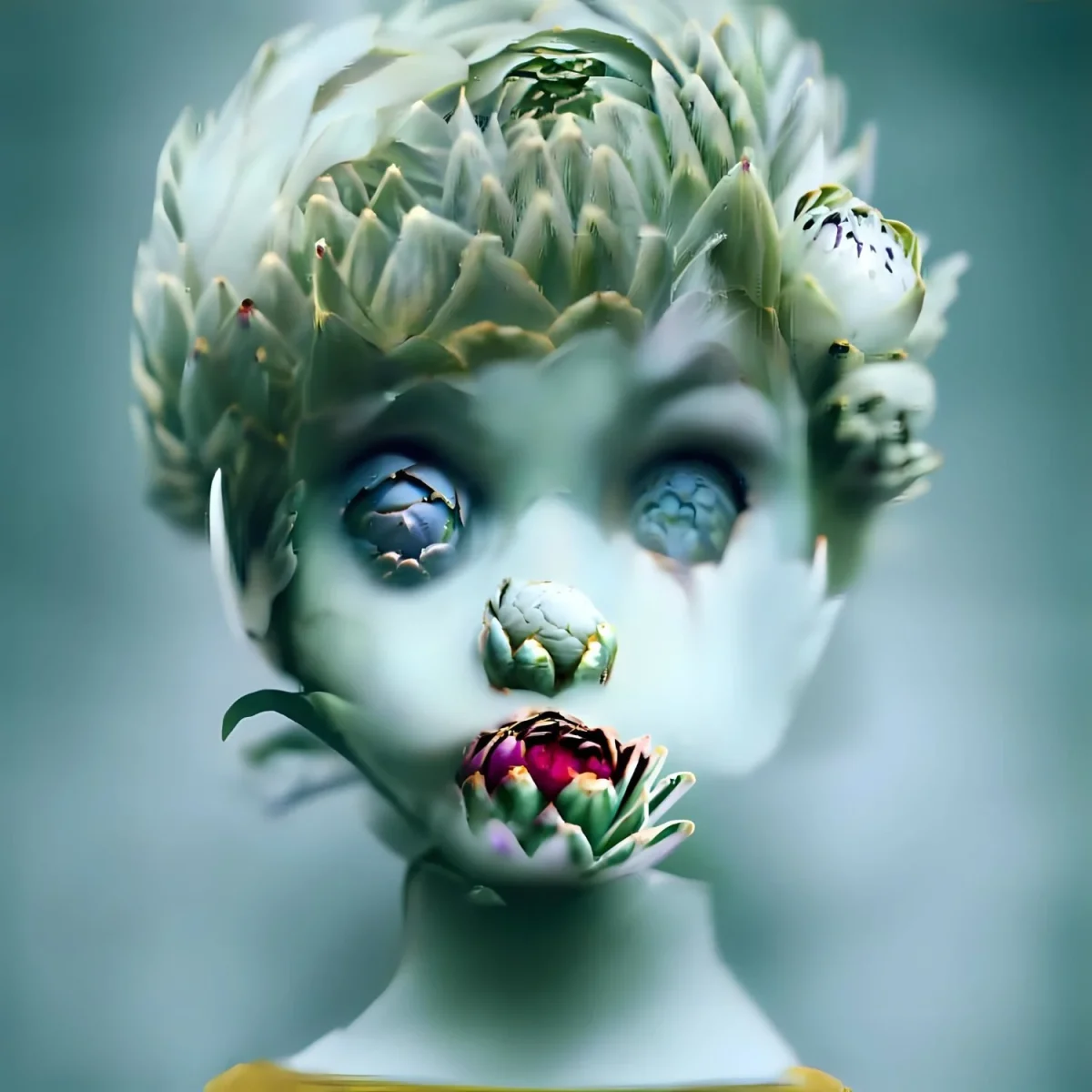
AI art marks a significant shift in our perception and appreciation of art, one that is worthy of being referred to as a revolution. As you’ll notice, this rupture has been prominent for years; however, AI Art will make this separation, if not already done, beyond repair. Questions are being raised. Questions about the ethical collection of data to sustain these AIs, or the ethics of utilizing people’s artworks to feed their database. Or companies using AI-generated art to replace the work of an artist, an artist who needs a wage and stable income to live, are being replaced by a cheap AI. What does this entail? What does this mean for the future of artists and art? What will AI do to art? What about the ethics of using the artworks of other artists to feed your AI?
 Art is the history of replicating and reiterating previous artworks. Human progress is the history of people building upon the progress of their predecessors. The complication with using the work of artists to create new artworks, a common practice throughout history, is that AI-generated artworks cost little to nothing and are either free or very cheap for corporations to use. Artists who want to make a living now don’t only need to compete with other artists, but with a cheap, instant AI that can produce any form of art in a fraction of the time it would take them. The question at hand is: “Do we want to live in a society where AI replaces the job of artists?”
Technology and automation have always been a concern for eliminating jobs, which is what they’re designed to do. Automation is a positive thing. Any society in the history of humanity would gladly cheer for automation. Less necessary labor equals a better quality of life. Well, no. It’s generally paradoxical under capitalism. Under capitalism, if production is automated, then few people will be able to afford these products, as most will be unemployed. Automation is a positive thing if we assume the labor being automated will benefit humanity, not the profit of machine owners. For art, there’s something different about automation because we prefer the “human touch.” Most online criticism of AI art centers on discomfort with the idea that machines could produce artworks indistinguishable from those of humans

. We consider it soulless.
The introduction of AI art sparked a conversation about what art is. To understand what art is, we should explore the reasons why we create art. Specifically, why would we make art in a world where artificial intelligence can do it for us? The Strugatsky brothers explained this perfectly in their film directed by Andrei Tarkovsky, “Stalker,” in the segment where a writer, as they take a break in their journey, gives a monologue to a science professor. The writer not only positions humans at the center of art, but he also argues that it’s our purpose to create art. And while he says that the mass amount of technology we have at hand is a crutch, I see it as a way of slowly liberating ourselves from the necessity to labor for survival. The less labor is needed for survival —that is, to labor to feed and shelter ourselves —the more we can labor for personal and collective growth —that is, the more we can put work into creating art, into understanding and exploring art.
Art is human. Art, in a way, houses a soul. It creates emotion; it speaks to us. This is why AI Art can’t — and will never — be considered “Real Art”: it misses the human aspect, the spirit of the inspired.