Tragedy in Frisco
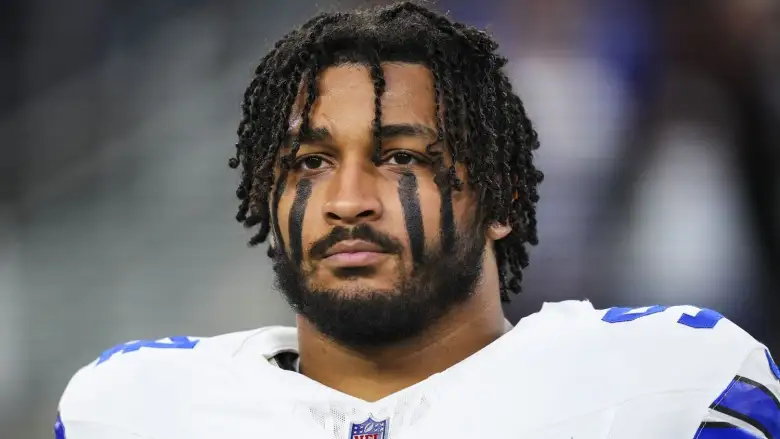
Nearly half of student-athletes report symptoms of poor mental health, and that statistic is not just a number. At Santiago High School, it shows up as skipped practices, quiet locker rooms, and students who don’t ask for help. Marshawn Kneeland’s death – found Nov. 6 after a traffic incident in Frisco, Texas– reminds us that even a public win can mask private struggles. According to a release from the Frisco Police Department, authorities discovered Kneeland’s body with an apparent self-inflicted gunshot wound.
According to dispatch audio released by Frisco police, officers spoke with Kneeland’s girlfriend, who expressed concern about his mental state, reportedly saying, “he will end it all.” The heartbreaking news sparked an outpouring of grief across social media. “We are deeply saddened by the tragic news of the passing of Cowboys’ Marshawn Kneeland,” wrote the NFL on X. Cowboys’ owner Jerry Jones expressed how “devastated” he was when finding out the news in an interview with 105.3 The Fan.
When Winning Isn’t Enough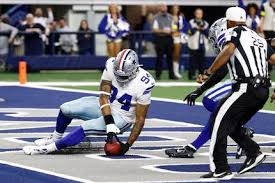
Just days before his death, Kneeland scored his first NFL touchdown. His triumph reminded fans that mental health struggles can hide behind strength and a public smile. To others, Kneeland embodied great strength, determination, and discipline. But behind closed doors, he was battling something far more powerful than any opponent on the field. Santiago’s longtime athletic director, Stephen Mitchell, explained, “In my more than 40 years of working with student-athletes, I have found that many view their sport as a respite from external pressures-whether academic stress, college applications, family challenges, or social dynamics.”
The tragedy of Kneeland echoes the loss of other star athletes such as Junior Seau and Vincent Jackson. Each of these deaths has shed light on the unseen emotional toll of football and other competitive sports. These devastating incidents remind us that mental health doesn’t discriminate by success or status.
The Silent Struggle
Kneeland’s death has reignited a difficult truth about mental health in sports. According to a 2020 study conducted by Charlie Health, “51.7% of elite athletes struggle with mental health problems at some point in their lives.” These worrying statistics also apply to student athletes. The 2023 NCAA Student-Athlete Health and Wellness Study reported that 44% of student-athletes experience poor mental health symptoms. Female, BIPOC, and LGBTQ+ students experienced the worst rates of mental health struggles, according to the report.
Unfortunately, very few of these struggling athletes seek help. The stigma around athletes and mental health has made it difficult to reach out for help. This judgment is especially apparent in men involved in contact sports, such as Kneeland. Mitchell said, “Ultimately, all of us struggle at times with vulnerability and openness around mental health, and athletes are no exception.” Whether it’s being judged by teammates in the locker rooms or friends in the hallways, the fear of vulnerability continuously silences those who need to speak out the most.
A Call for Change
Those numbers highlight why professional organizations — from the NCAA to the NFL — have begun reevaluating how they address mental health. The NFL has taken steps to improve resources for struggling athletes; however, people still feel the football community looks down on psychological transparency. Actual change requires a shift in mindset from locker rooms to stadiums, where mental wellness is treated just as seriously as a physical injury. “Coaches are trained to recognize warning signs and to guide students and their families toward appropriate professional resources when additional support is needed,” declared Mitchell.
Teams, coaches, and fans should prioritize regular mental check-ins, access to confidential counseling, and conversations about well-being without scrutiny.
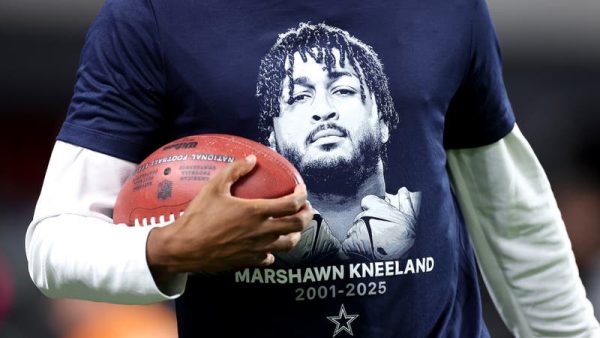
Remembering Marshawn Kneeland
Marshawn Kneeland was more than a football player. He was a son, a teammate, and a young man navigating struggles very few can imagine. His story isn’t just a tragedy; it serves as a wake-up call to improve our resources for athletes. As the sports world mourns this loss, may they be reminded that strength isn’t the absence of struggle—it’s the courage to speak about it.
If you or someone you know is struggling with thoughts of suicide, help is available. Call or text 988 to reach the Suicide and Crisis Lifeline, available 24/7 for free and confidential support.