The beginning of history
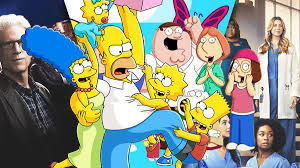
TV is one of the most-watched things in modern entertainment, and it’s easy to get hooked quickly on a show that catches your attention. Series like The Simpsons, Family Guy, SpongeBob SquarePants, and even dramas like The Walking Dead start strong with fresh ideas that quickly draw people’s attention. They began to gain attention, and from there they became known as classics, a popular, familiar TV show everyone knows or has heard of, from a meme or clip. It seems like nothing can stop these shows from rising. So why do so many of these famous shows that still hold up today make people go, “They’re just dragging this on.” As it turns out, even the most spectacular series face their downfall when they overstay their welcome.

Creativity or inauthentic?
When a show begins, the creators have years of ideas, jokes, twists, and character arcs ready to go. That’s why the early seasons usually feel so exciting and captivating. But after more than ten seasons or 200-plus episodes, writers begin to run out of fresh material. With shows like The Simpsons or SpongeBob SquarePants, fans argue that the plots become wilder and all over the place because writers have already used up all their good ideas from earlier series and resort to havoc to fill episodes. What’s left after decades on air? Weird plot twists and jokes that feel as if they’re trying too hard and just throwing something at the wall and hoping it will stick.
Audience grows, the show must go on
Another reason shows lose their spark is that the audience changes faster than the show does. For example, humor in the 90s isn’t the same humor as today. Style, music, people, everything changes over time. A show that once felt modern can start to feel outdated, even if it’s trying to stay relevant by catching on to what is trending nowadays. A lot of shows like to shove in memes to captivate their audience, but it either comes off as fake or cringeworthy. Some others refuse to change at all and end up feeling stuck in time. Either way, the show begins to feel less connected to today’s viewers.
Money is happiness
The biggest problem of all: money. TV networks and streaming services love long-running shows because they make a ton of cash. As long as the series continues to attract viewers (even if fewer than before), the company will keep renewing it. This often leads to what the new gens call “zombie shows”-series that keep going on even after the story is basically dead. Characters stop growing, plot repeats, and everything begins to feel like filler. A project the creator had felt a deep passion for is just starting to become a money grab.
New shows keep coming
Even if a show stays true to its authentic self, there’s no chance or guarantee it will continue being a hit. Viewers themselves begin to shift away from long-running shows because new series keep coming into play. With streaming, new shows are dropped every week! If the show stops being fun for even one season, people begin to move on and find the next source of entertainment.
Overall, it’s not that these shows are bad to begin with; it’s far from that. They became big because they were creative, bold, and different. But the pressure to stretch a good thing forever begins to weaken it and reveal its soft spots. Sometimes, the best thing a show can do is end on a positive note while it’s still loved and not faced with backlash.