
Humans have caused continuous destruction across the globe. This can be seen in the dark, cloudy sky during the day, and pollution. Dying fish at sea and rising temperatures of the melting polar ice caps, which raise the sea level. The next time you go to the beach, take a look at the tide, pay attention, and notice anything different.
By rewilding, we can stabilize ecosystems with extinct species because “many large predators and herbivores are extinct and were eradicated by humans tens of thousands of years ago. Where an exact species match is not possible, rewilding promotes the use of analog species to complete a whole community and reestablish ecological processes, as stated by the Rutgers University Libraries. This means that, through rewilding, particular species fill the roles of extinct species to stabilize the ecosystem.
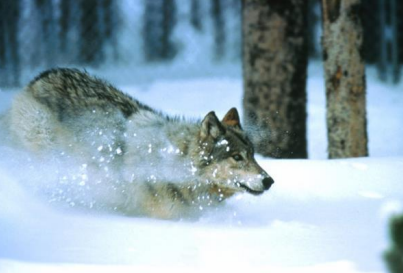
The reintroduction of species is a core component of rewilding. In 1996, willows along the stream averaged less than 50 cm (20 in) in height. However, within a decade of wolf reintroduction, streamside willows had attained an average height of 200 cm (80 in), according to the Oregon State University. This demonstrates that the reintroduction of wolves to Yellowstone National Park had a significant impact on the ecosystem. Vegetation returned, and the elk population stabilized. All of this combined changed the shape of the river in Yellowstone.
Beyond stabilizing ecosystems, rewilding also increases biodiversity. Biodiversity plays a significant role in climate change and global warming. It provides us with clean air and offers many benefits to animals and humans alike, which are essential for life, even though it may be inconvenient.
However, biodiversity is decreasing at an alarming rate; some “biologists estimate that 35% of animals and plants could become extinct in the wild by 2050 due to global climate change”, says the National Park Service. This is concerning because a decrease in genetic variation can deteriorate human health.
One of the most significant ways rewilding benefits the world is by helping it resist climate change. According to the International Union for Conservation of Nature (IUCN), “Rewilded ecosystems can help mitigate climate change by increasing carbon removal from the atmosphere and protect against climate change impacts by reducing soil erosion and flood risk”, which means that by removing excess carbon dioxide from the atmosphere, rewilding protects against flooding and soil erosion.
Rewilding can also fight pollution. As previously mentioned, rewilding removes carbon dioxide from the atmosphere, allowing plants and animals to grow healthier and giving us cleaner air to breathe. This is achieved by making a carbon sink. A carbon sink is an ecosystem that takes carbon dioxide from the atmosphere and stores more than it releases back into the atmosphere.
Beyond fighting pollution, rewilding significant amounts of land grants economic benefits. It provides financial benefits “through selling meat from the animals and generating revenue from nature-based tourism,” according to the Nicholas School of the Environment. This means that by selling meat, businesses can increase total income when tourists travel to rewilded areas.