Introduction
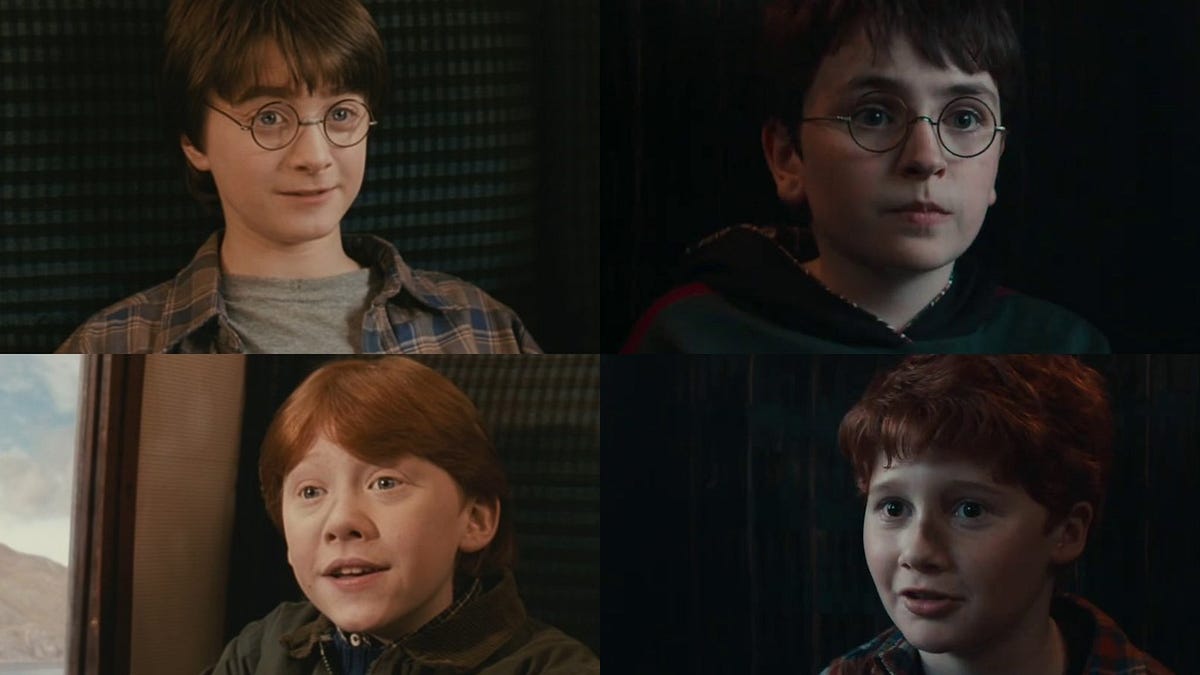
In 2023 alone, Hollywood released multiple reboots of classics, from animated hits to cultural favorites. Yet the question lingers in many people’s thoughts as we see these movies on screen: why is Hollywood so obsessed with revisiting old stories? Why not just leave them as they are? The answer lies within nostalgia, profit, and the growing demand for recognizable content. While some viewers cheer the return of familiar favorites to the screen, others argue that this trend signals a broader creative significance in the film industry.
Safety in the familiar outweighs the challenge
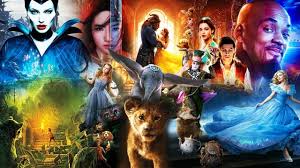
One primary reason remakes are so appealing to studios is the financial system. Original films are risky investments-audiences may or may not connect with an entirely new story. It’s a huge risk to take, especially with money on the line. Remakes, however, entail built-in recognition, reducing marketing uncertainty and boosting box-office potential. Take Disney, for example: its live-action adaptations of The Little Mermaid, Aladdin, and Beauty And The Beast have consistently outperformed other animated films and draw massive crowds; the same holds for live action, further demonstrating that nostalgia can translate directly into profit. Beyond that, these films allow Hollywood to introduce classic stories to a new generation while tapping into the sentimental memories of older generations.

The audience wants originality
A primary reason these films don’t always work out is that critics argue that constant remakes stifle originality, leaving so little room for fresh storytelling from a new mind. While some films, such as The Departed, successfully reimagine older works, others, such as the Cats movie, fall flat, drawing widespread criticism. The tension between artistic merit and commercial gain is palpable; studios seek to reestablish familiarity but do so at the cost of the unknown. Fans’ reactions mirror this divide. Some embrace the chance to revisit a beloved story, while others argue what they see as repetitive, uninspired filmmaking.
Light bulb flickers out
Another thing critics argue about is Hollywood’s dependence on remakes, which signals something much more troubling: ideas beginning to dry out. Instead of taking risks on fresh ideas or unknown writers, studios often default to stories that have already proven successful, relying on nostalgia to carry the weight that originality once did. The trend continues to reinforce the perception that the industry is recycling the same narratives because it no longer knows how to write classic guaranteed successes. As a result, audiences are left wondering whether Hollywood has truly run out of ideas and is just trying to disguise it with rebrands.
Audience numbers matter more than joy for the crowd
Despite criticism, the remake trend shows no signs of slowing. Streaming platforms and global markets thrive on recognizable films, which ensures high engagement across diverse audiences. Another significant advantage to this is that, as technology advances, from CGI to visual effects, it allows filmmakers to “modernize” classic stories in ways that were previously impossible by looking “too cheap” or “fake.” Even as original storytelling continues, remakes offer a way for studios to minimize risks while maximizing global appeal.

Conclusion
Ultimately, Hollywood’s remake mania reflects a delicate balance between commercial strategy and creative ambition. While remakes can introduce timeless stories to contemporary audiences, they also raise more critical questions about originality in modern filmmaking. Whether this trend will eventually overshadow new storytelling remains to be seen.