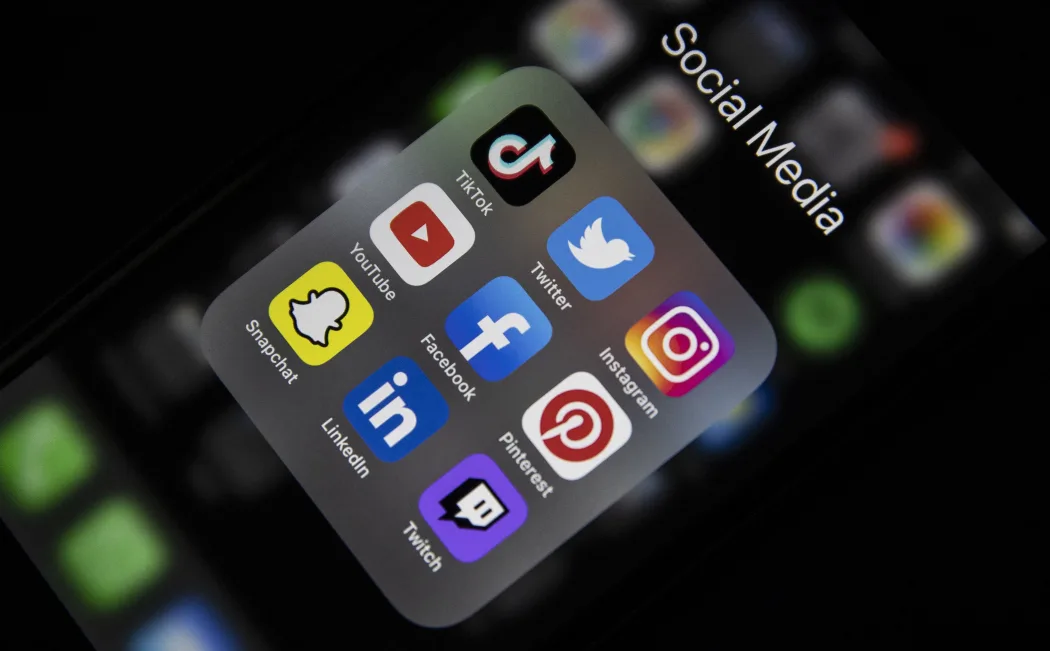
21 November 2017, Molly Russell died from an act of self-harm while suffering from depression because of a spiral into social media. Molly was a bright, happy teenager, a girl destined for promise, opportunity, and potential throughout her life. She had interests and hobbies like any teenager. She loved music, her favorite being 5 Seconds of Summer and the musical Hamilton, as well as embracing her talents by playing the lead role in her school’s show. Like any te enager, she was hooked on social media. Her parents viewed her social media activity as positive, with a focus on fashion, music, and jewelry; however, there was a darker side to her content. According to her father, Ian Russell, he noticed that Molly’s behavior had become more isolated, often spending more time alone in a room, seeing it as teenage mood swings, unaware of her depression and negative spiral into social media. Six months before her death, she uploaded, liked, and shared over 16300 pieces of content over platforms ranging from Instagram and Pinterest, over 3000 being related to suicide, self-harm, and depression, as said in The Guardian. The child psychiatrist, Dr. Navin Venugopal, viewed her photos and videos and reported being unable to sleep due to the harm and danger of that content, according to the article Social Media is Addictive and Influences Behavior: Should it Be Regulated as a Digital Therapeutic?
“There were periods where I was not able to sleep well for a few weeks, so bearing in mind that the child saw this over a period of months, I can only say that she was [affected], especially bearing in mind that she was a depressed 14-year-old. It would certainly affect her and make her feel more hopeless.” (Dr. Navin Venugopal)
On 20 November 2017, Molly and her family spent their last moments together. At 7 am the next day, Molly Russell’s body was found by her mother, Janet Russell, having committed an act of suicide after falling and trying to harm herself. After this event, society made major changes in how social media is viewed, how social media companies are viewed, and the perspective on how social media affects kids and teens. Consequently, there are many pros and cons to social media’s effects on students’ mental health and well-being.
Negative Effects of Social Media on Students’ Mental Health and Well-being.
 Social media is a platform that enables users to create, share, and exchange content, allowing people to interact with others in virtual communities. As it has evolved, social media has transformed how people interact, with a strong effect on students’ social, emotional, psychological, and spiritual development. An increase in the effectiveness of social media exposure is significant for students who were introduced to it at a young age, as it continues to shape how they form their identity, relationships, and self-worth, according to Douglas T. Buzenski. As well, social media has negatively affected students’ mental health, creating feelings of FOMO (fear of missing out), social comparison, cyberbullying and online harassment, negative effects on sleep, effects of addiction, and unrealistic realities.
FOMO (fear of missing out)
FOMO, or fear of missing out, is a feeling that creates anxiety, jealousy, and a sense of unease when a person feels like they’re not contributing to an exciting or more fun activity or event. On many social media platforms, users constantly highlight their achievements, offenses, and experiences (positive or negative) to others online. This results in students fearing missing out on opportunities and events they can participate in, leading them to feel a sense of commitment and connection to others and to their online influencers. This fear can create feelings of anxiety, loneliness, and pressure to constantly participate in countless events, which causes more negative feelings and resentment toward themselves, having students to compare themselves to other users, which creates and negatively impacts self-confidence and anxiety. As a result, FOMO contributes to fatigue, leaving a student emotionally and/or physically drained.
Cyberbullying and Online Harassment
Social media can expose students to cyber-bullying, harassment, or hate speech, which occurs anonymously or through friends, family, and peers. This can severely damage a student’s self-esteem and lead to severe anxiety and emotional distress. As well, social media causes cases of suicide and depression.
Cyberbullying (Statistics)
- In 2023, about 26.5% of U.S. students reported they had experienced cyber-bullying in the previous 30
 days (Patchin & Hinduia, 2023)
 - Approximately 80% of the youth reported encountering hate speech via social media in the past month (Office for the Study of Hate, 2024)
53% of teens who have been cyber-bullied say that:
- Elected officials are doing a poor job of addressing online bullying (Pew Research Center, 2022)
Bullying, Cyberbullying, Self-Harm & Suicide
Negative effects on Sleep
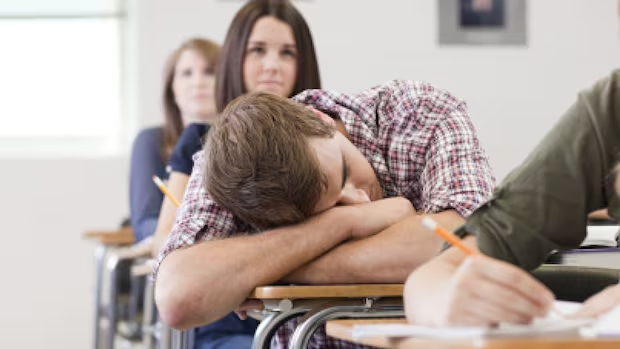
Social media has been scientifically shown to significantly affect students’ sleep patterns, including their bedtime and wake-up times. Excessive social media use, especially before a student goes to sleep, can overstimulate the brain, delaying the Default Mode Network (DMN) and Resting-State Network (RSN). This results in negatively affecting academic performance and productivity, and the lack of sleep could worsen mental health issues such as anxiety and depression.
Possibilities of Addiction
Over the years, social media has become more engaging and addictive for students. Constant use of social media can lead to addictive behaviors, making it hard for students to manage time effectively and damage their sleep schedules. Furthermore, social media can expose students to other addictive behaviors and uses, such as self-harm, drug addiction, pornography addiction, and social media addiction. This may cause students to start engaging in dangerous behavior, which affects their relationships, academic pursuits, and mental and physical well-being, leading to depression and anxiety.
Positive Effects of Social Media on Students’ Mental Health and Well-being.
Although social media has many negative effects on students, it can also contribute to many positive outcomes. Some positive effects of social media include helping students feel more connected to others, spreading awareness and information, and allowing users to express themselves and showcase creativity.
Sense of Connection
Social media allows students to connect with their families, friends, and other loved ones, sharing memories and events. This helps students to reduce feelings of loneliness and isolation and provides a sense of comfort and connection, knowing that they have connections with their peers and families.
Mental Health Awareness/Information Access
Social media platforms can serve as tools to raise awareness of topics students are passionate about and to help build a community passionate about the same subjects. It helps students build confidence and peacefully spread awareness. Also, social media platforms allow students to find information and resources to seek professional help and learn self-care strategies to help them combat their mental health issues or their challenges and struggles. This can help create a safe space for students to feel comfortable sharing their personal struggles and foster a sense of community and belonging.
Expression and Creativity
On social media, many students can use it as an outlet to express themselves through ideas, music, or content, sharing their passions and interests with other users. This allows students to engage in positive behaviors, foster a creative environment, and improve their self-esteem, emotional well-being, and mental health, thereby influencing and impacting other people’s lives.
Encouragement and Seeking Help
 Many teens can find supportive online communities that help them navigate challenges and struggles in others’ lives. By using this effectively, students can overcome barriers such as distance or social anxiety to seek encouragement or professional help to address their struggles. As well, social media platforms can offer encouragement by showcasing influencers who promote positive content that uplifts students rather than brings them down.
Strategies for Having a Healthier Relationship with Social Media
Social media is a crucial part of students’ everyday lives, offering ways to connect, learn, and express their passions and ideas. However, it can negatively impact the students’ mental health and well-being, and could affect their self-esteem and cause rates of depression and anxiety. But developing healthier habits around social media can help students maintain a balanced relationship with these platforms and sustain mental health and well-being while using them in a more positive and meaningful way.
Digital Well-Being Education
Educating students about responsible social media use and its mental effects would help them create healthier habits. This could look like awareness on how algorithms work, comparison, awareness on cyberbullying, or participation in helping the well-being of people‘s mental health and their own. As well, students could learn to manage their Screen Time and practice mindfulness and stress reduction, helping them reduce stress and anxiety when encountering negative content on social media.
Cultivating Offline Relationships
By building relationships outside social media, students can make meaningful connections and participate in activities that do not involve social media or Internet use. This can help students create a face-to-face community and cultivate meaningful relationships to strengthen them. This might look like going out with friends more often or finding communities (church, group therapy, etc.) to strengthen confidence and support students’ mental health. Furthermore, this helps counteract the isolating effects of social media and could decrease anxiety and depression.
Role of Parents and Guardians
Parents and guardians play a crucial role in helping their children and teens develop healthy habits and relationships when using social media. Caretakers must have open discussions with their children about the negative effects of social media to help them better understand and manage online behaviors, and to promote awareness of the risks to their children’s mental health and well-being. Recommended strategies experts use to help promote this are by telling the caretaker’s child to take regular breaks, turning off non-essential notifications, establishing times and spaces where social media is not appropriate, and creating online boundaries and promoting respectful behavior to other users online, as expressed by Carol Vidal, MD, PhD, MPH, and Jennifer Margaret Katzenstein, PhD. Parents or guardians must also model healthy behavior to foster a healthier understanding of social media. This may lead their child to imitate observed behaviors rather than follow verbal instructions.