
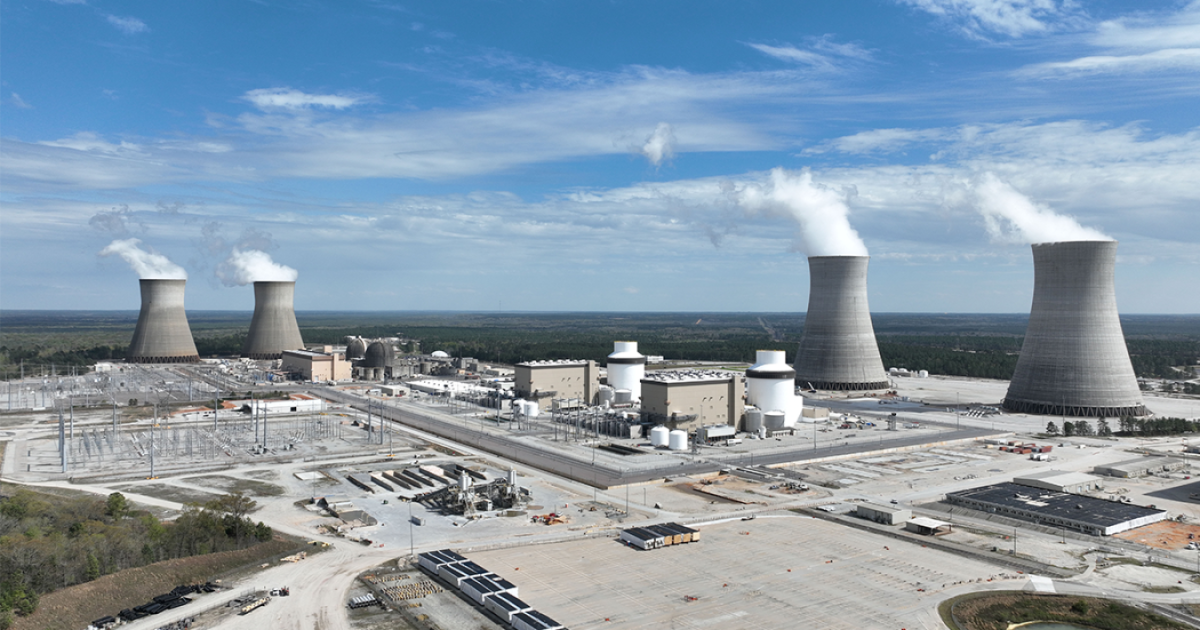
One of the most controversial topics today is our power sources for electricity. Given the dangers of nuclear power, it is time to get rid of it.
The well-known case of the Chornobyl nuclear power plant involved an explosion that killed 28 workers within a 4-month period and many civilians residing in Russia, Ukraine, and other places. Even though an accident is extremely unlikely, when it does occur, the consequences are often catastrophic.
Although nuclear energy does not have the same carbon dioxide emissions as burning fossil fuels, it has other major problems. One of these is the disposal of radioactive waste into the environment.
Another major inconvenience is the fact that manufacturing nuclear reactors is expensive. The cost of building and maintaining them is too high, especially as the economic challenges make it harder for industries to sustain these power plants, according to the US Department of Energy.

However, there are also some benefits to using nuclear power. One of which is expanding the job market. Maintaining a power plant requires significant work; the nuclear power industry employs about 500,000 people in the United States, who earn 50 percent more than workers in other industries, according to the US Department of Energy.
A nuclear power plant’s purpose is to create electricity; it achieves this by making an electromagnet in a generator spin using an outside force to create electricity.
A nuclear reactor creates heat through nuclear fission by extracting the energy from the nucleus of an atom.
 A good alternative to this issue would be wind power; however, even that is not as efficient. Nuclear reactors typically have a capacity (the maximum amount of electricity they can produce under ideal conditions) between 300 and 1600 megawatts, with the average reactor reaching 900 megawatts. Nuclear power plants typically maintain approximately 93 percent of their capacity and operate at nearly full capacity while active. Because of this, the number of turbines required to generate the same amount of energy as wind turbines and nuclear reactors in a year would be about 800. Looking at it from another perspective, it would take about 8.5 million solar panels to generate the same amount of energy, says the Massachusetts Institute of Technology Climate Portal.
Another disadvantage of nuclear power plants is their correlation with nuclear weapons and bombs. This is not actually true; they are not related in that way, simply a concern over the Russia-Ukraine conflict raising concerns over nuclear weapons. Technically, this is not a disadvantage, just a concern most people have.
In conclusion, there are better sources of energy; although nuclear power is not the devastating bomb people thought it would be (most of the time), it provides us with a decent amount of energy. However, renewable energy remains better for the environment, people, and the economy.