
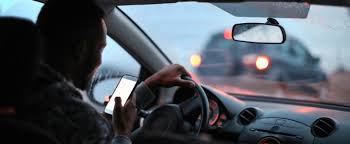
Each year, young people are injured or killed in car accidents caused by reckless driving. It may seem cool to speed up, text while driving, or try to beat your friends to the next stop sign. However, these actions have the potential to change your life forever. To young people at Santiago High School, reckless driving is not just a problem, but a reality. Reckless driving is a serious issue for our peers, our families, and our communities.
Young people who drive are especially at risk for reckless driving. This is because young people have limited experience behind the wheel. According to national safety reports, car accidents are one of the leading killers of young people. Car accidents are caused by young people being distracted by their phones, music, or having too many people in the car. Looking at your phone for a second or two can have devastating effects.
 Speeding is another major contributor to teen car crashes. Some teens feel pressure to drive faster to keep up with traffic, impress their friends, or enjoy the thrill of speeding. Nevertheless, speeding makes crashes more lethal. A decision that lasts only a few seconds can lead to injuries that will last a lifetime or can cost someone their life.
Reckless driving is not only hazardous to the driver; it is hazardous to the passengers, other road users, and the driver’s family as well. A single accident can cost someone hospital bills, trouble with the law, emotional trauma, and loss that can never be replaced. In schools like Santiago High, where most students are just starting to drive or will soon get their driver’s licenses, the effects of reckless driving are very real. The loss of a classmate or a friend to an accident that could have been prevented would greatly impact the whole Santiago High community.
The good news, however, is that reckless driving can be prevented. Small changes can make a huge difference. Switching your phone to silent mode or “Do Not Disturb While Driving,” abiding by the speed limits, wearing your seatbelt, and limiting the number of passengers are all small changes you can make. Taking extra time to arrive at your destination can also help prevent the temptation to speed up due to time constraints.
 Parents, schools, and communities are also part of the solution. They can contribute by conducting driver’s education programs, safety assemblies, and talks with their children about the responsibility of driving. They can help their children realize that driving is not all about freedom; it’s also about responsibility. Your friends can also be of great help by calling out reckless drivers. It may be awkward, but it could save someone’s life.
Ultimately, the key to safe driving is a matter of personal choices. Every time a teenager gets into a vehicle, he or she decides to drive safely or to engage in risky behavior. No text, race, or thrill of the moment is worth the loss of a life.
If the teens of Santiago High School want to keep themselves and their community safe, the call to action is straightforward: slow down, stay focused, and drive as if their lives depend on it, because they do.