In one week, Gabby Petito’s name was mentioned 346 times by CNN. At that time, many people of color went missing as well, most of whose names you and I will never know.
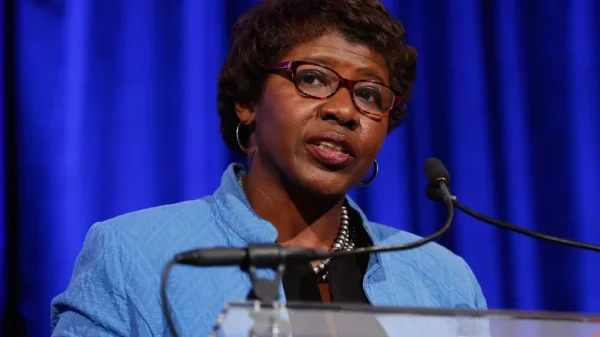
PBS Journalist Gwen Ifill coined the term “Missing White Woman Syndrome” in 2004. Her term revealed the difference in reporting given to White women as opposed to people of color, men, and individuals in the lower class. Gwen’s term remains more prevalent than ever, with recent documentation of its continued use.
Petito’s case is a more recent example. When she was missing, her case was presented in the media as undeniable. For months, older people in my life discussed her. Of course, her case deserved attention, yet people of color rarely made national headlines.
Her case gained public empathy because she was characterized as someone who had their whole life ahead of them, even though people in marginalized communities also do. If we were to look at the statistics for how many people of color are going missing, and of those statistics, how many of those names do you remember making it on your TV?
An additional example is the ongoing case of Nancy Guthrie, whose mother is journalist Savannah Guthrie. On TikTok, rumors circulated about the details of her disappearance, with the hashtag “#NancyGuthrie” used in over 21.3k posts. Almost all the discourse I saw was personal opinions and theories posted by the general public; it only showed how we, as a public, choose who becomes a national obsession.
Both of these cases were in locations where both women were meant to feel safe. Both have national intrigue, as both were abductions, the general mass inserts themselves into these cases and further broadcast individuals’ cases.
Based on a case study by the University of Oulu by Sanni Junttola, an academic review found that 22.97% of African American individuals received only 14.32% of media coverage in our nation. Whereas White women had an astounding ratio, 60.32% of their entries in national databases made it to headlines, 60.54% broadcasted, more than the national entry number.
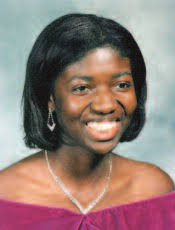 For instance, a 21-year-old African American woman, Romona Moore, vanished in New York in 2003. At the same time, Svetlana Aronov disappeared. Aronov received mainstream media coverage, whereas Moore did not. I sympathize with Aronov’s case, yet we have to acknowledge that Moore was kidnapped, raped, and murdered, and found two months later, with little to no coverage made by the nation. Aronov received a search team, posters, and flyers, whereas Moore did not receive that until her body was found. Aronov’s case was ruled inconclusive by the NYPD after being found in a lake. This led to Moore’s mother filing a federal lawsuit against the NYPD, alleging racial discrimination.
Moore’s case is one of dozens where people of color have been failed by law enforcement to protect them. We have to wonder, can an institution that failed cases similar to Moore and Aronov truly ensure liberty and justice for all Americans?
If you know someone who is missing or is looking for information, please call
(855-626-7600) The National Missing and Unidentified Persons System.