
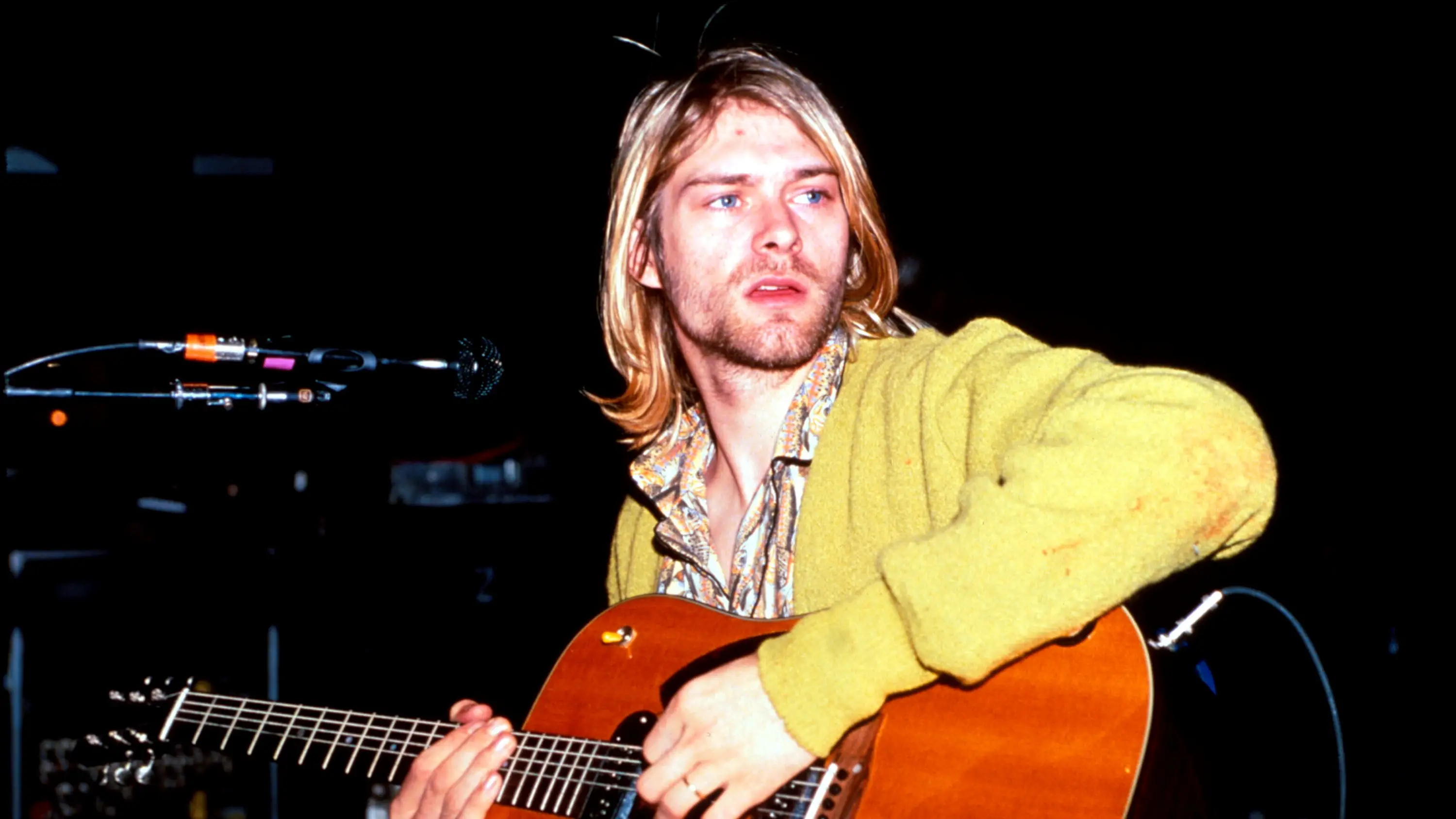
You’ve heard this name before: Nirvana. One of the biggest bands on the planet that ended in sudden, unexpected tragedy. It was 1994 when Nirvana was coming off their multi-region “In Utero” Tour. Fans were looking forward to a possible 4th studio album from the band. April rolled around after Nirvana was confirmed to headline Lollapalooza 1994 in September. Things were looking great for the band. Then, tragedy struck. On April 8th, Kurt Cobain was found in his Seattle home and was officially declared dead. With his death officially being ruled a suicide, the case seemed to be closed. Now, over 30 years later, new information is causing quite a stir in the music scene.
In early February of this year, Seattle Police responded to a new report. An unofficial group of forensic scientists had gathered enough information to build a convincing case. Now, the new report has heads turning from all around the world. According to Loudwire.com, former Seattle police captain Neil Low has given his opinions on the case. “I just am not buying that Kurt did that to himself,” Low explains, “One thing about report writing is the human error factor: misheard, misunderstood, transposed thoughts, and forgotten details.” The retired police captain claimed there were abnormalities in the blood evidence and inconsistencies between the autopsy report and the police reports. He found compelling evidence, such as missing notes and conflicting details about what happened before the singer’s death. “All the pellets were accounted for, but the impact would have been so forceful that it would have produced a significant spray, not just a little, a large spray,” he explained.
A Seattle Medical Examiner’s office has also acknowledged the sudden popularity of the theory. According to NYPost.com, a new statement from the King County Medical Examiner’s Office has been revealed: “King County Medical Examiner’s Office worked with the local law enforcement agency, conducted a full autopsy, and followed all of its procedures in coming to the determination of the manner of death as a suicide,” the statement read. “If new evidence comes to light,” however, they say they’ve “seen nothing to date that would warrant re-opening of this case and our previous determination of death.” Forensic scientists are satisfied with the prospect of reopening the case. Given the facts that he was forced to take a massive dose of heroin before he was shot, and that his two suicide notes used different handwriting styles, theorists hope this is the start to finally unveiling the truth behind the frontman’s death. Michelle Wilkins, an independent researcher on the case, has provided another helpful insight. One point she raised relates to organ damage Cobain sustained as he died: “The necrosis of the brain and liver happens in an overdose. It doesn’t happen in a shotgun death.”
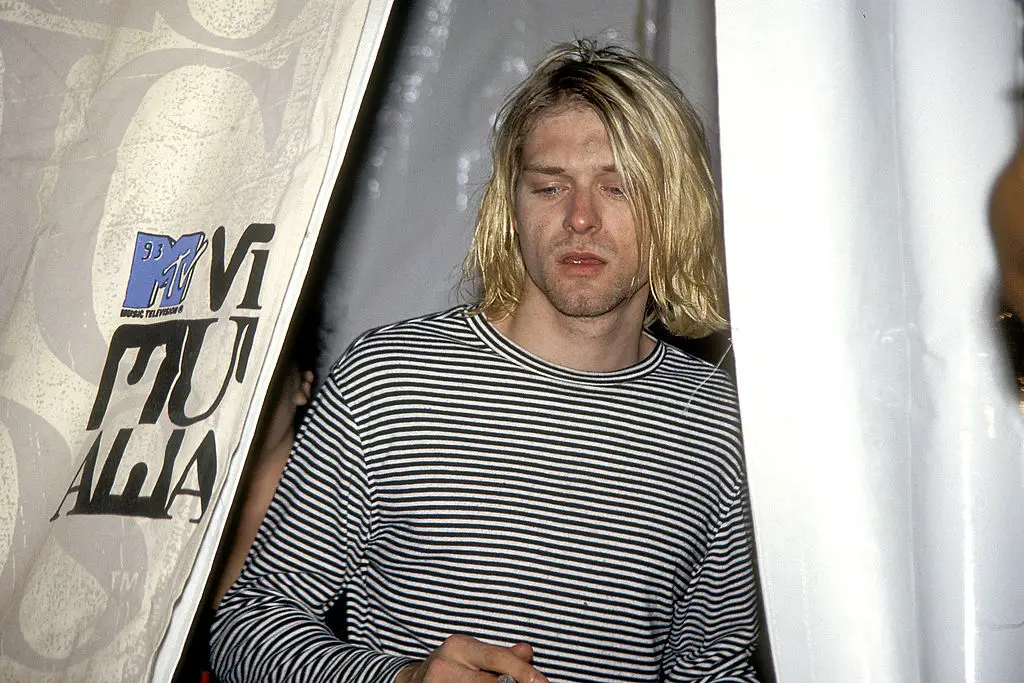
Overall, the circumstances surrounding Kurt Cobain’s death remain shrouded in mystery. Being an almost 33-year-old case, people still wonder if the truth we know is the real deal. Thanks to many Seattle forensic scientists, we might finally be able to know the true details of Cobain’s death.