Nowadays, it’s really common for a normal teenager to own a smartphone. From texting friends to scrolling on social media, many teenagers spend much of their time on their phones. According to the Pew Research Center, over 95% of teenagers nationwide have access to some sort of device. But as screen time increases, many people are starting to ask a similar question. How do phones affect the teenage mind?
The impact on mental health studies shows that heavy phone use can affect mood and mental health. Research from the American Psychological Association gives advice saying that teens who spend more time on social media are also more likely to have feelings like anxiety, loneliness, and low self-esteem. Teens tend to compare their own lives to those of other teens around their age. Social media usually shows only small parts of other people’s daily lives, and when teenagers compare themselves, they think their lives are boring or sad. On the other hand, whenever teenagers post on social media, they tend to check their phones for likes or comments, which can lead to stress. However, experts say phones aren’t all that bad; they allow teens to stay connected with one another, find support groups, and express themselves creatively.
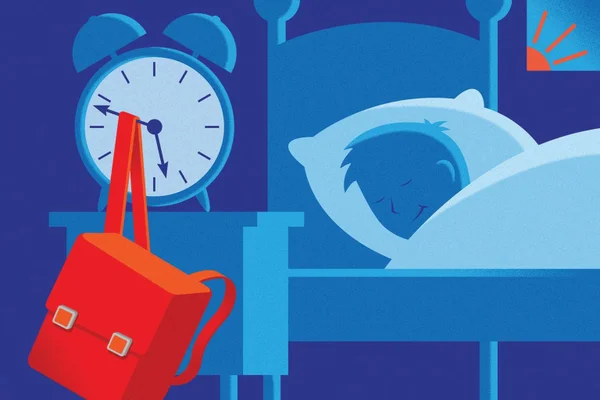
Sleep and focus are other major problems that teenagers face; many reports indicate that they do not get the recommended hours of sleep, which typically range from 8 to 10 hours. Screen time before bed can’t help the case either, because the very bright LED shining in your face before you go to sleep isn’t healthy. A lot of teachers comp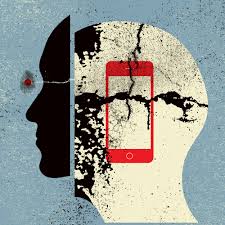 lain that phones have a huge impact on kids in class, they say that notifications and social media can distract and break the focus of a teenage mind. It is very normal for teenagers to do that as they check their phones more than a dozen times a day without realizing it.
As phones have many cons, they can also have many pros. Many educational apps, online research, and communication platforms have helped many students learn and stay organized within themselves. Many teachers use these platforms to post assignments and give out updates. Students mainly are on the con side, but students who use the phone as a tool, not a distraction, always succeed.
At Santiago High School, many students struggle to stay off their phones and keep their attention where it needs to be. Most Teachers are fighting to ban cellphones in classrooms because of how bad it has gotten. A lot of people have mixed emotions about that rule. Many students claim that they use it as a tool. Thoug h any student would claim that. A lot of schools around the country have already banned phone use in classrooms.
In the end, phones aren’t inherently bad; it just depends on how someone uses them. Excessive use can affect your sleep, focus, and mental health. As technology advances daily, it’s very important to balance how you use it.