
By the time a photo of senior students from Redwood High School in Visalia went viral on February 12, 2026, spelling a homophobic slur with coordinated T-shirts, it had already taught us an uncomfortable yet crucial lesson: hatred isn’t something humans are born with–it’s something we learn. What the school district is calling a “hateful homophobic slur” was neither a harmless joke nor an act of teenage mischief; it was a reflection of a deeper issue in our culture and communities.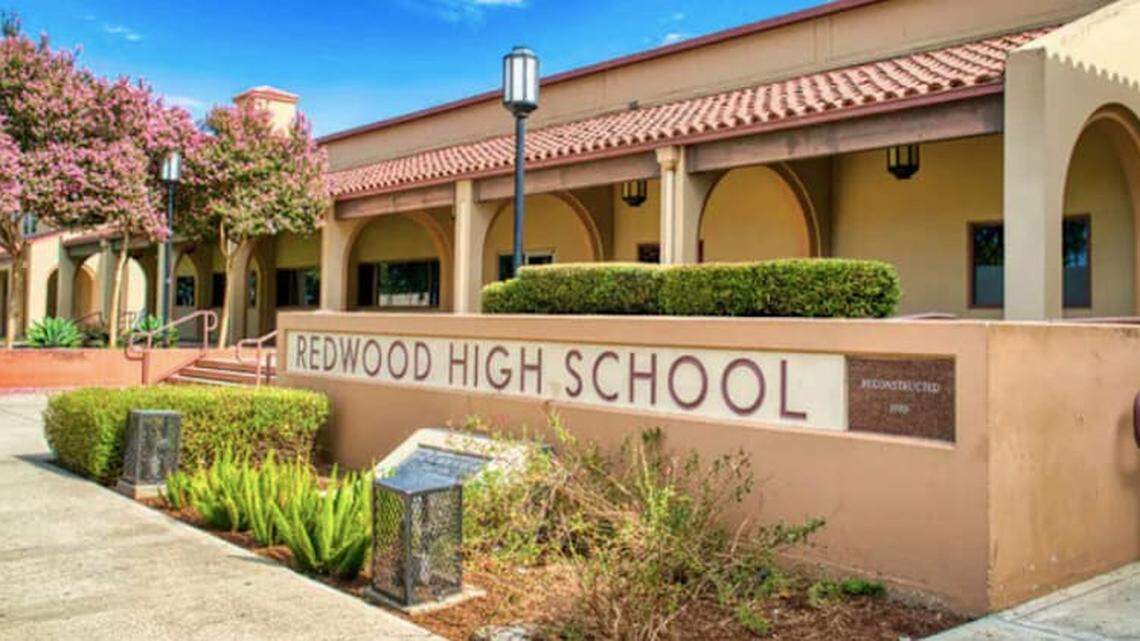
The photo in question showed a group of ASB seniors who initially posed in their gymnasium in shirts that were meant to read “ALWAYS LEGIT, CLASS OF 2026.” After the official senior photo was captured, a group of students rearranged the letters and a number to spell out a derogatory term targeting LGBTQ+ people.
This was not a spontaneous outburst of malice. No infant wakes up in a crib and learns their letters by forming slurs. Human beings are not wired for hatred at birth; we are wired for connection, curiosity, and community. Hatred–especially targeted, identity-based hatred–is something that must be taught, over time, through example, through silence, through cultural tolerance of demeaning language.
Given this understanding, should the students involved be punished? I believe the students should be held accountable. According to district officials, disciplinary measures have been imposed in line with the school’s code of conduct. While the specifics have not publicly been disclosed, consequences for hate-motivated behavior under policy and state education code can include suspension or expulsion. Accountability matters, not just for punishment, but for learning.

Yet individual punishment can only go so far. We focus on consequences for the offenders, but shouldn’t we also scrutinize the environment that shaped them? Did the adults in these students’ lives ever challenge wrongdoing? Did they teach the ethics of basic respect? Did they reinforce the truth that every identity deserves dignity? If the answer is silence, we see the harm that these neglectful ways cause.
It is worth noting how students at Redwood High responded after the incident. Some uninvolved seniors recognized it as a poor choice. Others expressed concern, not about safety, but about feeling unheard, unseen, and oppressed in their own school community. “I don’t think their concern is physical harm,” one anonymous student told reporters, “but more of just not being understood or heard.”
This tells us something important: the harm of a hateful act isn’t only in the words themselves, but also in the psychological impact on those targeted. When students feel unsafe or diminished because of their identity, the school, a place that should nurture growth, becomes a site of harm.
Some have also pointed out that backlash against the students involved has spread to their families, with threats, doxxing, and other harsh actions; this highlights how complicated and messy the culture around incidents such as this is. At what point do we become no better than the offenders?
The bigger point here goes beyond Visalia. Across the world, we see similar incidents where young people replicate the patterns of prejudice they’ve absorbed–whether from home, entertainment, politics, or social media. These are not innate reactions; they are reflections of what has been taught, tolerated, or ignored.