
In this day and age, catching up to a trend even a day late might mean you’ve fallen behind the rest, at least for most Gen Z’s. You might buy something you saw your favorite influencer wearing… and so might everyone else! And just as that item is gaining popularity, everyone suddenly turns their back on it to buy the same thing but from a different brand. But why? How is it that in the past these trends used to last for years, like the flares from the early 2000’s or the high arched, clean cut eyebrows from the 2010’s? The reason is social media and our new digital age. Apps like TikTok, Instagram, and Pinterest can create and instantly replace micro-trends, mass-produce them with fast fashion, and pay Influencers to brainwash their audiences into buying something they don’t even need! Social media is fundamentally changing how fast trends come and go, and it’s costing us more than we realize.
 Social media apps are what feed into microtrends. Short trends that gain popularity overnight cause an item to sell out overnight and then instantly go out of style. This process lasts a couple of weeks to a year or two at most. A prime example is the Stanley-to-Owala transition. Stanley’s began gaining popularity at the beginning of 2023. They were what everyone was buying; they gained popularity on TikTok for their unique, classy look and would get sold out in pretty much every color. You could get them customized and even buy limited edition bottles! But at the beginning of this year, a certain water bottle took its spot. Owalas. Their cute designs, quirky color combos, and practical design took over TikTok, and that’s all it took for people to forget about their Stanley. Social media apps offer advertising products to their consumers, which often leads to overconsumption.
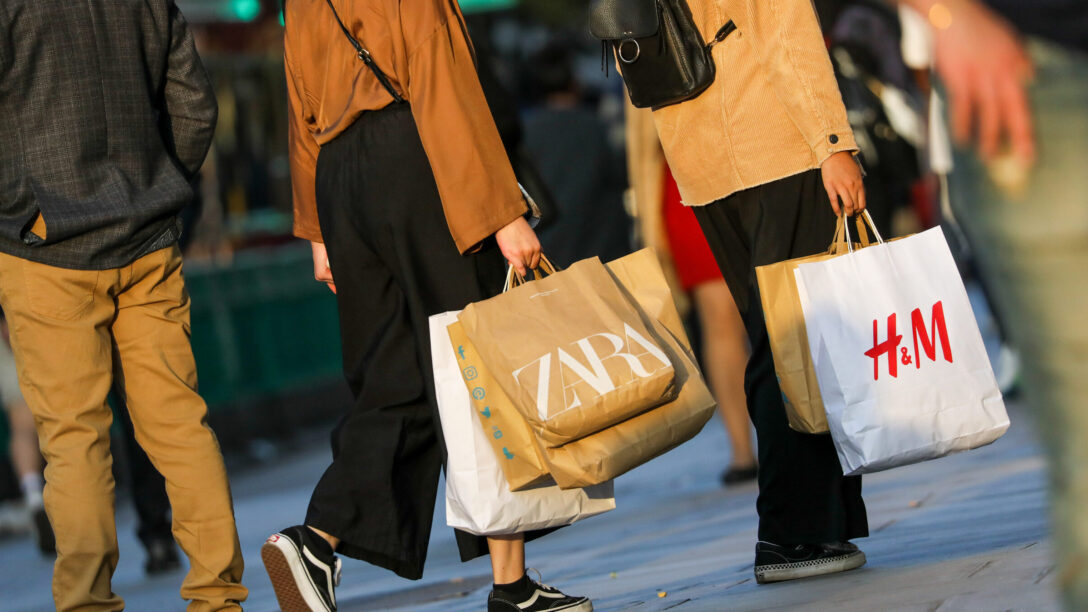
However, this overconsumption doesn’t only apply to water bottles; it also applies to clothes, and it is only made possible by fast fashion. Brands like SHEIN and Zara rely on underpaid workers to mass-produce cheap clothes at lower prices. This is why demands grow. Websites like SHEIN add thousands of new items to their sites every day. No seasonal collections. No limited editions. Something new is available every single day. If a top goes viral and is slightly expensive, these brands will immediately release a more affordable version, which people are more likely to buy and dispose of quickly, then jump onto another trend soon after.

Fast fashion doesn’t stop at these brands, though. Brands like Hollister and Lululemon are quick to hop on and even create trends. But that credit goes to influencers. Teenagers of this generation are more likely to buy products they see endorsed by famous influencers. Fashion influencers get paid by these brands to advertise and sell their products, and they constantly promote new products to create content that gets them higher in the algorithm.
Social media heavily influences what we buy today and how we use it, even if we don’t necessarily need it. So the next time you’re buying something, ask yourself, Am I buying this because I need it?