
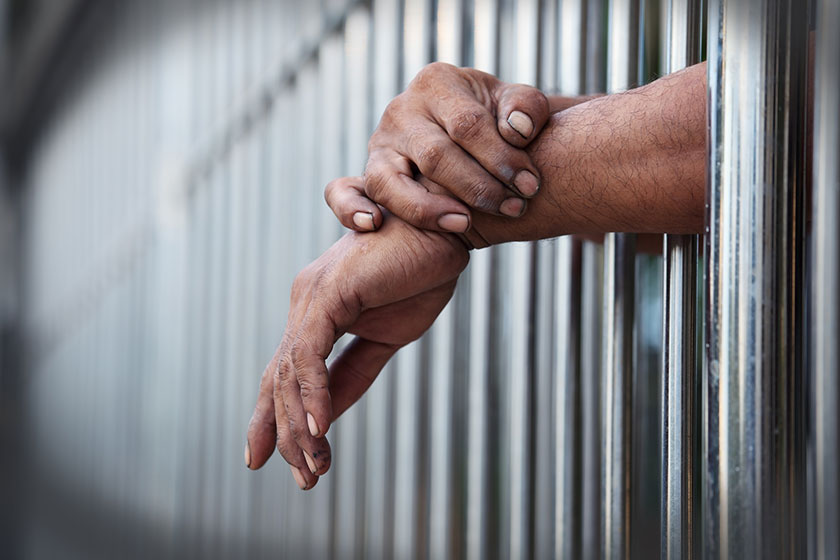
To be labeled a prisoner and undergo the extent of the consequences in the United States is not a pleasant position, not like it’s designed to be. Incarceration is obviously not created with the ideal of “fun” as a goal; however, problems with the judicial system are surfacing, making the experience even less thrilling for both jail personnel and communities outside.
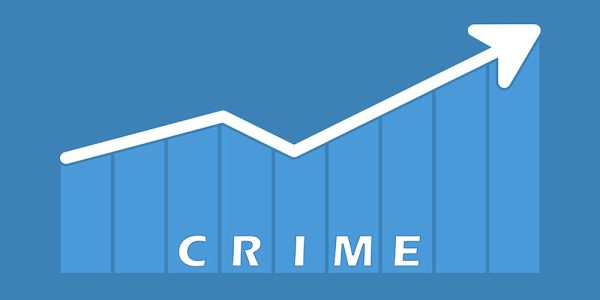
As of the United States in the year 2026, “The issue of prison overcrowding in the US has become a critical concern that reflects broader systemic issues within the American criminal justice system. As the numbers swell, the consequences of these overpopulated prisons in America are severe, impacting not only those incarcerated but also the broader societal structure”. This trouble isn’t necessarily new. Since the 1950s, crime rates in the United States have been trending upwards. raises the question of whether jail time is an appropriate punishment.
Morally speaking, what is justice? Justice, as defined by Merriam-Webster Dictionary, is “the process or result of using laws to fairly judge cases, redress wrongs, and punish crimes”. But on a more moral level, is punishment really the best outcome for people who commit wrongdoings? Do long periods of incarceration, inhumane acts like solitary confinement, really help society as a whole? The number of criminals in the systematic programs disagrees. Throughout our nation, the most common crimes being committed resulting in prison are a variety: violent crimes, drug usage, theft, robbery, and/or/and motor vehicle theft. But despite how different these crimes are, with various motives behind them—some of which may twist opinion on things—the punishment is unaltered: fixed. Prison for up to lifetimes or decades, and in severe cases, the death penalty.
Motives behind these crimes can be “factors such as poverty, family dynamics, peer pressure, and substance/alcohol misuse are seen as significant contributors.” Rather than assisting the people of our nation to become better through rehabilitations, preparations to return them into society as a better person through a holistic, multifaceted approach focusing on education, employment training, mental health care, and community support to reduce recidivism; or just skill set training in general to build key mastery of objective achievements to help them be greater individuals than they were before; to become someone that contributes to society. Because, in the long run, excessive jail time does harm. A lot of money is diverted to prison funds because they are, by federal law, required to provide shelter, nutrition, and protect basic human rights. Since a large number of crimes are committed due to poverty, tackling the trouble at its roots can show more significant results.
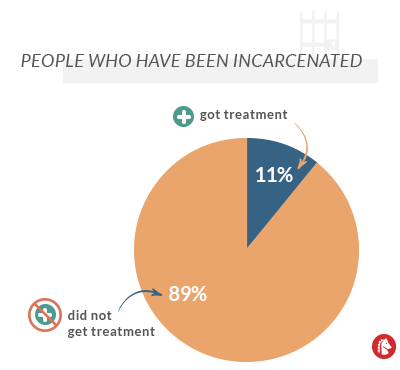
In the end, with funds diverted away from healthcare, education, and infrastructure towards the criminal punishment systems, the long-term instability jail causes, and the potential that people leave more dangerous than they came in, and many more possibilities, render the justice system immoral. Rather than preparing for them to become better human beings, we are wasting resources and giving up on those who are mentally ill, or committed crimes due to reasons like poverty, or even rage at the injustice demonstrated by the American Justice System. While the government claims to have the citizens’ best interests at heart, the outcomes show more than just words, proving the system aims for punishment rather than rehabilitation, which should be the main goal.