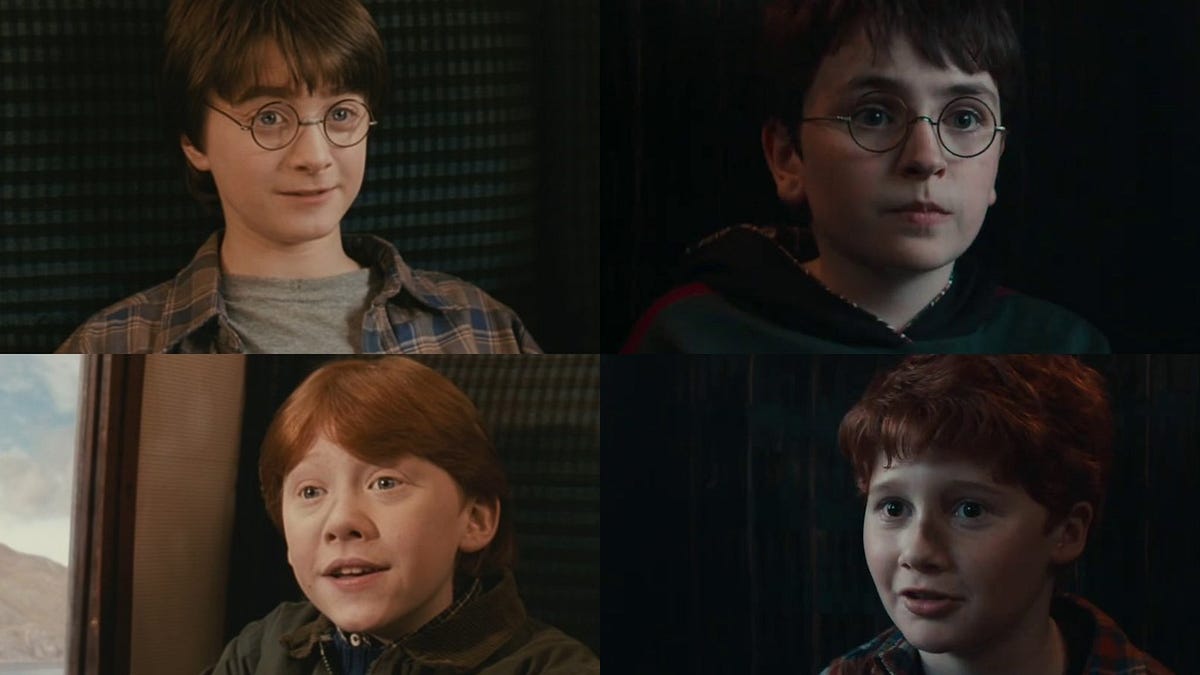

There’s nothing quite like seeing the first hints of an addition to your favorite show or movie. Whether it’s the next season, a sequel movie, or a crossover into another production. On a bus stop bench, a billboard, an Instagram feed, or even worming its way onto Spotify through podcasts and soundtracks. It always catches our attention and sets our sights on that release date. With many big productions, the build-up to the premiere is almost as important as the films themselves, if not more so. Those in charge of building a following definitely manage to spread the word, but is it over the top?
Bridgerton’s Release Makes a Bang
Just this past week, Bridgerton dropp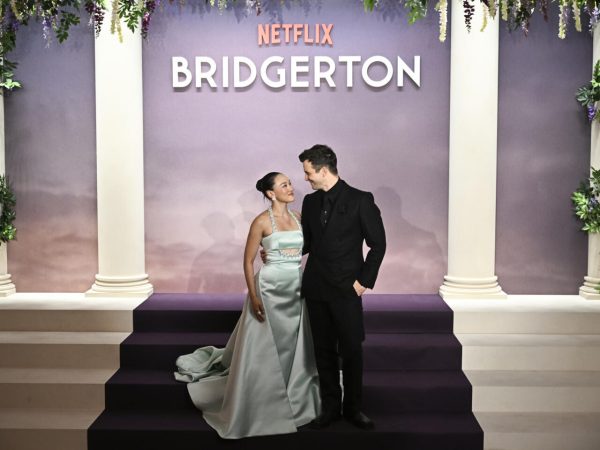 ed the second half of their fourth season, and were met with excitement and enthusiasm from a number of fans. Both before and after the season started, college sophomore Nathalia Franco referred to Bridgerton as “amazing, no notes.” The fan-favorite only built anticipation and set their expectations high, and luckily, they followed through. The passion the fans brought when they finally pressed play was encouraged and nurtured long before the release, however. Through marketing campaigns and numerous partnerships, the crew behind this well-loved romance series drove about 300% more search volume on Google than they had at the start. Bridgerton took its season premiere to Paris, playing up its “Season of Love” angle well, and expanding their European audience at the same time. We’ve seen what happens when a franchise puts its name out there and does it well, especially with the quality to back it up. But what about when it doesn’t?
Stranger Things’ Countless ad Deals
Unlike Bridgerton’s fourth finale, Stranger Things’ final season is widely summarized as a major flop. We all want to know exactly what went wrong there; the disappointment surrounding that final episode’s release may have something to do with the extreme effort put into advertising and drawing attention. In terms of ad deals, however, companies have been utilizing Stranger Things to push their products for nearly a decade. From the iconic, obvious appearances of Eggos and Coca-Cola in nearly every episode to background mentions of Target, advertisements have been a consistent presence in the franchise since day one.
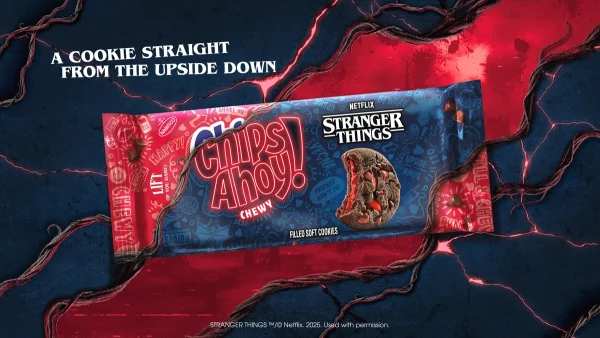 Products and brand deals have become so common in Target and Hot Topic that they aren’t even questioned anymore. Most fans see the offered discounts as an opportunity, and many see their wallets lighten rapidly in a film’s season of popularity. Others, however, think these big productions may be pushing their luck. “I feel smothered,” Nkem says when asked about the amount of advertising put out for Stranger Things. This can be more of a byproduct of American culture than of the television programs themselves. America is at the top of the charts for sheer advertising volume compared to anywhere else in the world. Overall, marketing a show has begun to feel more pushy on audiences, as trinkets and screaming billboards seem to be everywhere in a constant bid for attention and money. It’s easy to get overwhelmed by the flood of things and brand names that often have little to do with the show itself once you finally get around to watching it. The best we can do in a world of sellers is just calculating how much we really want something random during a short-lived season of mass consumerism.