February 28 – March 1, 2026: The Opening Salvo
Israeli–US Attacks
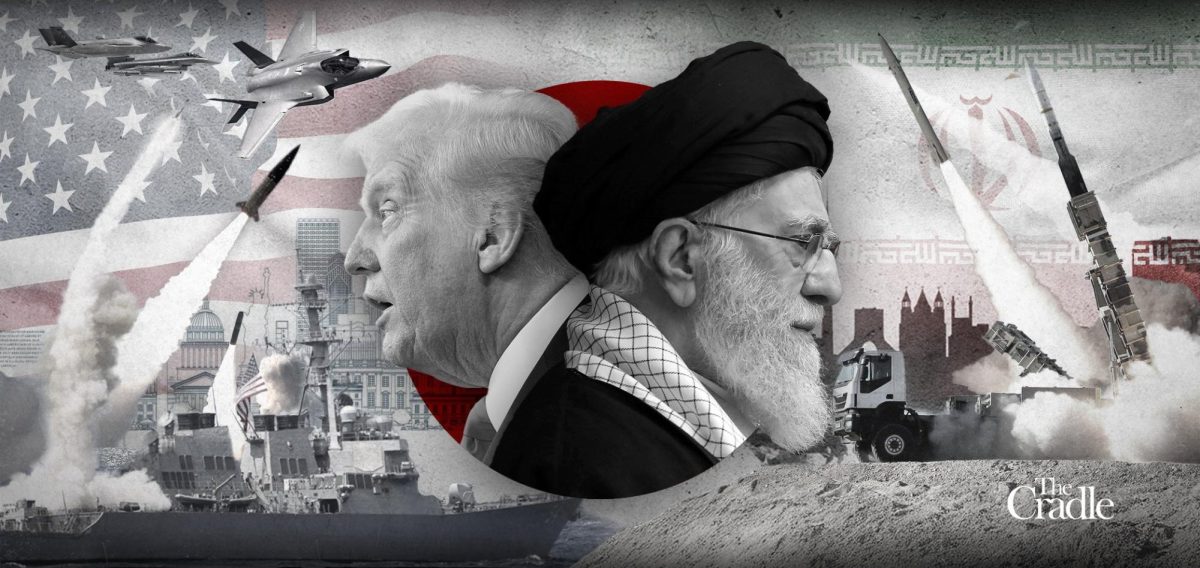
On February 28, 2026, President Donnaled Trump commissioned the launch of Operation Epic Fury, a military campaign to eliminate the imminent nuclear threat posed by the Iranian regime. Sen. Tom Cotton on State of the Union stated this action as, “I haven’t heard a single Arkansan express anything but unqualified support for President Trump and for his decision to finally put America’s foot down and end 47 years of terror and revolutionary violence by 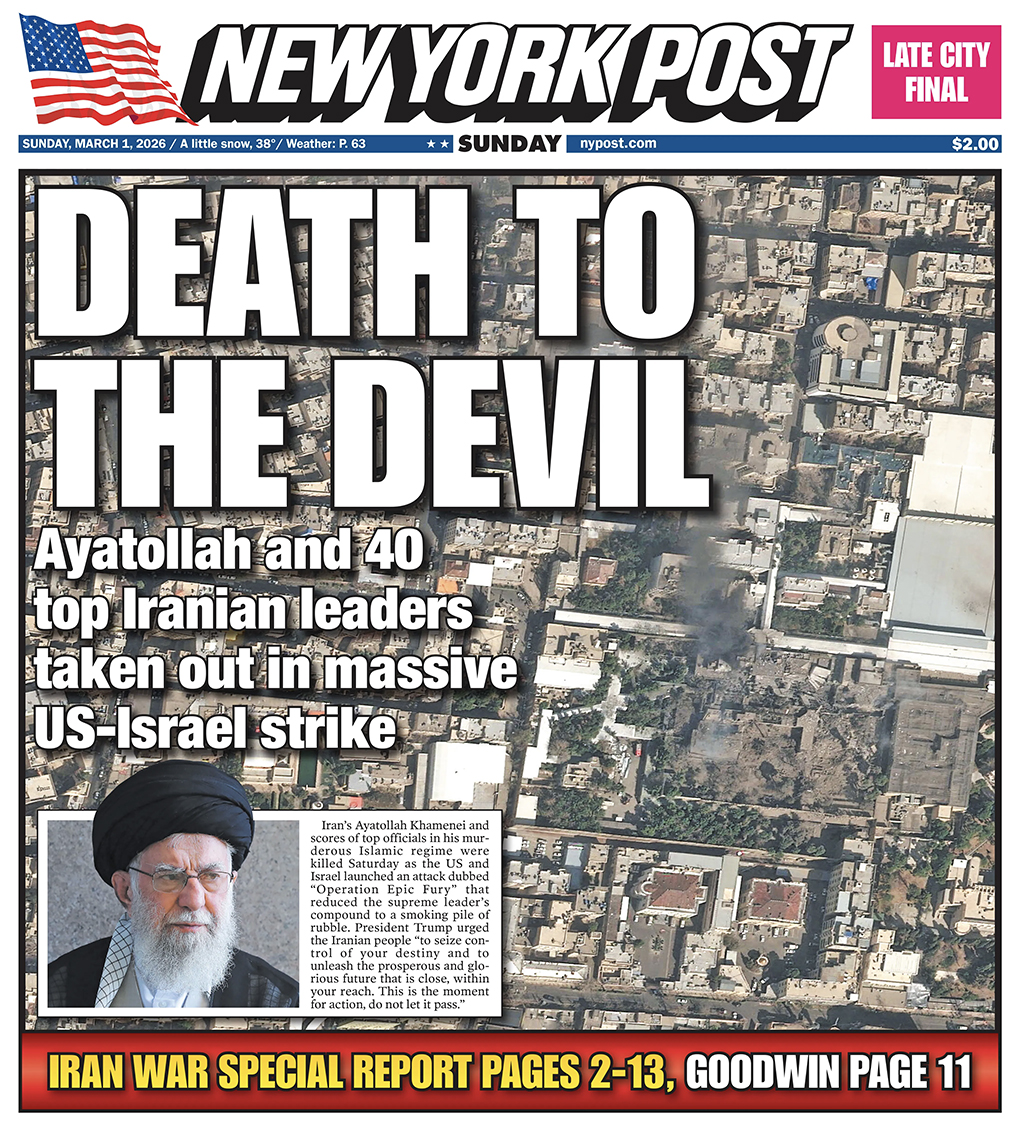 the Islamic Republic against the United States and our citizens.”
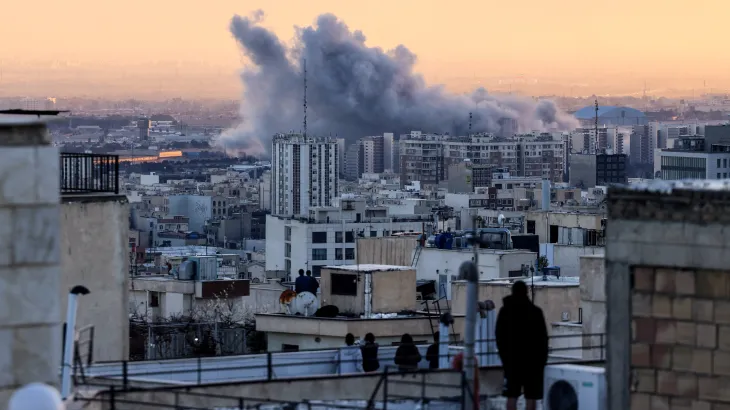
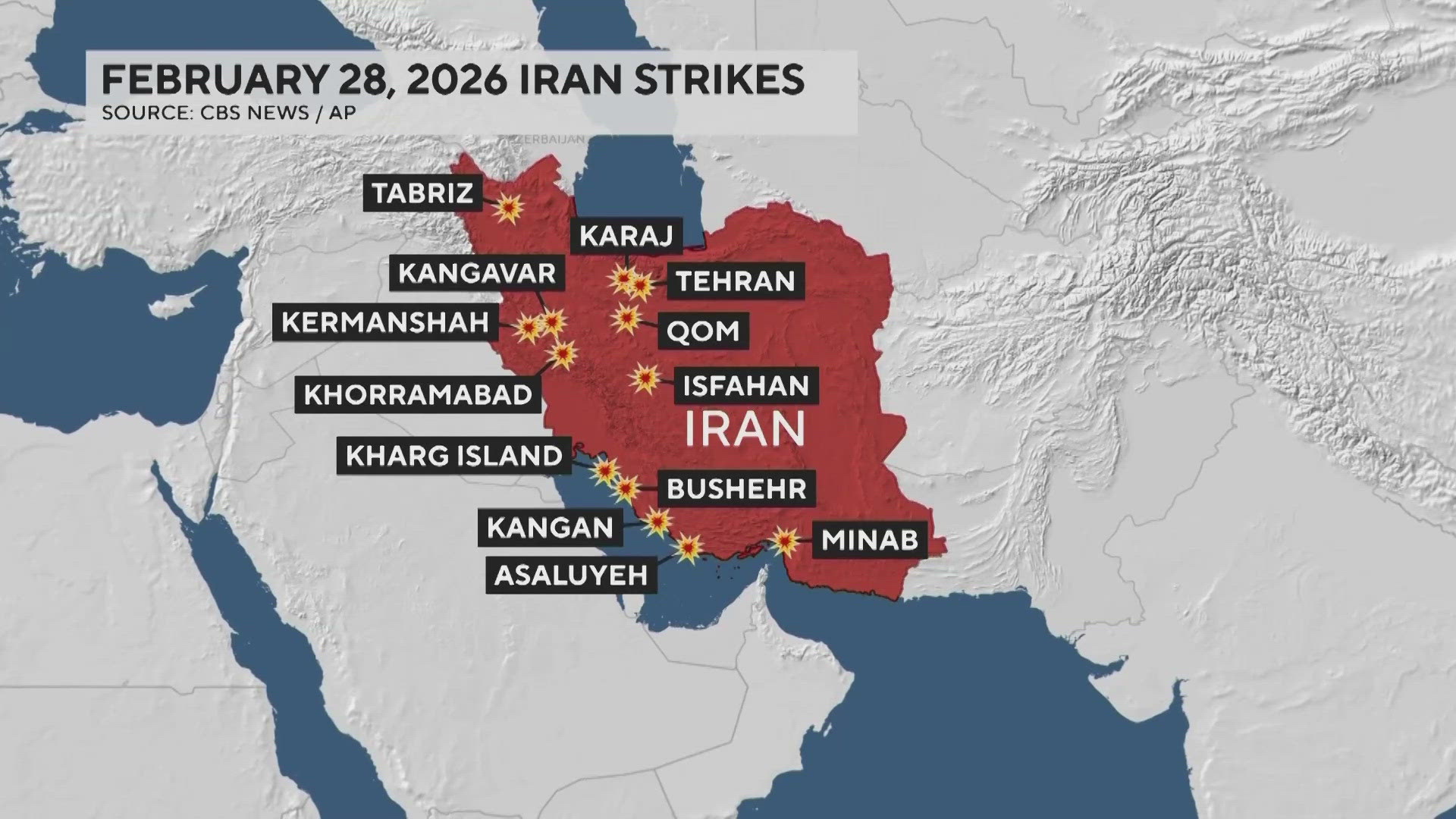
The United States and Israel conducted many extraordinary strikes against targets of Iran. US warships launched Tomahawk missiles, while the US Army shot HIMARS launchers through the sky, locking in to key targets and military positions. Simultaneously, B-2 stealth bombers and B-1 Lancers flew into Iran to strike missile facilities, as well as many military installations and nuclear sites.
6:45 AM in Coordinated Universal Time, the Israeli Air Force conducted large waves of missiles and strikes towards many Iranian officials, killing the supreme leader, Ali Khamenei, and many of his family members, as well as several high Iranian officials. These distractions reportedly resulted in significant political instability and disrupted military operations during the conflict. This moment marked the beginning of the 2026 Iran war, enabling a period of violence and destruction between many countries.
Iranian Attacks
In retaliation for the Israeli–US strikes, Iran took matters into its own hands; Iran then launched a large-scale attack involving ballistic missiles and unmanned aerial systems towards Israel. Several Gulf states, such as Bahrain, Iraq, Kuwait, Oman, Qatar, Saudi Arabia, and the United Arab Emirates, were significantly affected by these attacks.
Iran’s missiles struck down many US military devices, like the MQ-9 Reaper drone, as well as in places like the Port of Jebel Ali, Dubai, with many witnesses seeing smoke and dark plumes in their area. Many ground-level impacts cause many deaths from the bombings. This includes a strike on the Shajareh Tayyebeh girls’ elementary school in Minab, resulting in approximately 180 deaths.
Iran’s involvement in civilian areas intensified the war in the surrounding countries. Casualties in populated regions raised questions and concerns about the defense systems of many other countries. Furthermore, the disc created significant fear and tension on the international stage.
March 2 – March 16, 2026: Escalation of the War
The conflict between the US, Israel, and Iran rapidly escalated into significant casualties, airstrikes, and involved multiple countries in the war. The United States and Israel launched many more attacks on Iran, causing many more deaths, such as reports of 555 killed in the Iranian Red Crescent. Additionally, many large-scale airstrikes that targeted nuclear facilities, military bases, and government facilities caused many reported deaths among many Iranian government officials, including the Iranian Supreme Leader’s wife. In response and retaliation, Iran launched missiles and drones against Israel and the U.S. military bases.
Iran also hit places such as the UAE (most notably Dubai Airport and the fire at the Burj Al Arab hotel), Saudi Arabia, and Qatar. Soon, began to expand across nine countries, including the US and Israel, destroying many Iranian government technologies and sites. This resulted in Hezbollah launching attacks from Lebanon, causing bombings in southern Lebanon and Beirut. This expansion of the war reflected the region’s historical conflicts.
Beyond the war, global trade was disrupted, and gas prices rose significantly due to demand for war materials. As a result, global oil prices rose, contributing to inflation and economic instability worldwide, including in Europe and Asia. The United States increases its military presence and employs aircraft as additional military help for Israel. At the same time, the United Kingdom intercepts drones and prepares its defenses in case of further threats.
These tensions increase the humanitarian impact, with hundreds of Lebanese casualties among people and military personnel. By this time, the war has threatened both countries, military personnel, global energy, international security, and raised fears on the borders. The escalation of the war highlighted the border conflict, creating fear and stricter protection for many countries.
Impacts of the War
The Iran war has created a global crisis across economic, humanitarian, and security dimensions. Oil prices and gas markets are becoming unstable and rising, with many markets reacting in fear of supply disruptions. As well, financial markets, such as global stock markets, have been dependent on trade; however, the war has decreased global trade and the economy. Because of the airstrikes between the US, Israel, Lebanon, and Iran, large numbers of civilians and thousands of casualties were killed in the first days of the war. Additionally, there has been significant damage to architecture and infrastructure, leaving housing, hospitals, and utilities unavailable, as reported by The New Humanitarian, while turmoil has spread throughout many European countries. In the US, there is uncertainty about economic collapse and political instability, with many states and countries affected by the crisis, and energy crises elsewhere. As the war continues to escalate, many concerns and uncertainties remain, and time will reveal the outcome of the war.
The 2026 Iran war marked a turning point in regional and global conflict, transforming international tensions into open conflict and violence. This led to significant economic, humanitarian, and political consequences in countries at war, as well as in many surrounding Gulf countries and European states. The conflict illustrates how warfare is globally connected. These situations in the war had long-term impacts on international relations and the global economy, creating fear and instability in many areas due to the consequences of escalation in an interconnected world.