Did you know that AI, also known as artificial intelligence, is actually mostly used by teachers, not students? Many teachers have been using AI for grading, creating assignments, and receiving feedback on their instruction. The 2024-2025 school year marked a rapid growth in the use of AI. In 2025, 54 percent of students and 53 percent of English language arts, math, and science teachers reported using AI at school. More high school than middle school students have reported using AI for school. 61 percent of parents, 48 percent of middle school students, 55 percent of high school students, and only 22 percent of district leaders agreed that greater use of AI will harm students’ critical-thinking skills. Half of the students said that they are worried that they will be falsely accused of using AI to cheat.
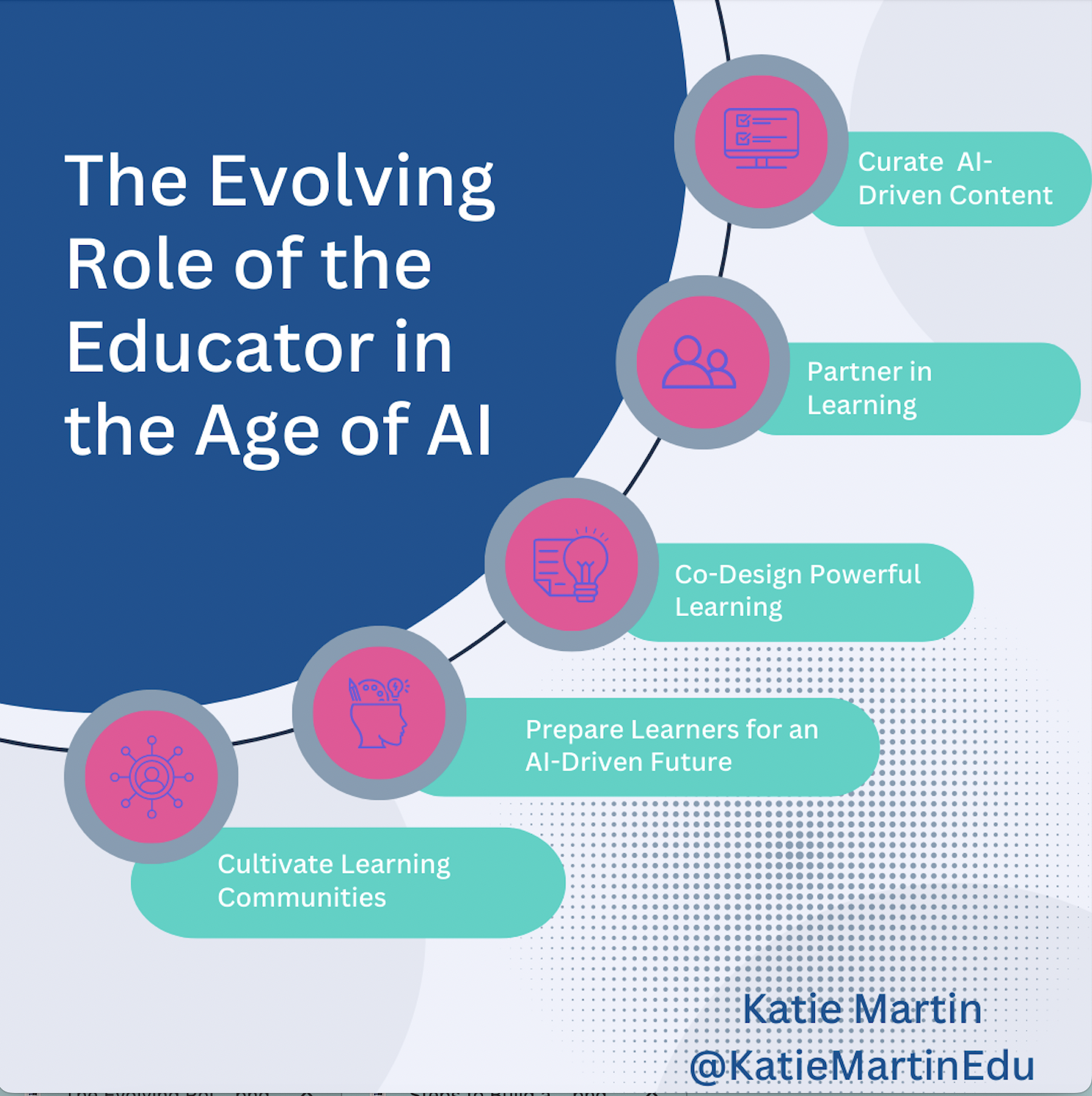
Many teachers at our school, Santiago High School, also use AI. Over my four years here, I have seen teachers use AI for a variety of purposes, such as creating lesson plans, creating lessons, grading, and checking whether they used AI. I think it is okay and a good, efficient way to get things done. However, it should be used in moderation. We do not want AI doing everything for us; we still want to have some creativity in us as well, so we can grow as a society. Also, this could be an issue if the AI the teachers use to check whether the student used AI makes a mistake, leading to a false accusation of AI use. This can be prevented by maintaining a verifiable paper trail by using platforms like Google Docs or Microsoft Word to show version history.
States and other trusted sources should provide guidance on what effective AI policies and training look like. This should be regularly updated and communicated as AI technology continues to advance. This guidance from school district leaders should specifically distinguish between the two use cases and explain how to avoid the former while encouraging the latter. There needs to be clarity between students and teachers on what counts as cheating with AI. School district leaders should create coherent policies on AI use and train teachers and students to use AI productively. All of this is very important so that we continue to use AI only in moderation and do not allow it to take over everything. AI should be helping us, not doing things for us.

AI will most likely continue to grow in schools as technology advances. As a result, both teachers and students need to learn to use it responsibly. Rather than banning it completely, schools should focus on teaching students how to use it as a learning tool that can help them get smarter and do better work. When used correctly, it can help explain difficult topics, organize ideas, help study, and support teachers in their work. However, it should never replace a student’s own thinking and creativity. If we set clear guidelines and encourage responsible use, AI can help improve education.