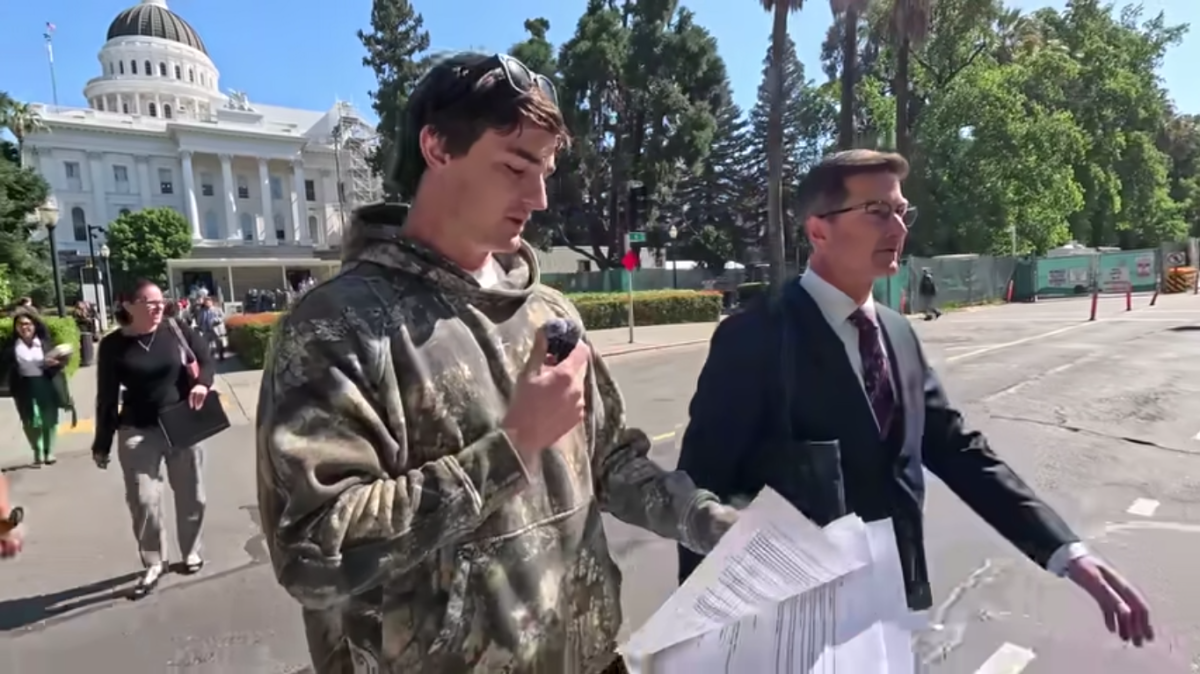
Social media and news channels share something new every day, but it’s hard to tell what’s true or false. The younger generation has TikTok, Instagram, and X, all filled with opinions from many different people. I have seen high school students back up their arguments with TikTok videos or Instagram posts from influencers or celebrities, but they do not fully understand what they are reading.
Many people, not just high school students, hear someone’s opinion or theory and, because they like how it sounds, take that side without knowing whether what they are saying or supporting is true.
Not only are social media platforms filled with toxicity, but so are some news channels. It’s hard to comprehend why people would make stories twist into very wrong versions of themselves. Fake news takes away people’s knowledge, twisting their minds into thinking there is no other right opinion on something.
Misinformation spreads rapidly through social media via share buttons, and many people contribute to it. 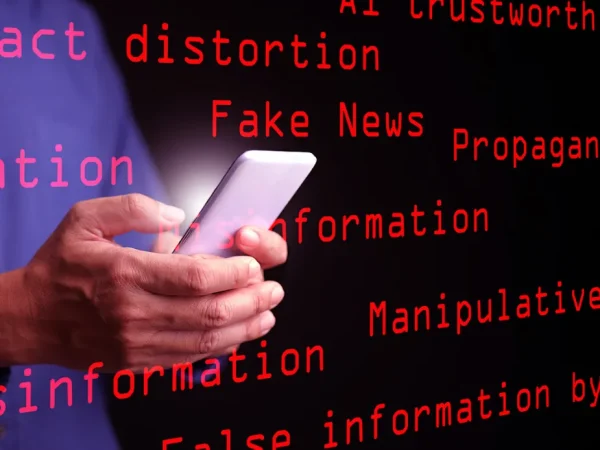
You may be wondering what misinformation is; it is false or misleading information. The news deals with the rapid pace of information being thrown at them, and they broadcast it to get it out, but a lot of the time, stories are told very differently from how they actually are.
If someone sees something that applies to them, they share it, and it spreads, but they often will not do the proper research. “ Exposure to Misinformation increases the odds that people will believe it.”
If you use social media, you have an algorithm, and if you like something more, more will come up like it, so if you like a video, your for you page will be covered in that topic.
Bias is huge in our generation, but building bias with fake news is not the way to go.
When we see a heavy news piece, our minds go to bad or good, but we forget how important it is to evaluate what we are reading. Does it make sense to you?
Not only does misinformation come from news and social media, but AI is also one of the biggest contributors, telling people the farthest answers from the truth with just a click. Not only is it harming our minds and understanding, but it can also pose a danger.
There are rumors about health, politics, people’s personal lives, and Dr. Rachael Kent, a senior lecturer in digital economy and social education, had this to say – 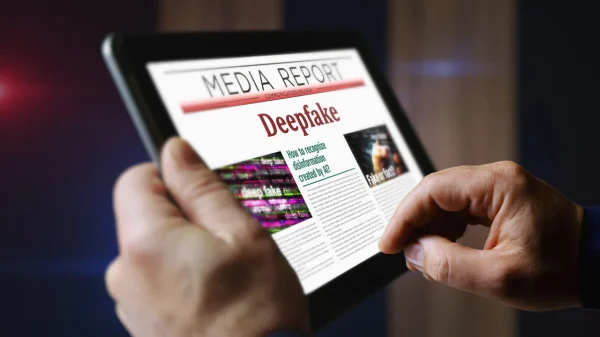
“Misinformation created by social media influencers is spreading, and this isn’t just a random trend – social media platforms [are becoming] unregulated public health platforms. They influence what users see and believe about health, but unlike public health institutions, they’re not bound by standards for accuracy or harm reduction. The consequences can be serious.”
As I mentioned before, it affects not only you but also the people you share it with, because the more it is shared, the faster it spreads. Dr. Jon Roozenbeek said, “Fake news thrives on its virality. People believe it and spread it, infecting others.”
Be Careful with what you believe and share.