
AI is rapidly becoming a major part of social media, schools, jobs, and even the government. Since the release of ChatGPT in late 2022, AI has been running rampant, and as it continues to develop, it becomes more knowledgeable and more powerful. As it becomes more powerful, the sky is the limit for what it could do. At some point, the government needs to step in and create regulations that make it easy to identify AI content and protect people’s privacy.
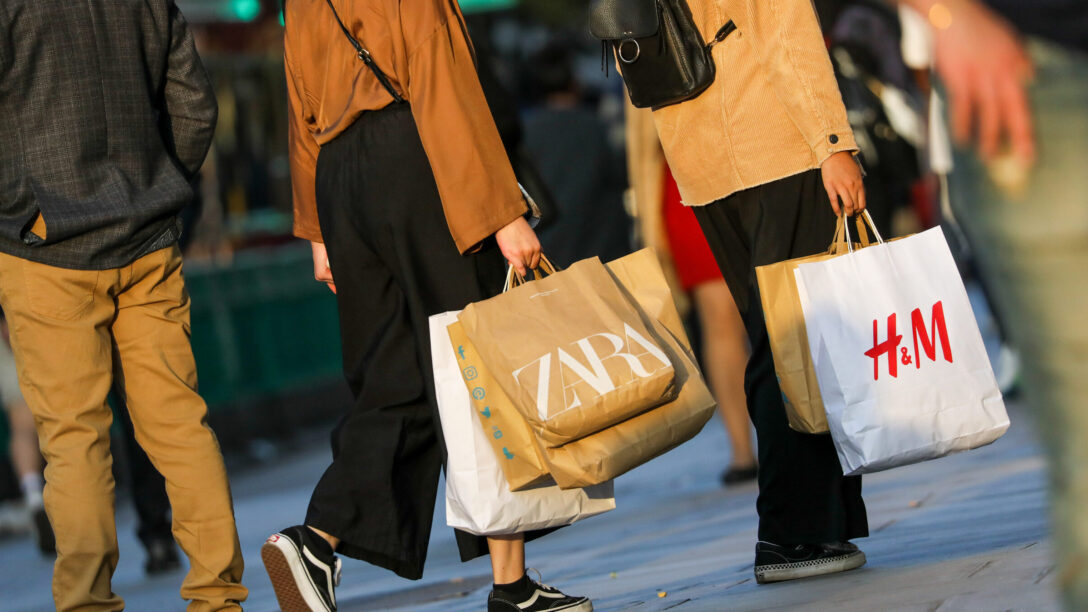
Artificial intelligence is rapidly growing and has been implemented in many different ways. AI chatbots like ChatGPT, Claude, and Grok have been among the most popular among the public. Other companies, like Tesla, have utilized it for self-driving cars, with varying degrees of success. Other companies, like Palantir and IBM, have also controversially employed facial recognition software used worldwide. Companies are all trying to ride the artificial intelligence wave, and this affects everyday people and students. In the average person’s life, it is extremely hard to avoid all AI as it becomes integrated into society.
While AI can have positive effects, it is also heavily flawed in many ways. One major concern of AI is privacy. There are many concerns about whether our personal information is being fed to AIs for training, and what information they collect when they are used. In this day and age, everyone’s personal information is at risk, but AI significantly increases that risk. Government regulations should be able to limit what AIs are trained on and what information they can use based on conversations.
Maybe the most important negative of AI is the potential for misinformation. In a BBC study, about 51% of answers from ChatGPT, Copilot, Gemini, and Perplexity had “significant issues of some form”. The responses often contained facts that were outdated, misleading, or simply wrong. For example, both ChatGPT and Copilot said that Prime Minister Rishi Sunak and former First Minister Nicola Sturgeon were still in office after they had left office. This is a major issue because it shows how untrustworthy it is. Especially given how many people have begun using AI as a learning tool, the spread of misinformation is a major problem. Another source of misinformation from AI is videos and pictures. Currently, AI videos can be used to create fake images, videos, and voices. These videos have become extremely realistic and hard to distinguish from real life if you don’t know what to look for. Tools like deepfakes can make it look like people are saying things they aren’t, leading to widespread misinformation. These deepfakes are extremely realistic, and people are already using them to run scams. In Hong Kong, a deepfake was used to impersonate the CFO and get an employee to send 25 million dollars to them. One popular idea for regulating this is to require a label on any AI-generated images and videos. This would help prevent vulnerable groups from being duped by AI media and limit the effectiveness of these fake videos.
.png?width=1920&height=1080&name=ORIGINAL%20(3).png)
Another public safety threat from AI involves possible hacks. A new AI called Claude Mythos specializes in finding weaknesses in cybersecurity systems and breaking into systems. This puts all private information online at risk of being hacked and released. This is just one possible use of AI for cyberattacks. There are a lot more cybersecurity concerns related to AI. AI could also be putting our physical well-being at risk. Things like self-driving cars that rely on artificial intelligence put a lot of pressure on a potentially flawed system. In just 11 months, there were 367 car crashes involving self-driving vehicles. These instances are also very complicated because there are no regulations governing who would be held liable in such cases. The government needs to step up and implement regulations to ensure the responsible party is held accountable in the event of an accident.

Overall, the artificial intelligence wave holds too much power for the government to allow it to run free. With misinformation spreading and public safety concerns, the government needs to step up and require AI companies to be transparent about their products for the public’s overall safety.