
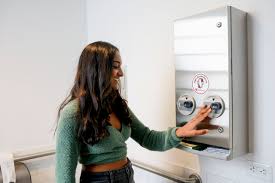
Many students walk into school each day worried about tests, homework, and other responsibilities. But for some girls in California high schools, there is another source of stress that often goes unnoticed. That is not knowing whether menstrual products will be available when needed. Even though California law requires public schools in grades 6-12 to provide free menstrual products in school bathrooms, many students still report empty dispensers or no  products at all. This issue may seem small to some, but students who experience it or lack the funds to bring their own supplies can lose the ability to focus in class or attend school comfortably. Senior President Angela Lopez, when asked what her opinions are on the lack of menstrual products in high school women’s restrooms, says, “You never know what someone is going through and what their financial situation is, and young female adults at this school may not have access to things that are so crucial to living a comfortable life.”
Why It Actually Matters
Menstrual cycles are a normal part of life for millions of students. No one chooses when they happen, and students should not have to feel embarrassed or unprepared because they cannot access basic hygiene products at school. For some girls, forgetting their products can quickly become a stressful situation. They may have to ask a friend for help, miss class while searching for supplies, or sit through the school day, feeling anxious and uncomfortable. Another high school senior at Santiago High School, Maeghan O’Hara, says, “Female products definitely should be accessible in a school bathroom, and the fact that it is not shows a lack of awareness.”
In some cases, students may even leave school early because they lack what they need. This is where the issue starts to affect more than just the teenage girls who deal with it. Attendance is very important to schools for many reasons. Educating children is vital to our society, but attendance is also how administration and teachers get paid. This simple issue is starting to become a problem for students and staff. California created its menstrual equity law to help prevent  these situations. The law recognizes that menstrual products are necessities, not a privilege. Just as toilet paper and soap are seen. By requiring schools to provide them free of charge, the state aimed to make schools more supportive of all students. Unfortunately, even with laws being passed, many people still struggle to find products essential to a comfortable life as women. Alexander Helmuth, a male student at Santiago High School, claims, “What are we doing if we cannot fund necessities for half of the people who come to this school?” When many people of both genders are clearly upset about this situation, it raises the question of why schools may be lacking certain products to keep their students happy and comfortable.
Why Schools May Still Be Struggling
Although the law exists, implementation has not always been perfect. There are several reasons why schools may struggle to provide these products consistently, and understanding those challenges is very important. One of the 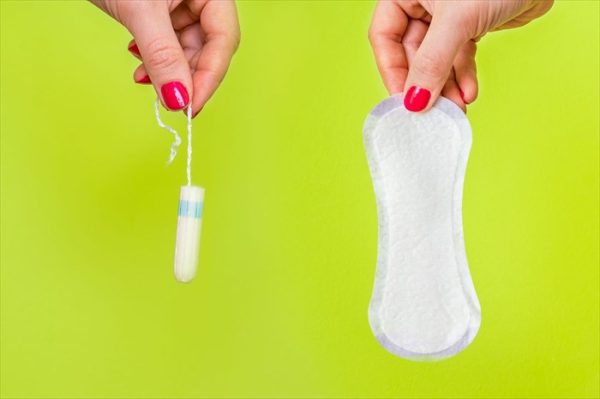 biggest obstacles is funding. Schools already face pressure to cover countless expenses, from classroom materials to campus maintenance. For example, Santiago High School just paid around $ 30,000 for plumbing issues caused by students. This is just one example of all the situations different schools have to deal with. So, although menstrual products may not seem expensive individually, keeping every bathroom stocked year-round can be costly, especially for larger schools.
Another challenge is maintenance and communication. Sometimes dispensers run empty simply because staff members are unaware they need to be refilled. Custodians and administrators often manage many responsibilities at once, and menstrual products may unintentionally become overlooked. In some schools, vandalism or misuse has also created difficulties, with products being wasted or dispensers damaged. While these situations can be frustrating for schools, limiting access entirely only creates more problems for students who genuinely need the supplies.
A Small Change That Could Help Students
This conversation should not be about blaming schools. Most administrators genuinely want students to feel supported. The goal is to bring more attention to a problem that affects students every single day. Something as simple as keeping bathrooms stocked can make a student feel more comfortable and less anxious. It may seem like a small detail, but small details matter when students are spending seven hours a day on campus. California already recognized the importance of menstrual equity by creating the law. Now the focus should be on making sure students actually see those changes in their schools. Listening to students and treating menstrual products as essential items could make a bigger difference than many people realize.