
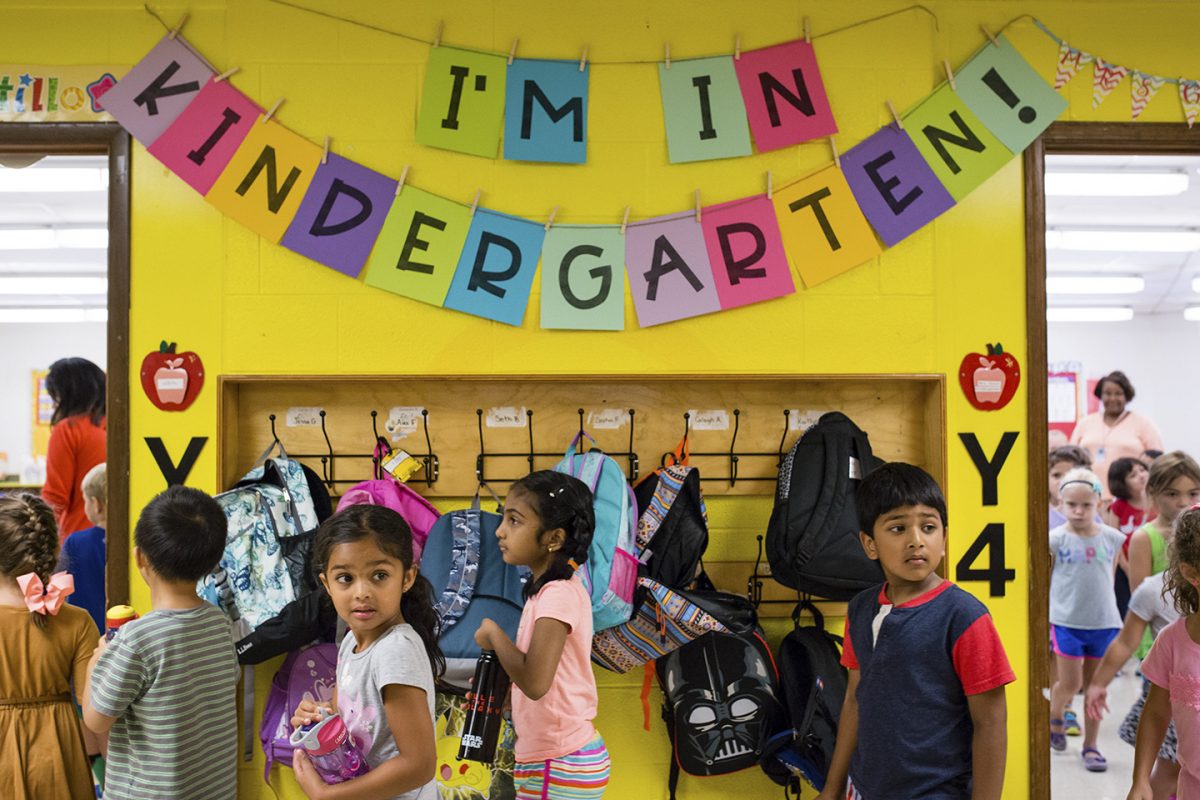
A kindergarten classroom should be full of chatter, questions, and laughter. Instead, many teachers say their students are barely speaking. Kindergarteners speaking less in class is becoming a serious issue because communication skills are essential for learning, confidence, and social development. Schools and families must take action now.
Why Does This Matter?
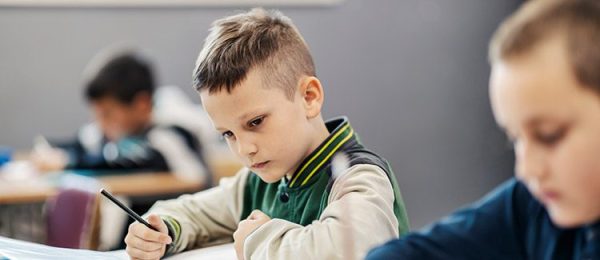 Young children need communication skills to succeed in school and life. Kindergarten is one of the most important years for social and language development. Children learn how to share ideas, ask questions, solve problems, and interact with classmates. Speaking in class also helps younger students build confidence. When students are too nervous or uncomfortable to participate in class, they may begin to fall behind academically and socially. Teachers often rely on class discussions to understand which of their students would need help with their communication skills. When the teachers have class discussions, they notice which students are very quiet and try to help them. I have a younger brother who, at first, was very quiet, and his teacher talked to my parents about his lack of communication in class. Throughout the year, thanks to his teacher and my parents’ efforts, my brother now has great communication skills and confidence. Communication is highly connected to reading, teamwork, and emotional growth. A child who struggles to express emotions or ask for help would later find difficulty expressing themselves. Several years ago, classrooms were so full of curiosity and chatter that every moment felt magical, and nowadays it feels as though that atmosphere has faded.
What Caused The Change?
I believe the possible explanation for this sudden change in the classroom is the lingering impact of the COVID-19 pandemic. When COVID-19 started, all of the students were to be in lockdown/quarantine. When we went into lockdown, all of us students stopped interacting with our classmates, relatives, and teachers, and we were forced to switch to online learning with limited social contact. Yes, technology allowed us to continue to learn academically, but it was not the same as face-to-face communication. The National Library of Medicine (NIH) stated that “All mothers reported that their children experienced a complete COVID-19-related closure of childcare or school at some point during the pandemic.” The National Library of Medicine also gave out an example of how the pandemic negatively impacted kids by stating “For example, Mother #5, who had left her employment to care for her daughter and support her online schooling, described the impacts on her daughter’s friendships with classmates, commenting, ‘[I] don’t think she really sees her classmates as friends as she would if she were in-person with them’.”
The growing silence in Kindergarten classrooms should not be ignored. Learning how to communicate is one of the foundations of childhood education, and these early skills shape students’ futures both inside and outside of school. If you have a younger sibling in kindergarten, talk to them at dinner. Ask them about their day in full sentences and wait for a full answer. It sounds small, but consistent conversation at home is one of the most powerful tools for rebuilding what the pandemic took.