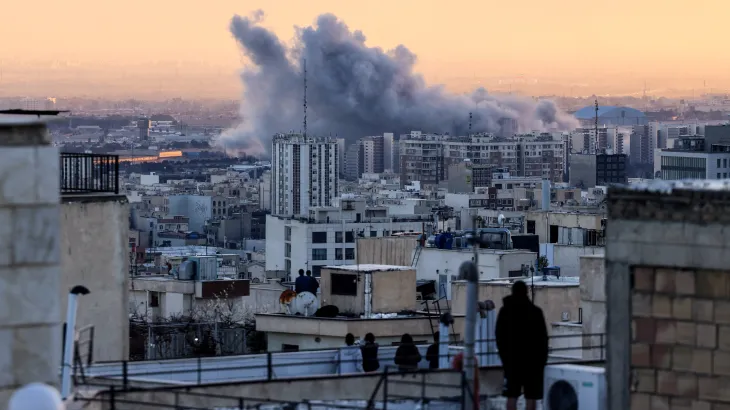
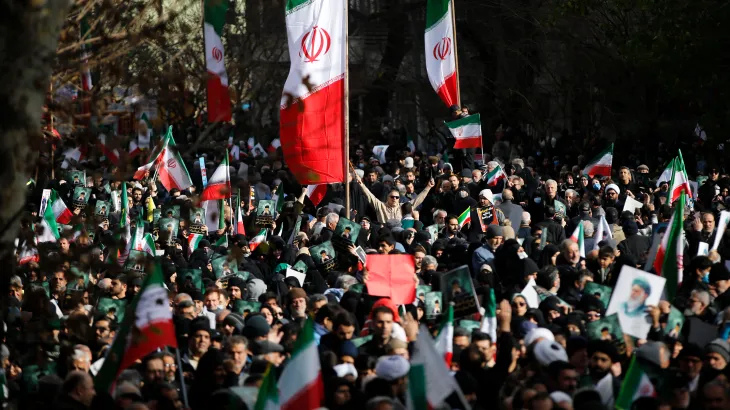
Since the incitement of anti-government protests in late December, the Islamic Republic of Iran’s latest state of discord has grown into the bloodiest domestic conflict it has seen since the Islamic Revolution of 1979. Thousands have already been killed, and many more arrested, inciting debates within the United States to decide upon a course of action.
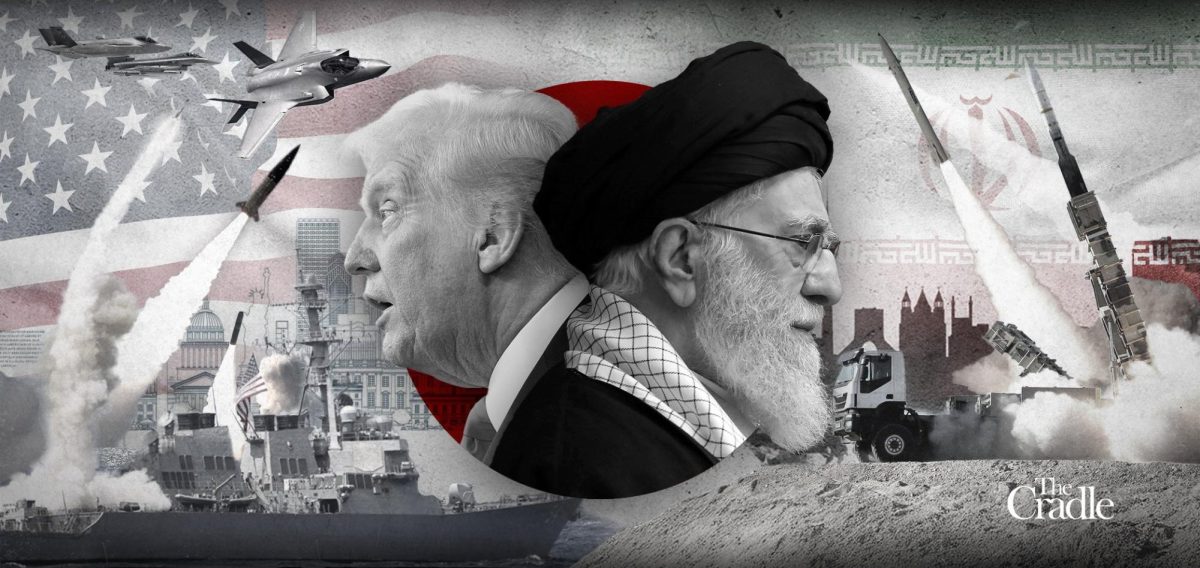
Pressed on his thoughts, US President Donald Trump responded with a warning to Iran, indicating the possibility of US intervention should the deadly crackdown on protests continue or the hanging of protesters commence. Iran returned with warnings of retaliation should the US attempt to initiate another armed conflict.
At the same time, two weeks have passed since Iran began its latest internet shutdown, completely removing its citizens’ access to the internet as part of its crackdown operations.
Context
The protests were not initially anti-government when they began on December 29th of 2025. As reported by AP News that Sunday, Iran’s rial dropped to a record low of 1.42 million to the US dollar, rising slightly to 1.38 million the next day when the protests began; this tremendous fall in spending power, among other grievances like unemployment and worsening living conditions, provoked many traders in the capital of Tehran into closing their shops and businesses in retaliation.
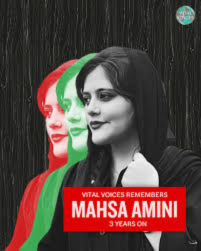
Before this, the last major protest Iran faced was in September of 2022 over the death of Mahsa Amini, a 22-year-old who died in police custody after being arrested on account of not wearing her headscarf properly, as required by law for Iranian women. The protests for her death continued into January of 2023, when Iran International counted around 500 protester deaths from security forces, tens of thousands of arrests, and thousands of injuries, in many of which protesters lost their eyes from pellets being shot into them.
Three years later, the government is facing backlash once more, in the form of anti-government protests in response to the failing economy spreading outward from Tehran into all 31 provinces.
Iran’s Crackdown
In accordance with their past methods of squashing protests, most of the government opted to respond with increasing violence.
A UN Fact-Finding Mission on Iran was commenced to collect evidence of human rights violations – it recorded witness accounts and footage that shows “…security forces firing lethal ammunition into crowds that did not pose an imminent threat to life.”
This information was not as easily obtainable as usual, though; an obstacle to the mission’s evidence gathering was a countrywide internet blackout, which was initiated on January 8th following previous statements to “take tough measures against anyone protesting” from the heads of Iran’s judiciary and security services. The full duration has not been confirmed, nor has it been confirmed whether reconnection will be reestablished.
This is not the first time Iran cut off its people from the internet – the 5-day protests during November of 2019 and the Woman Life, Freedom movement that arose following Mahsa Amini’s death are the larger, more recent ones reported by Amnesty International.
As a result of this ongoing blackout, much less can be done to confirm a death toll or reach a common consensus, though some efforts to gain insight have proven successful. The same UN Fact-Finding mission reported the deaths of thousands, though it’s been assumed to be much higher due to the obscurities caused by the blackout.
In a more recent report from The Japan Times, the confirmed number has exceeded 5,000, though the article also cited some in-country doctors suggesting there are over 20,000; in addition, over 26,000 have been arrested since then. Some of these figures, namely the death toll, have yet to be confirmed by the UN.
Tensions beyond borders
These events eventually provoked a response from President Trump on Truth Social, who encouraged the Iranian people to persist in their demonstrations and stated that “help is on the way”, with no additional clarification as to what that actually means. He also proclaimed to have “…cancelled all meetings with Iranian Officials until the senseless killing of protesters STOPS.”
He also announced that a 25% tariff will be placed on countries “doing business” with Iran for the duration.
Iran’s foreign minister threatened the US and Israel, both nations being its longtime rivals, which in turn elicited peaceful negotiations between the nations. Despite this, the tension from the potential of physical conflict continues to rise, such as with the threat of an attack on a US aircraft carrier in the region.

What happens next, whether it be a peaceful resolution or a broader military confrontation between these powers, remains to be seen. In the meantime, the number of confirmed deaths and arrests will only continue to rise as the demonstrations persist, possibly encouraging more US intervention in the form of another armed conflict.