
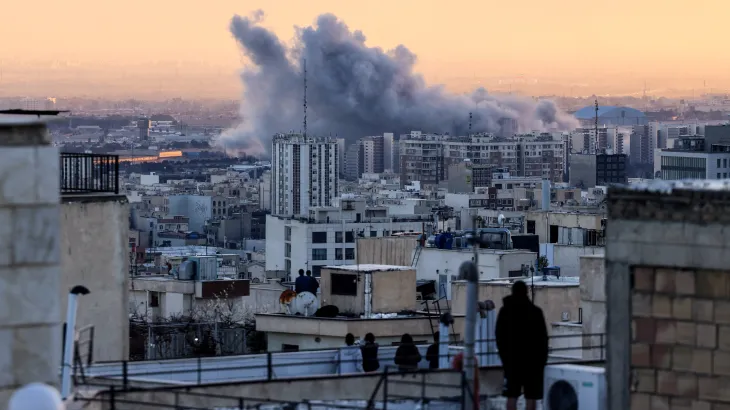
Out here, some folks think faraway fights don’t touch them, yet those battles quietly shape routines in unseen ways. Tensions between the U.S. and Iran ripple through fuel costs, job markets, government choices, and even how safe the world feels, despite the distance. When sparks fly overseas, local neighborhoods feel subtle shifts too. That’s why classrooms and towns need to grasp what these events really mean. These distant conflicts often shape daily routines, choices, and community discussions more than many people realize today. Years passed with sharp friction coloring ties between America and Tehran. That shift began in 1979, during upheaval in Iran that brought a new regime openly hostile to Washington. From that moment onward, disputes piled up, nuclear ambitions, regional military moves, and penalties slapped on Iran by Western powers. Each clash poured fuel on the anger already burning. Threats flew back and forth; force was used now and then. Bitterness deepened steadily across decades.

One effect of the fighting shows up at the pump. Oil flows less freely if violence hits key areas where it’s pulled from the ground. When shipments slow, global supplies shrink. Less oil floating across oceans often means a higher cost per barrel. That jump in cost tends to spread quickly. Delivery fees go up because trucks burn expensive fuel. Groceries, clothes, even mail –
Anything moved by a vehicle starts costing more. People filling tanks feel it first, but the ripple reaches further. What began far away from land sharder on household budgets than expected. World economies felt the ripple effects when conflicts escalated. When war stirs, money systems tend to wobble without warning. Caution takes hold among companies and investors, especially if tensions appear likely to worsen. Trade deals across borders shift, alliances bend, stock values jump or drop – all swayed by nervous financial climates. Trouble brewing far away can nudge U.S. job counts, change how much things cost, shake steady growth here, simply because connections worldwide run deep. One nation might bend under external pressure when disputes arise, simply because of what comes next if nothing changes. Should talks stall between governments, violence often follows instead of compromise. That spark – once lit – sometimes drags nearby powers into the fray without warning.

A single disagreement might draw in neighbors simply because old promises tie them together. Leaders think twice before stepping into fights since one move could light a fuse across continents. Knowing what happens far away helps students see why things shift closer to home. Big choices in distant capitals ripple out, often changing daily life without warning. Even when far apart, the world often connects in quiet ways, like the ripple from tension between the U.S. and Iran. Take Iran – though distant, its situation touches American lives without warning. Events overseas shift ideas about security, reshape choices leaders make, and alter how much fuel costs each week. When students follow stories beyond borders, they begin seeing why distant conflicts matter personally, slowly building what it means to truly know the world around them.
By learning about international events, students become more aware citizens who understand how global actions shape everyday life, economics, safety, and political decisions at home.



 #349"/>)