
It was a major moment for space exploration this past weekend, as NASA successfully launched astronauts to the moon as part of the Artemis program. This mission is the first time humans have traveled to the Moon in over 50 years, since the final Apollo Mission in 1972. The launch has caught the attention of all around the world and signals a new era of space exploration. The Powerful Space Launch System rocket lifted off from Kennedy Space Center in Florida early in the morning. Millions of people watched the event live, both in person and online. As the rocket rose into the sky, it left behind a bright trail of fire and smoke, showing us the strength needed to escape Earth’s gravity. The sound and force of the launch were extremely strong, creating a moment that viewers described as unforgettable.
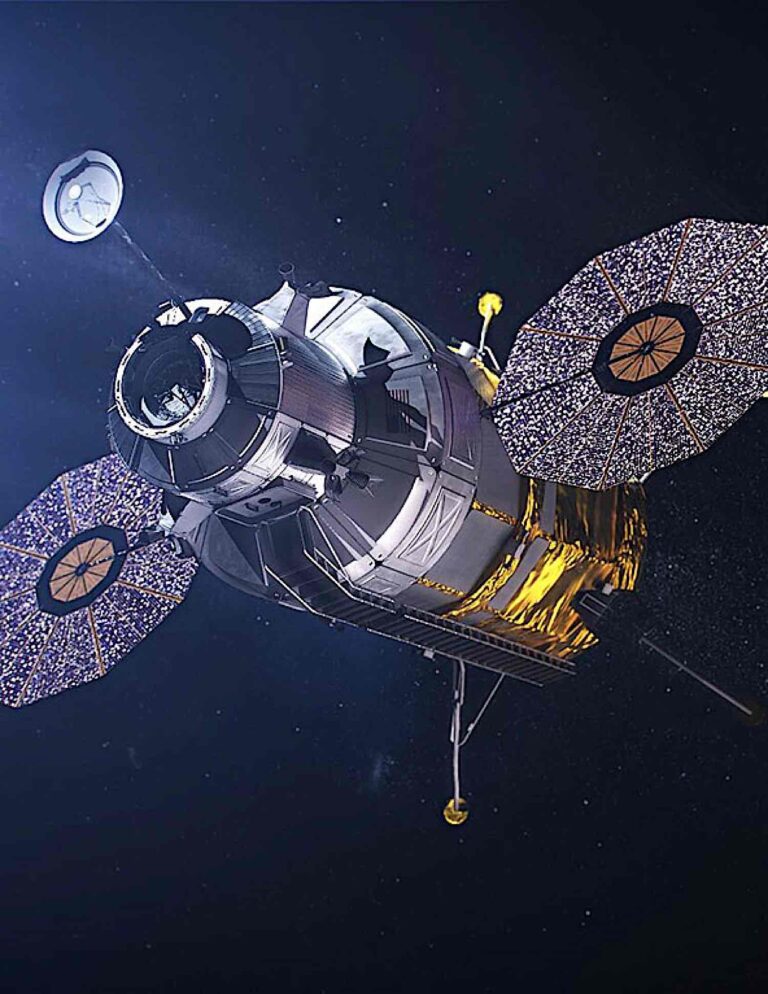
The Artemis mission is designed not only to return humans to the Moon but also to prepare for future missions to Mars. NASA officials say the Moon will be used to test new technology, including spacecraft systems and equipment needed for long space missions. This mission also includes the first woman and the first person of color to travel to the Moon, making it an important step for representation in space exploration. The astronauts will travel aboard the Orion spacecraft, which is designed for deep space missions. The trip to the Moon will take several days. Once they drive, they will orbit the Moon and prepare for a landing. While on the Moon, the crew will conduct experiments and collect samples. These materials may help scientists better understand the Moon’s surface and history. The astronauts will also test equipment that could be used in future missions. One of the main goals of the Artemis program is to support a long-term human presence on the Moon. NASA plans to build a space station in lunar orbit called the Gateway to support future missions. There are also plants to use resources found on the Moon, such as ice, to create water and fuel. This could help reduce the cost of future space travel.
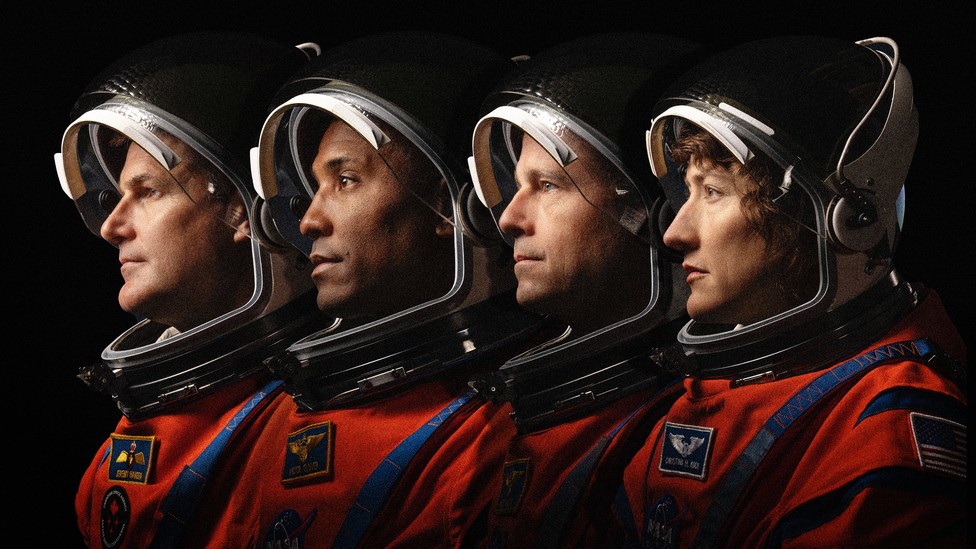 The mission, however, did face a few challenges. Engineers spent years testing the rocket and spacecraft to ensure safety. Some delays were caused by weather, technical issues, and budget concerns. Despite these problems, teams continued working to improve the mission. The successful launch shows the results of long-term planning and cooperation. People around the world reacted positively to the mission. Many shared their thoughts online, and some viewed the launch as an important moment in science and technology. Schools have also used the event to encourage students’
interest in space and STEM-related careers. As the Artemis mission continues, it may inspire a new generation of scientists and engineers. Similar to the Apollo missions, this program could influence future exploration. With new technology and clear goals, NASA and its partners are continuing efforts to explore the Moon and plan for future missions to Mars.