“You can’t really replace that experience of traveling with people your age with an ensemble like this. It’s memorable. Everybody will have fun, and it’ll be a good time.” – Kevin McGee, BOSS director
The inside of the concert hall is cozy, in contrast to the wind chill and brightness of New York City in the morning. The stage is empty of people, but the stage crew has organized scores of seats and a diverse cast of percussion instruments. An audience of one to two hundred sits in anticipation as Santiago’s Symphony Orchestra enters the stage.
First came the majority of the strings – violins, violas, cellos – and then the winds and percussion followed soon after; the result of minor miscommunication, the concert master joined on time and played a tuning note before the string bass section hurried onto the stage, quickly making up for their minor lapse in punctuality by joining in brief tuning as well.
Then Taylor Estep, the third and newest director of the BOSS program, appeared. Following the round of applause, he lifted his bow, and the instruments went off.
“For me, it’s a goosebump feeling and excitement that just like being there,” commented band and orchestra director Kevin McGee. “And you sort of feel like, not ghosts in a bad way, but ghosts of the people that have been there, and these people that are heroes of the music world that performed there. And now you’re on that stage right where those same people performed.”
The bows were quick, the gusts of air concise. The notes danced throughout the concert hall, the acoustics enabling maximum resonance that could be felt in one’s soul. This continued in the songs following, where fellow conductors Kevin McGee and Elizabeth Rorhs each took over for their pieces. Some time afterward, when the Festival Winds took the stage for their set, director Joseph Dudek conducted throughout the performance.
When the final piece resolved, and the audience gave their final round of applause, it concluded a journey the BOSS began some time before – not just since we touched down in New Jersey a few days before, nor since we began practicing after our Winter Concert, but since the orchestra first formed seven years ago, and Santiago’s first band twenty-four years before then.
The history of our school’s instrumental music program is something special.
From its first and only band arrangement to a multi-group powerhouse, the Bands and Orchestras of Santiago Sharks (BOSS) have solidified a reputation of success in Southern California’s high school music scene. It started as a single, small class of twenty-nine students; since then, the population of musicians has grown into the hundreds and is spread across several groups established since.
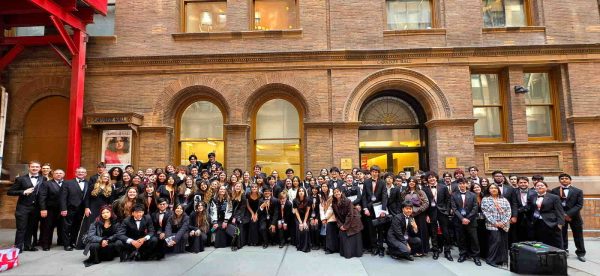
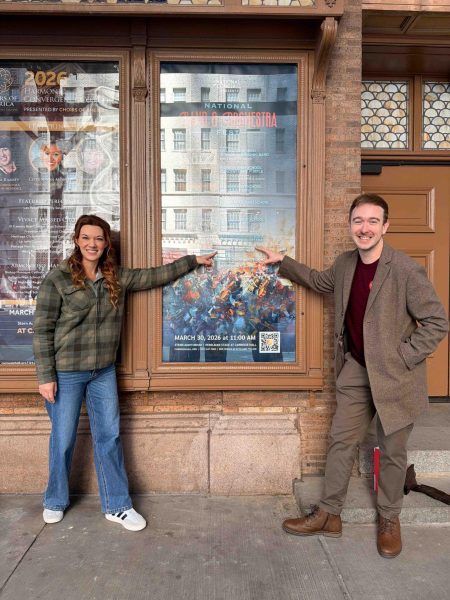
The BOSS, more importantly, has also taken part in many special events and trips, including three Rose Parade performances since 2013 and visits to Washington, D.C., and Hawaii. And as of late March, 2026, its top band and orchestra groups have revisited one of its most renowned destinations in the world of music: Carnegie Hall.
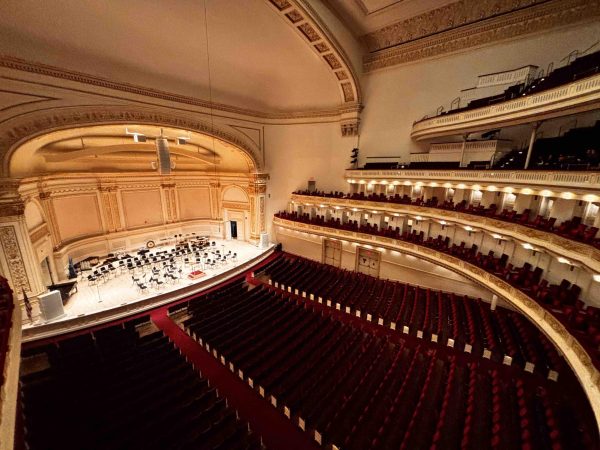
Located in Manhattan, New York, construction for this now-iconic venue was funded by Andrew Carnegie in 1891, after whom the concert hall was named. Since then, it has hosted a great many performances by the likes of Tchaikovsky and the Beatles; our top BOSS groups, the Symphony Orchestra and Festival Winds, had the honor of performing at the venue once again, seven years after their first visit.
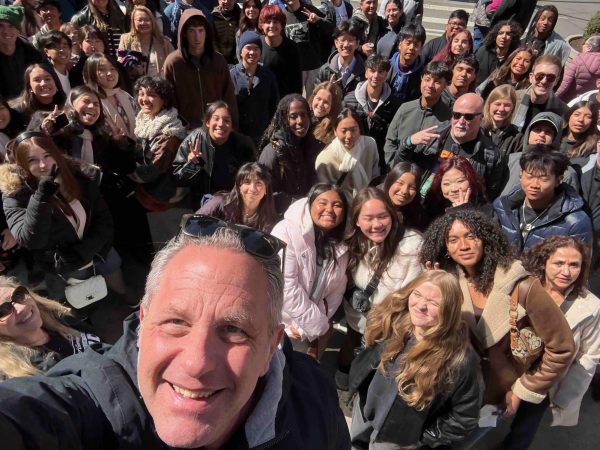
In addition, our group of 109 students, staff, and chaperones took the opportunity to explore a few areas of NYC. For many, this was their first time seeing what this iconic city had to offer – to experience its cultural and musical richness firsthand, as well as make long-lasting memories of the Big Apple’s best sights. Not only did the BOSS visit Carnegie Hall, but throughout the trip, we also visited many more establishments and participated in other activities: sightseeing at the Top of the Rock, traversing the city via subway or ferry, dining at renowned establishments, and much more.
We will now share our experiences with you, organized chronologically and tracked day by day.
Day 1 – Departure and First Steps (Mar. 27)
5:15 AM, PDT
This is the absolute call time for students and chaperones to arrive at Santiago with their luggage, carry-ons, and personal items. Many of these are small- to medium-sized instruments or accessories, as planned by the organizers.
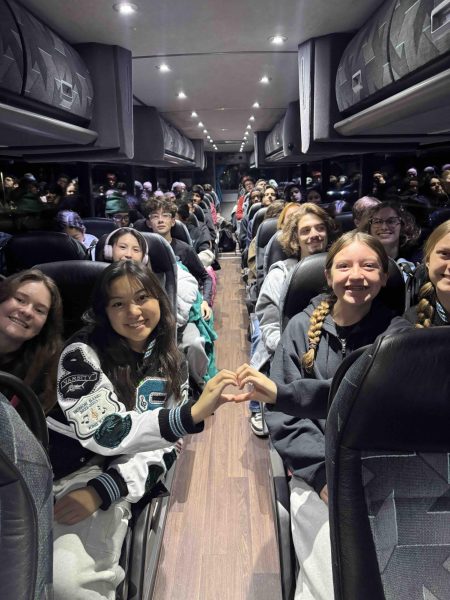
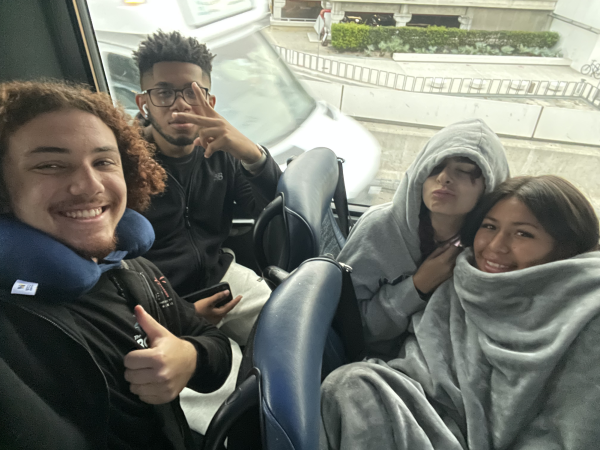
Within the next hour, we will load and board two buses to Los Angeles International Airport (LAX).
7:30 AM, PDT
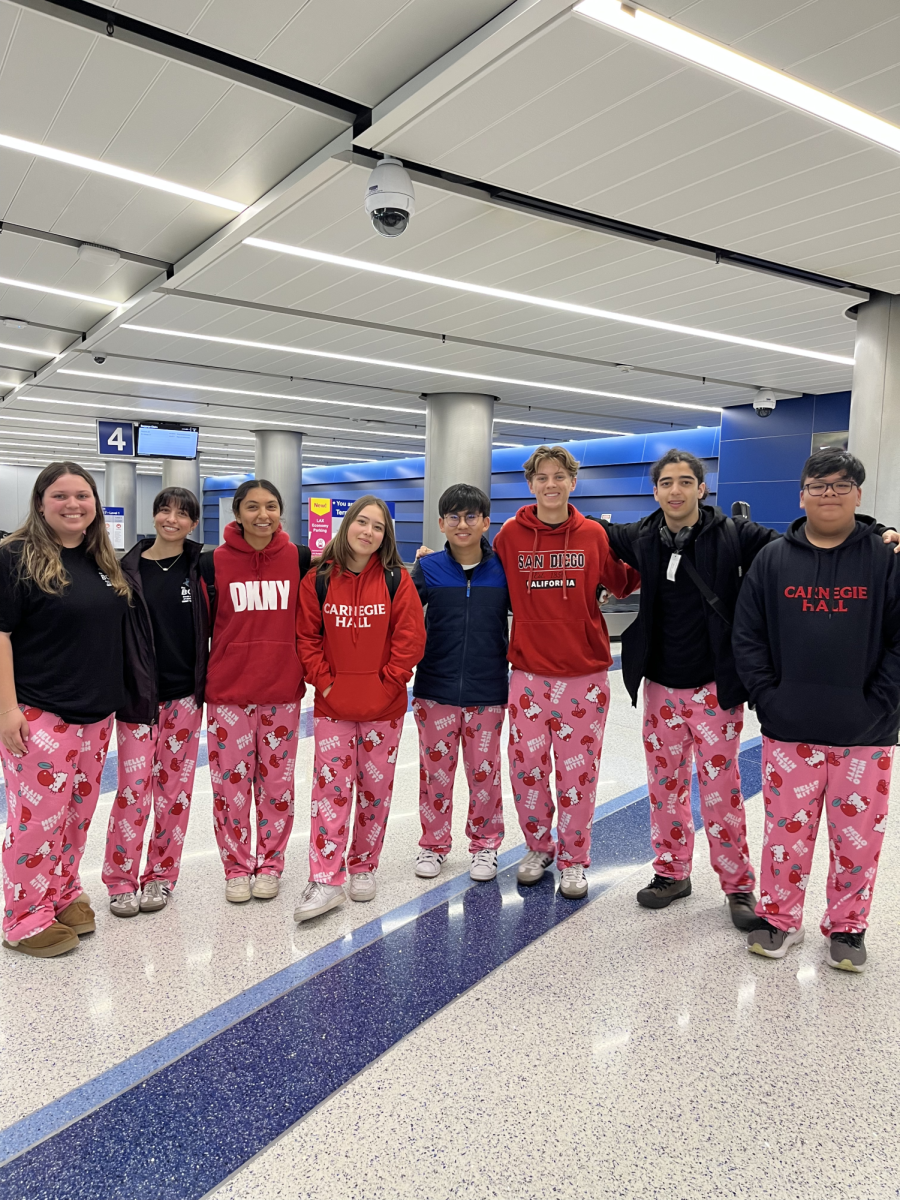
Buses arrive at LAX, Terminal 1. We unload our items, form a line for checked baggage drop-off, and then make our way through security. For the next 2-3 hours, group members are free to explore and get breakfast before departure.
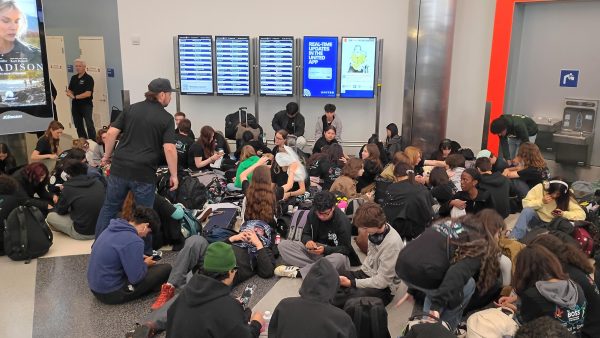
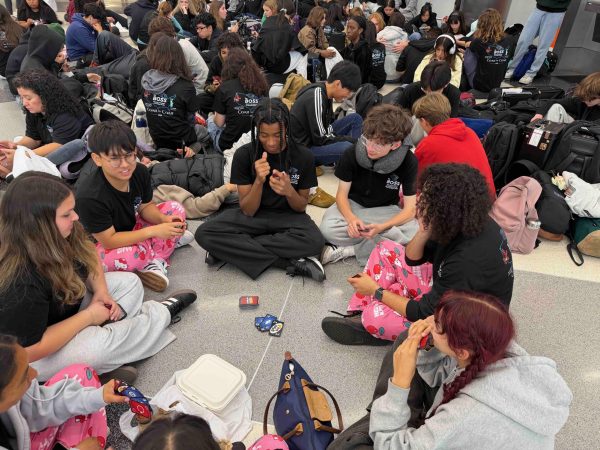
~10:30 AM, PDT
The group boards United Flight 2127 and departs from LAX. The flight to Newark, New Jersey, takes approximately five hours.
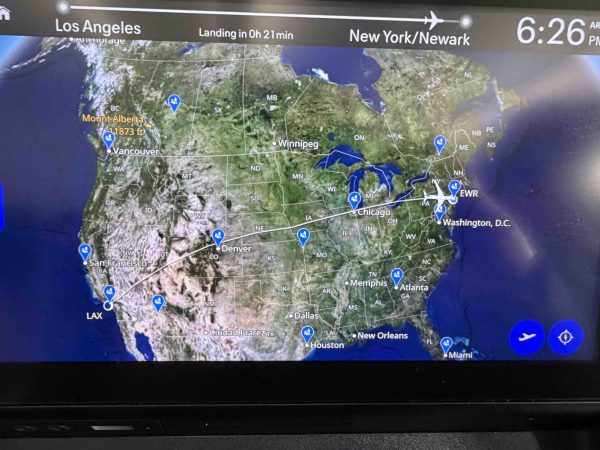
~7:00 PM, ET
United Flight 2127 lands at Newark Liberty International Airport (EWR). Chaperones and their assigned groups of students accumulate to take attendance, and items are retrieved from the baggage claim.
~8:00 PM, ET
The BOSS loads everything onto two 56-pax Academy Bus motor coaches, which will be used throughout the trip from here on out, after which we travel from EWR to New York City.
Within the next hour, we will arrive at the Sheraton in Times Square, drop off most of our things in hotel rooms, and quickly regroup for a walk through Times Square.
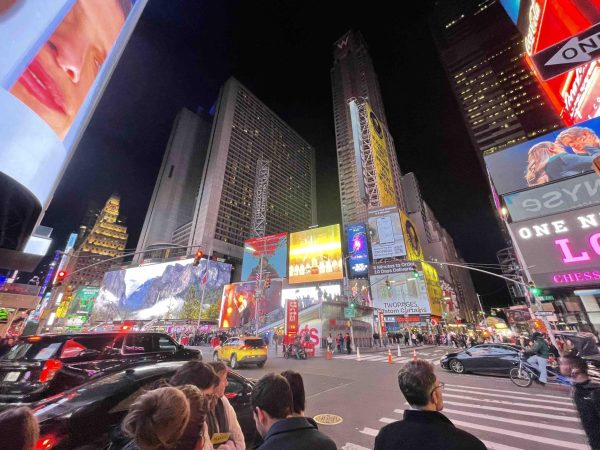
We students and adults take in the wondrous sights: bustling crowds of walkers, every dark spot taken up by an electronic billboard, buildings so unnaturally tall for some of us that they mess with our perception of scale. We continue to take walks through this area for the rest of the trip.
~9:50 PM, ET
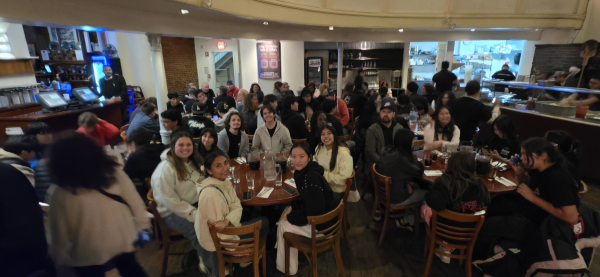
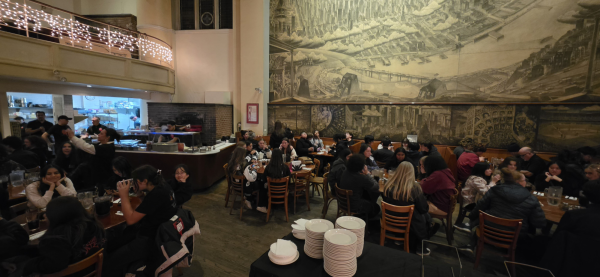
We arrive at John’s of Times Square Pizzeria and enjoy dinner for the next 2 hours. After this, we made our way back to the hotel and shut off the lights for the night.
Day 2 – Free Roam, Broadway, & Dinner Cruise (Mar. 28)
7:30 AM, ET
After waking up and getting ready during the prior few hours, the BOSS splits up into several smaller groups of chaperones and their assigned students. These groups are given the freedom to explore and sightsee until around 12:30 PM, visiting as many areas and landmarks as they wish – albeit at student cost.
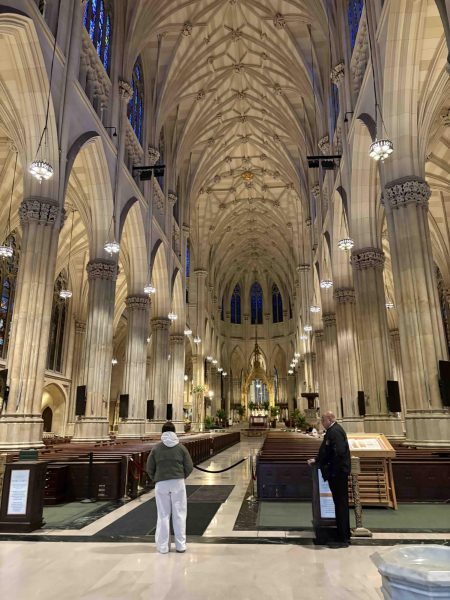
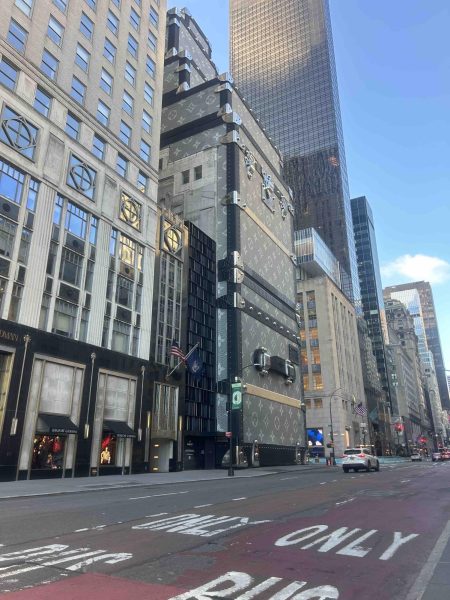
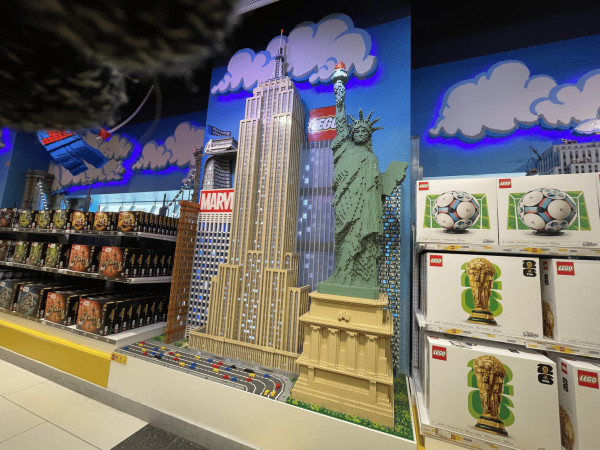
Examples of places we visited include St Patrick’s Cathedral, the Louise Vuitton building on 1 East 57th Street, several small food spots, a Lego store (where a few students made purchases), and even Carnegie Hall itself.
1:00 PM, ET
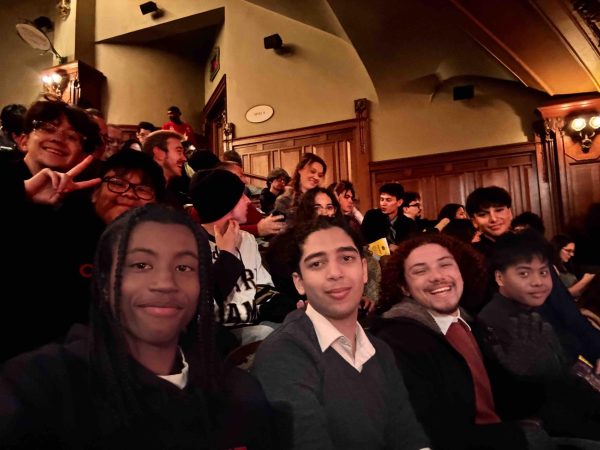
After dressing “business casual” and for comfort against the winter chill, the combined BOSS walks through Times Square once again. We’ve brought with us many, many tickets to see Disney’s Aladdin, performed in the New Amsterdam Theatre.
~2:00 PM, ET
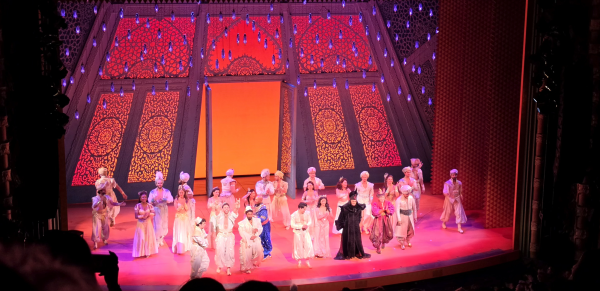
The curtain rose on Aladdin after the attendees had completely settled in the New Amsterdam Theater. The group gets to enjoy the wondrous lights, colors, and sounds of the performance, in addition to the score played by a pit orchestra beneath the stage, positioned so that discoveries from audience members are less frequent.
~7:00 PM, ET
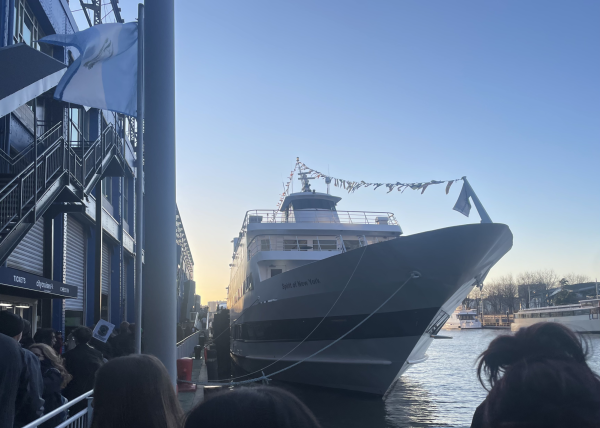
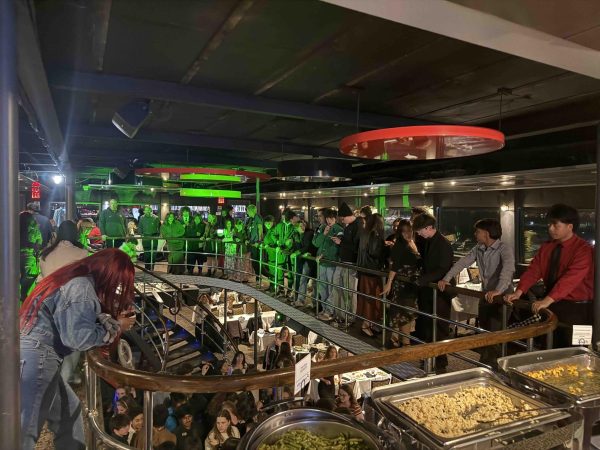
The group traded the busiest streets of New York for a night on a Hudson River dinner cruise. The skyline glowed yellow in contrast to the ever-dimming orange backdrop, and the soft movement of waves contrasted with the hyped party music the ferry’s speakers blasted. Some students danced, others stood quietly on the rail, enjoying the view of the skyline – some of us may have taken this time to let the reality of it all sink in.
Day 3 – Ferry Trips, Memorial, & Clinic (Mar. 29)
~9:15 AM, ET
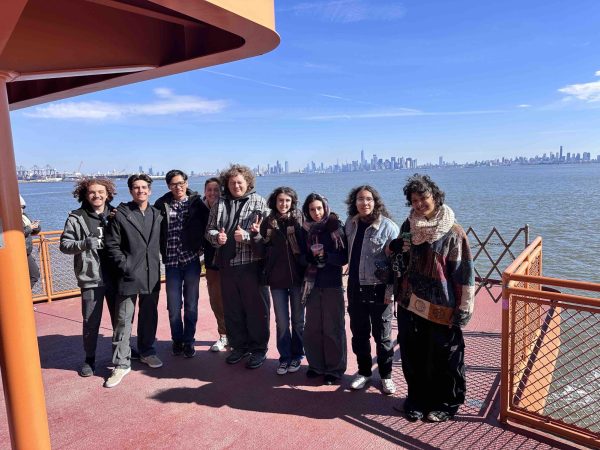
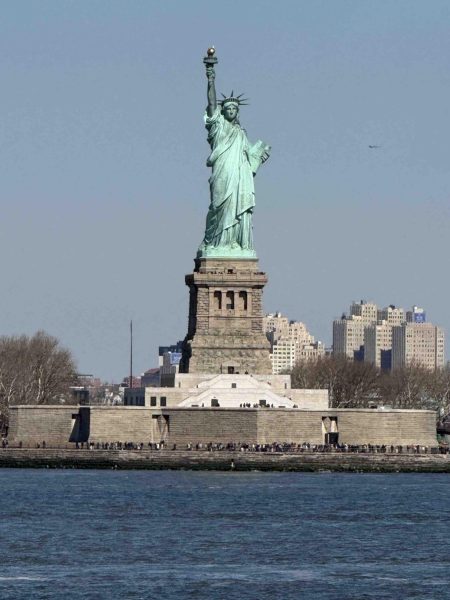
After our first trip on a subway, we boarded the Staten Island ferry, cruising along Atlantic waters and getting our best glimpse yet of the Statue of Liberty. Cameras were equipped, and many photos were taken – but the images do not quite do the sights justice when one isn’t there in person.
~11:30 AM, ET
As we approached the memorial, conversations slowly died down, and the atmosphere shifted from lighthearted chatter to respectful silence.
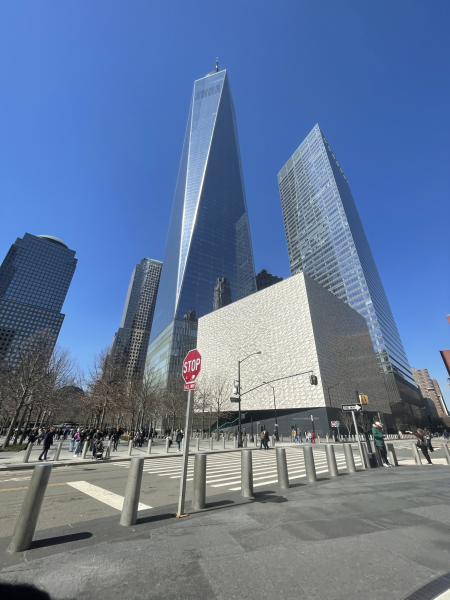
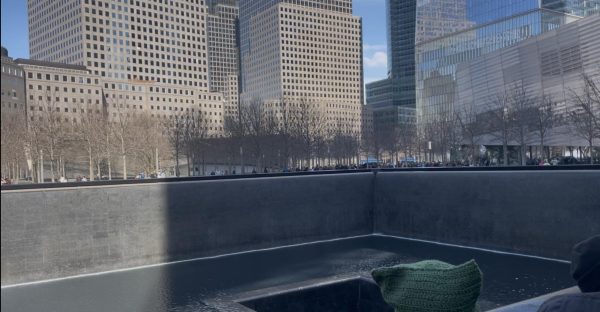
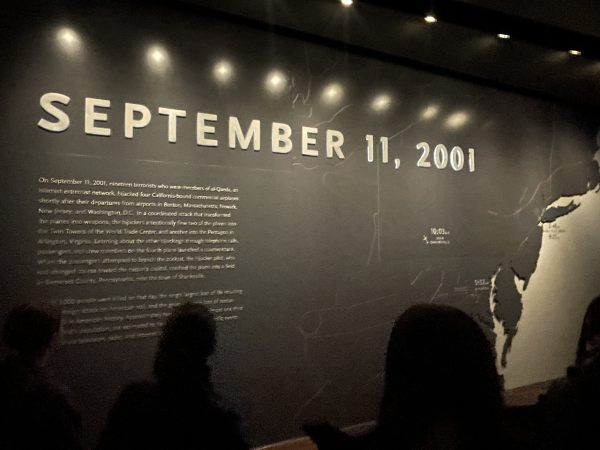
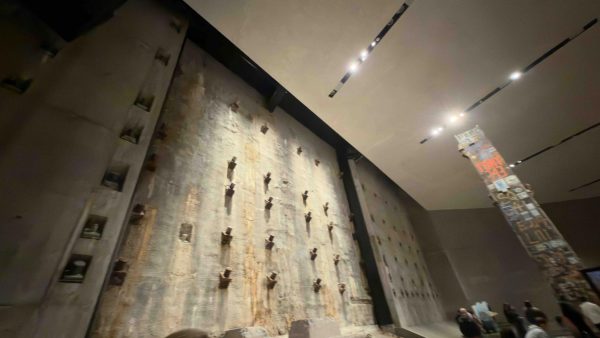
The BOSS observed up close the 9/11 memorial and descended into the underground museum, slowly taking in the history of the attack displayed around them, providing a unique perspective on the damage caused that day. Walking through the memorial was bittersweet, but it demonstrated the importance of remembrance and maintaining awareness of the nation’s history.
~2:00 PM, ET
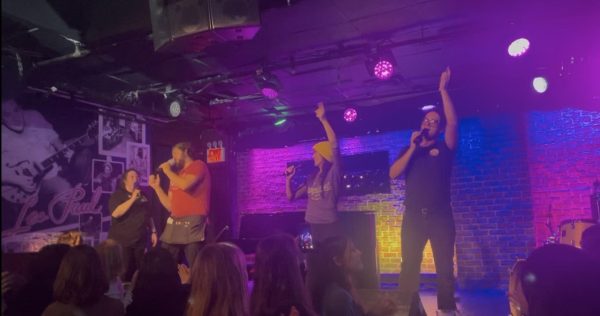
Following this experience, the group collectively took a subway to Ellen’s Stardust Diner on Broadway, where 7 singing waiters performed while we, along with an additional choir group from another school, enjoyed our meals. The establishment’s goal, apart from sustaining a well-received restaurant, is to aid its employees on their journey to advance in Broadway.
4:45/6:15 PM, ET
The Symphony Orchestra and Festival Winds, at separate times, meet on the second floor of Sheraton and participate in clinics; respected clinicians Tanya Chanphanitpornkit and Jason Noble lead the groups in rehearsal and provide their expert opinion on where we can improve.
Utilizing the advice and skills learned from these clinicians, the groups become more prepared than ever for their upcoming performance at Carnegie Hall. The rest of the night is free for groups to roam the surrounding area once more.
Day 4 – Performance, Rockefeller Center, & Hard Rock Cafe (Mar. 30)
12:00 PM, ET
Upon arrival at the historic venue, the Symphony Orchestra makes the final preparations for their performance several floors above the concert hall. The tension had grown to its absolute limit since practice for this performance began many months ago.
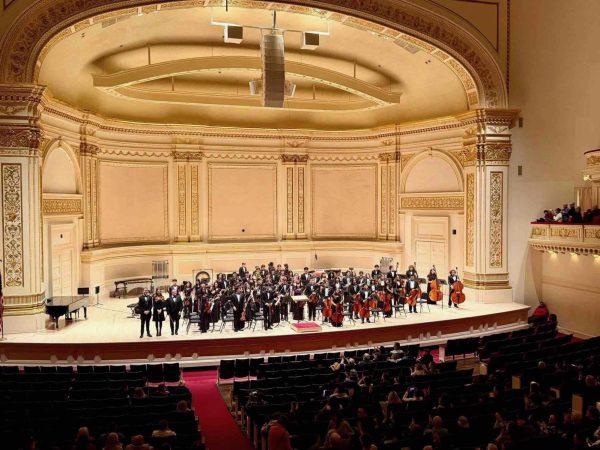
The first piece our Symphony Orchestra performed was Cossack Dance, from Mazeppa by Pyotr Ilyich Tchaikovsky. This piece maintains a high-tempo and lively tone, depicting an act-1 celebration among Cossacks – inhabitants of modern-day Ukraine and Russia – towards the beginning of the 18th century. Bows fly through the air and wind instruments boom, accumulating in a high-energy mass of sound that echoes within the concert hall.
We continued with Brandenburg Sinfonia (abridged) from Cantata No. 174, by Johann Sebastian Bach – a comparatively basic and short Baroque-era piece, with a consistent tempo and lighter style dominated by spaced notes and frequent spiccato, or lifting the bow following each shortened note.
Shifting the tone from lively to languorous, the orchestra alone went on to perform Serenade for Strings in E major, Op. 22: IV. Larghetto di Antonín Dvořák. Unlike the previous two songs, this one was slow and methodical, the shape of its tempo and dynamics (volume) defined by fluidity and a consistent change in pace. Larghetto and its accompanying movements were written during a generally contented period of Dvořák’s life, marked by ever-growing success in the musical world when the composer was young and just starting
The band rejoined for the Symphony’s final piece: An American In Paris Suite by George Gershwin. Unlike how tones like those of Cossack Dance and Largettho were opposite to each other, the tone and shape of this piece were almost opposite to each other: Paris presents a constantly-changing style reminiscent of the early 20th century, from a lively and rushed pace often sustained by the strings to a much more relaxed, jazz-inspired style primarily provided by winds. It also features taxi horns in the already varied percussion section, contributing to the overall depiction of the busy streets of Paris during this period.
Following the performance of the Symphony and additional groups that followed, the combined Festival Winds now had the spotlight.
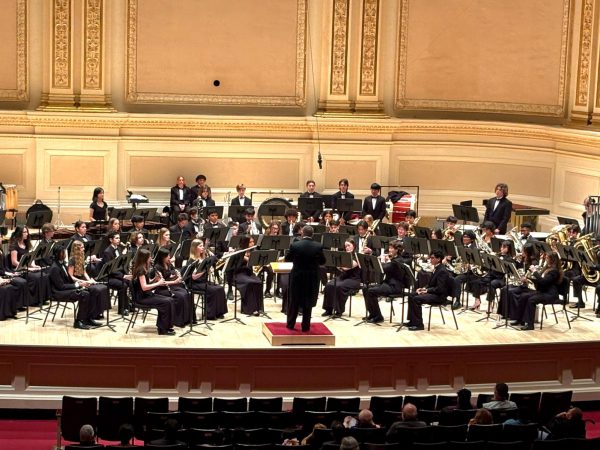
The first song we performed, Illumination by David Maslanka, is an energetic and cheerful overture representative of one experiencing an inner awakening. This piece represents light overcoming darkness, showcased in its rhythmic motor and energetic pace, heavy and concise booms from the brass, and the woodwinds’ exhilarating runs and rhythms throughout the stages.
La Fiesta Mexicana by H. Owen Reed, our second and final piece, tells the story of a Mexican religious festival through three movements: Prelude and Aztec Dance, Mass, and Carnival.
Prelude and Aztec Dance opens with the blare of chimes and French horns, evoking church bells and fireworks before leading into a frantic dance by masked Aztec dancers. The style of Mass develops a more somber color, musically illustrating the deep religious roots of the Catholic church within the fiesta. Carnival is a bold, exhilarating conclusion featuring elements of the town band and cantina (mariachi); it recreates the rushed feeling associated with bustling markets and the festival. This piece illustrates the passionate, chaotic, and sacred atmosphere of Mexican culture, recounting the people’s celebration, inappropriately built on their background and existing style.
With this final performance for Santiago, the collective BOSS stayed for the remaining performances of the other visiting schools.
4:40 PM, ET
The BOSS returned to the Sheraton, with students and the directors changing out of concert attire and into more comfortable clothing for a walk to the Rockefeller Center. Among other groups and visitors, we made our way to the Top of the Rock, capturing the best view of the city we could get on this trip.
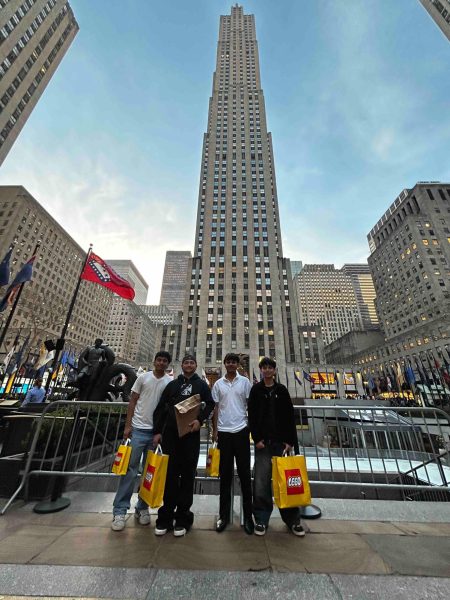
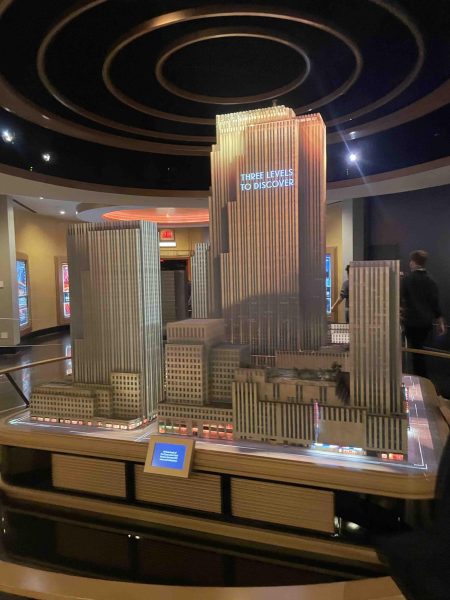
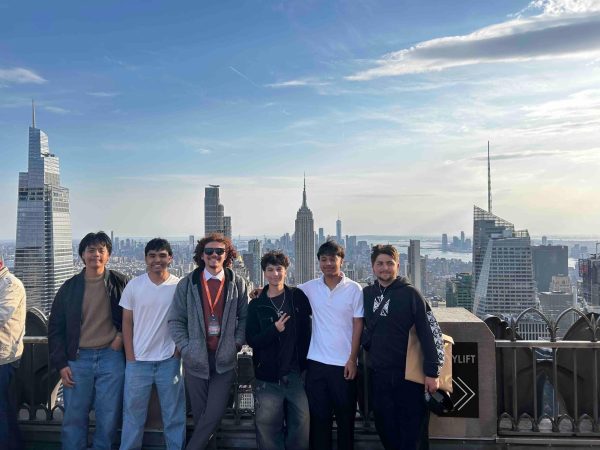
Once we exited, chaperones watched over their tight-knit groups for the next few hours while we explored on our own for the last time on this trip.
9:00 PM, ET
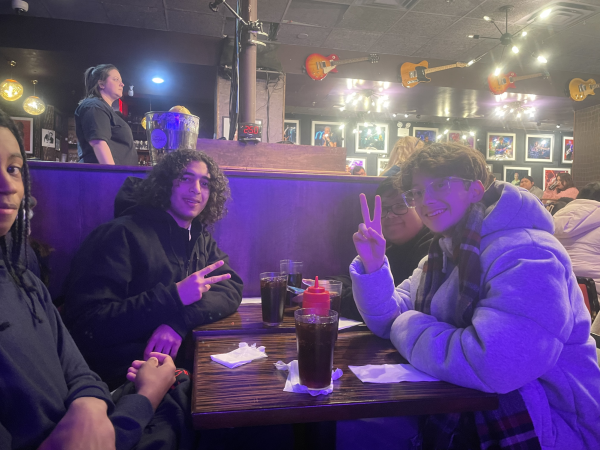
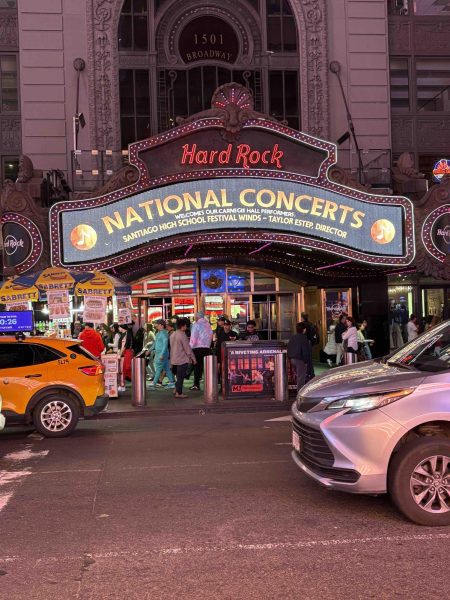
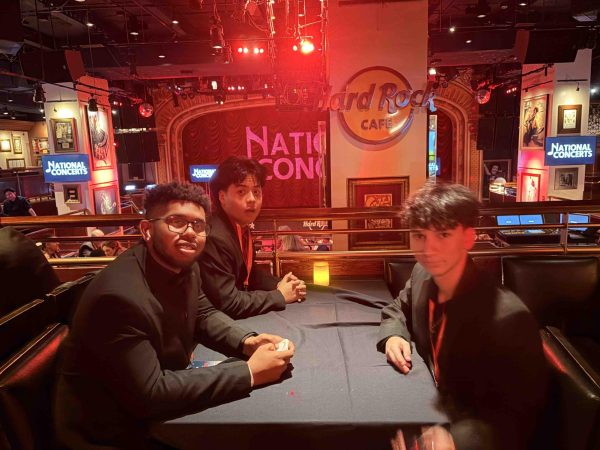
The final activity we would attend, the BOSS walked through Times Square to the Post-Concert Celebration Reception at Hard Rock Café. Attendees danced and partied with several other schools until midnight, after which we returned to the Sheraton and began packing for the trip home.
Day 5 – Final Departure (Mar. 31)
5:15 AM, ET
Every individual was packed and fitted for the cold. Bedroom pass keys were discarded, and attendance was taken before we boarded the buses, leaving the Sheraton and NYC behind. By the next hour, we had arrived at EWR; the hour or two after that, we checked our luggage and made it through security.
~10:00 AM, ET
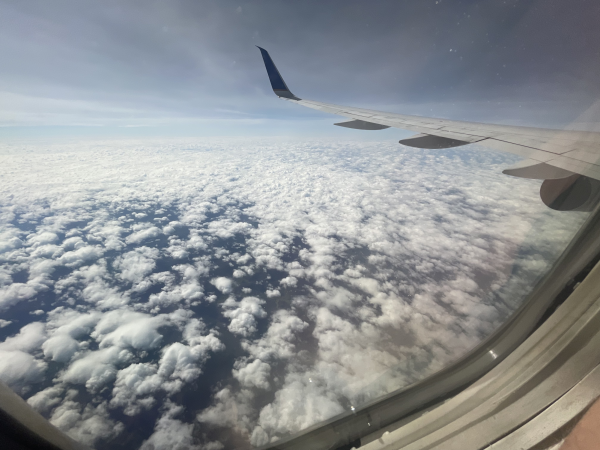
After the BOSS boards, United Flight #2679 departs from EWR for LAX. The flight takes four hours, accounting for the three-hour time difference between the two states.
~1:10 PM, PDT
We finally landed at LAX. Luggage is collected, buses are boarded, and everybody is sleep deprived – despite this, we’re satisfied and fulfilled with the experience.
~4:00 PM, PDT
The buses arrive at Santiago High School, where some of our parents are waiting for us. Attendance is taken one final time, and instruments are dropped off – everybody is then free to head home and rest.
Why this trip matters
Since its establishment in 1995, the BOSS has continued to grow in size and prominence among high schools in the SoCal region. The program is among several notable schools, including the likes of Diamond Bar and Arcadia, that consistently achieve higher-than-average scores in yearly band reviews – one of the best examples of this is a record-breaking score in 2024 that secured the Overall Sweepstakes Champion title and subsequent trophy representing this victory.
When Santiago was first established in 1995, the entirety of its music program was in a single, 29-student band based in what is now Citrus Hills Intermediate School. Since then, it has grown into a more massive program that, among other things, has attended the Rose Parade three separate times in 2013, 2018, and 2024.
The BOSS’s journey is one driven primarily by the dedication of its students, faculty, and community over so many years. Despite facing challenges such as a lack of dedicated classrooms or rehearsal rooms, as well as insufficient storage and instruments, the program has grown rapidly, with strong marching bands, concert bands, orchestras, color guard, and drum lines.
“We really took a leap forward when we won the LA County Fair and were invited to the Rose Parade,” explained band director Joe Dudek. “And then all of a sudden, it just exploded.”
The program blossomed after winning the LA County fair and performing in the Rose Parade time and time again, earning a strong reputation for the BOSS in SoCal. This trip to Carnegie Hall and NYC as a whole marks one of the most important milestones for the program – especially for our rather young orchestra program – as it may open many more, potentially larger opportunities for the B.O.S.S. as a whole.
As for now, your fellow Sharks may just be happy to be home and recovering from their time away from home. Ultimately, this trip was the culmination of many years of buildup, primarily contributed to by many hundreds of passing young musicians and adults who have worked for far longer. In addition, it foretells a new era of growth for the school’s budding collection of orchestra programs, paving the way for many more great performances for Santiago’s future musicians.
Featured below are additional images depicting the BOSS’s trip-goers: